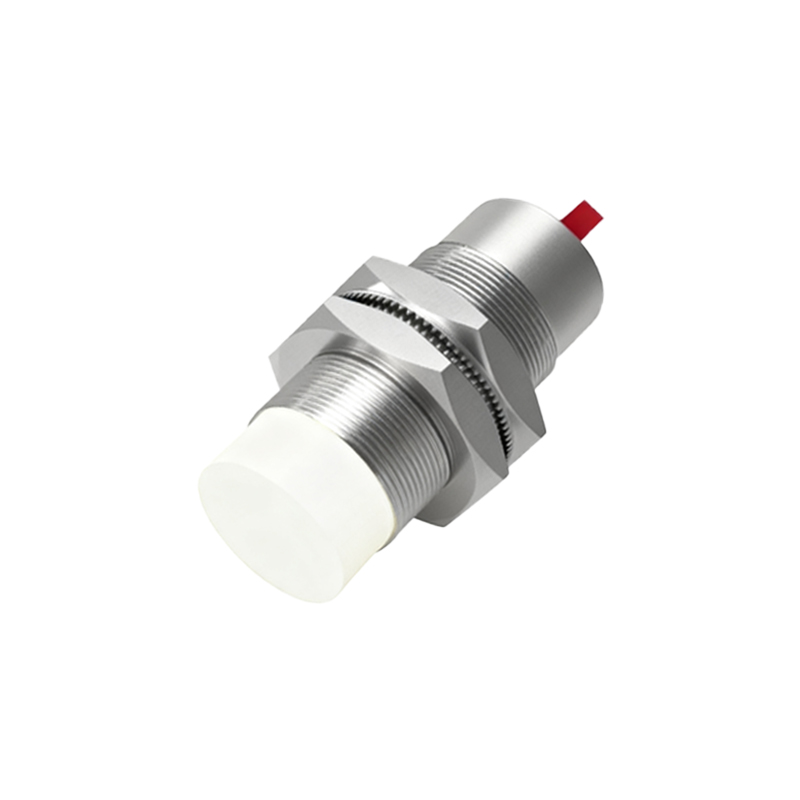
Proximity switch sensor connectors are critical components in modern industrial automation and control systems. These specialized connectors serve as the vital interface between proximity sensors—which detect the presence or absence of objects without physical contact—and the broader control circuitry, such as PLCs (Programmable Logic Controllers) or relay modules. Their primary function is to ensure reliable signal transmission, power delivery, and mechanical stability in often harsh industrial environments characterized by vibration, moisture, dust, and electromagnetic interference.
The design and selection of proximity sensor connectors are governed by several key electrical and mechanical parameters. Electrically, engineers must consider the voltage rating (commonly 12-24V DC or 110-240V AC), current-carrying capacity, and the number of pins or contacts required—typically ranging from 3-pin (for basic DC sensors with PNP/NPN output) to 4-pin or 5-pin configurations for more complex sensors with dual outputs or diagnostic functions. Mechanically, the connector's housing material is paramount; industrial-grade thermoplastics like PBT (Polybutylene Terephthalate) or PA (Polyamide) offer excellent resistance to chemicals, oils, and impact. The ingress protection (IP) rating, such as IP67 or IP69K, indicates the level of protection against solid particles and liquids, which is crucial for washdown areas in food processing or outdoor applications. The mating mechanism, whether it's a screw-lock, bayonet, or push-pull quick-disconnect style, directly impacts installation speed, security against vibration, and maintenance accessibility.
A significant trend in the industry is the move towards standardized, modular connector systems. Manufacturers like M12, M8, and M5 circular connectors have become de facto standards, particularly for sensors. The M12 connector, with its 4-pin or 5-pin coding (A-coded for sensors/actuators, B-coded for fieldbus, etc.), dominates in factory automation due to its robustness and compact size. The choice of cable outlet direction—straight, right-angled, or with a swivel function—is also a critical installation consideration to optimize space and prevent cable strain. Furthermore, the rise of IO-Link technology, a point-to-point serial communication protocol, is influencing connector design. IO-Link compatible sensors often use standard M12 connectors but utilize the additional pins to enable bidirectional digital communication, allowing for parameter setting, advanced diagnostics, and process data exchange beyond simple on/off signals. This transforms the connector from a mere passive component into an active node in the Industrial Internet of Things (IIoT) ecosystem.
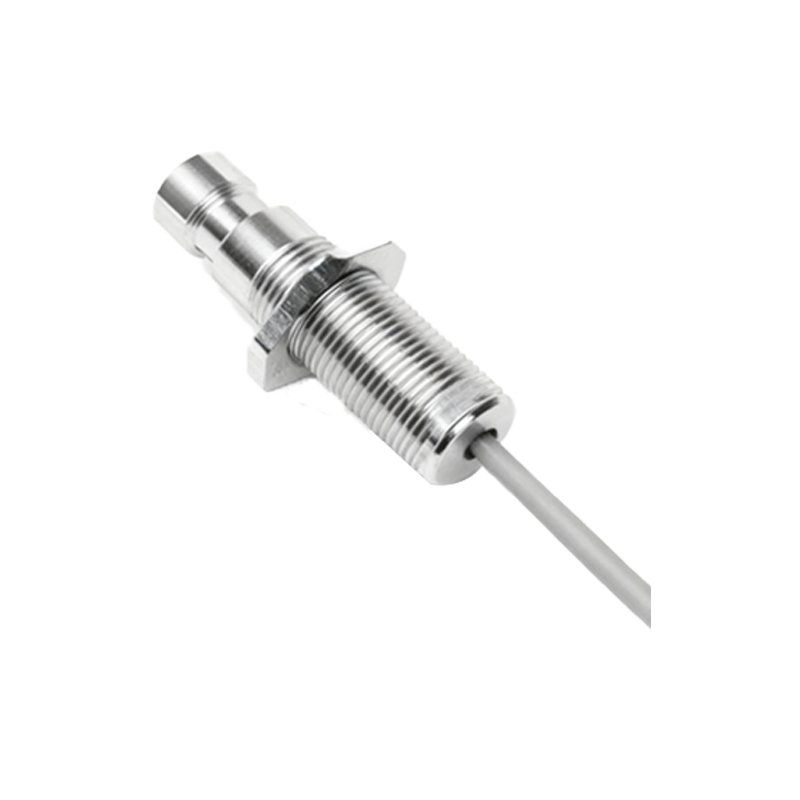
For electrical engineers, specifying the correct connector involves a systematic approach. First, match the connector type to the sensor's physical interface and electrical specifications outlined in its datasheet. Second, assess the environmental conditions: for high-vibration zones, a screw-lock or double-locking mechanism is essential; for corrosive atmospheres, stainless steel or specially coated brass variants are preferred. Third, consider the cable requirements, including the conductor gauge, shielding for noise immunity, and jacket material (e.g., PUR for oil resistance or PVC for general use). Finally, factor in lifecycle costs. While pre-molded connector-cable assemblies offer superior reliability and faster installation, field-attachable connectors provide flexibility for custom cable lengths and repairs on-site.
Common pitfalls in application include mismatching the connector coding (using a sensor-coded plug on a power supply port), neglecting proper strain relief, which leads to wire breakage, and overlooking the need for shielded connectors in electrically noisy environments, resulting in signal integrity issues. Regular maintenance checks should include inspecting for cracked housings, corroded pins, and ensuring the locking mechanism is fully engaged.
In conclusion, the proximity switch sensor connector is far more than a simple coupler. It is a precision-engineered component that ensures system integrity, safety, and uptime. As industrial networks become smarter and more interconnected, the role of the connector evolves in tandem. By understanding the technical nuances—from material science and electrical contacts to communication protocols and installation ergonomics—electrical engineers can make informed selections that enhance the performance, reliability, and longevity of their automation systems. The ongoing miniaturization, increased data capabilities, and enhanced ruggedness of these connectors will continue to be pivotal in enabling the next generation of advanced manufacturing and process control.