Proximity sensors are vital components in modern industrial automation, providing non-contact detection of metallic and non-metallic objects. Proper installation is crucial for ensuring reliable operation, accuracy, and longevity. This article outlines key installation methods, considerations, and best practices for engineers and technicians.
First, understanding the sensor type is essential. Inductive proximity sensors detect metallic objects, while capacitive sensors can detect both metallic and non-metallic materials. Photoelectric sensors use light beams for detection. Each type has specific installation requirements based on its sensing principle.
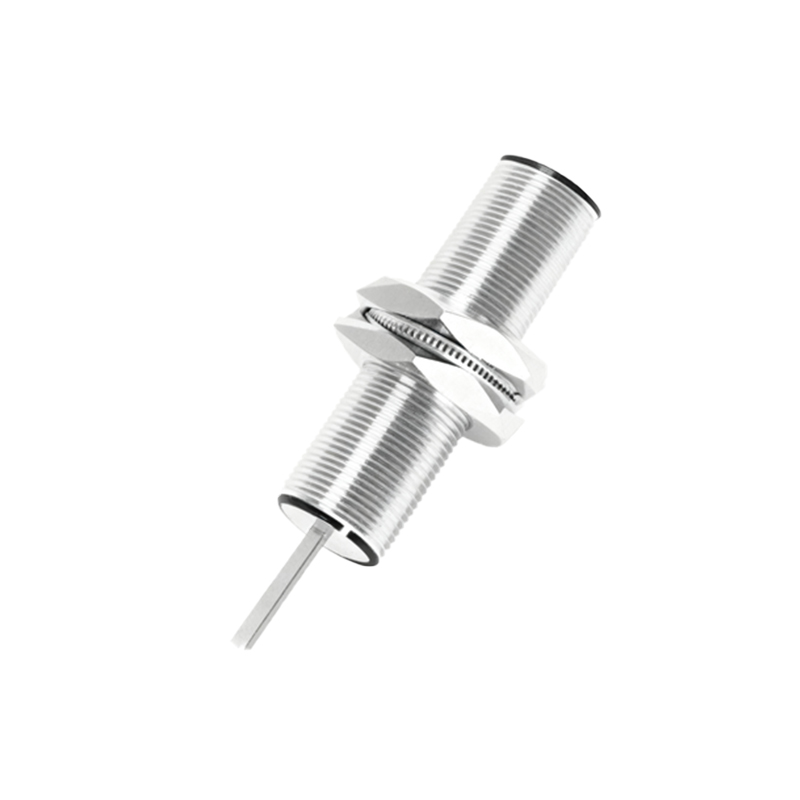
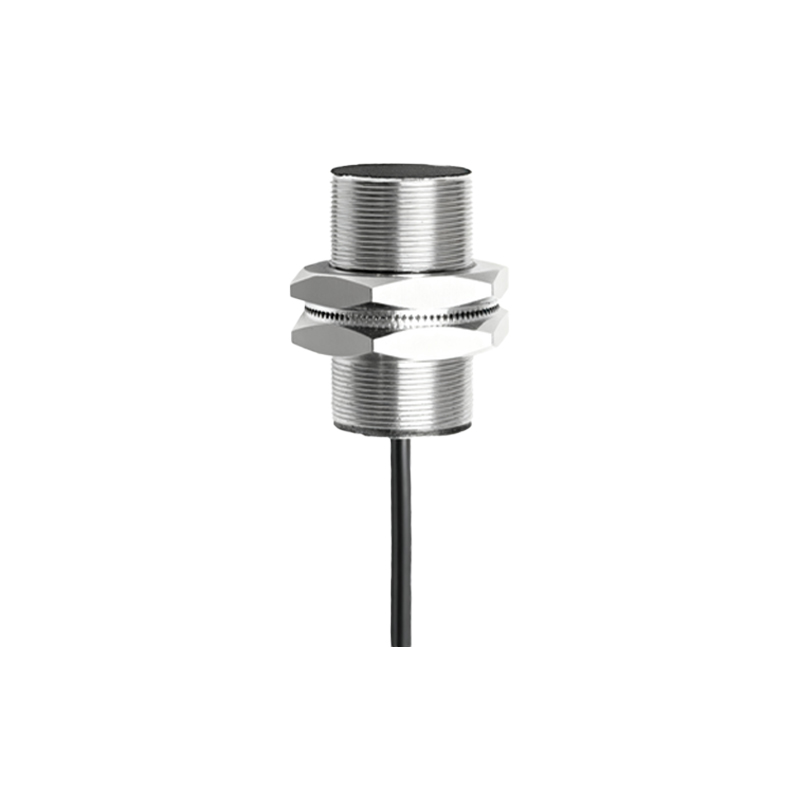
Mounting the sensor correctly is the foundation of proper installation. For flush-mountable sensors, they can be installed embedded in metal without affecting the sensing range. Non-flush sensors require a clearance zone around the sensing face to avoid interference from surrounding metal. Always refer to the manufacturer's specifications for required mounting distances.
Alignment and positioning significantly impact performance. The sensor should be positioned so the target approaches the sensing face perpendicularly. Angular approaches can reduce the effective sensing distance. For cylindrical sensors, ensure the target moves across the diameter rather than the length for optimal detection.

Environmental factors must be considered during installation. Avoid mounting sensors near sources of strong electromagnetic interference, such as motors, transformers, or welding equipment. High-temperature environments may require heat shields or specialized high-temperature sensors. In dusty or wet conditions, select sensors with appropriate IP ratings and consider protective housings.
Wiring practices are equally important. Use shielded cables in electrically noisy environments and ground the shield properly at the control panel end. Maintain proper separation between sensor cables and power lines to prevent interference. Follow torque specifications when tightening electrical connections to ensure reliable contact without damaging terminals.
Testing and adjustment complete the installation process. After mounting, verify the sensing distance with the actual target material and size. Adjust the sensor position if the detection is inconsistent. Many sensors feature LED indicators that show output status, helping diagnose alignment issues during commissioning.
Regular maintenance ensures continued reliability. Periodically clean the sensing face to remove dust, oil, or debris that could affect performance. Check mounting hardware for loosening due to vibration. Document installation details, including sensor model, location, and calibration data, for future reference.
By following these installation guidelines, engineers can maximize sensor performance, reduce false triggers, and extend equipment life in industrial automation systems.