In today's fast-paced industrial landscape, the demand for precise, reliable, and readily available measurement solutions is paramount. Laser distance sensors have emerged as a cornerstone technology across diverse sectors, from advanced robotics and automated warehousing to construction, agriculture, and manufacturing process control. This article provides a comprehensive overview of the current market status for laser distance sensor stock, examining key factors that influence availability, popular models, and strategic considerations for procurement.
The core technology behind laser distance sensors, often based on time-of-flight (ToF) or phase-shift measurement principles, offers non-contact, high-accuracy ranging capabilities. This makes them indispensable for tasks like object detection, positioning, level monitoring, and dimension checking. The surge in automation and Industry 4.0 initiatives has significantly accelerated their adoption, consequently impacting global stock levels and supply chain dynamics.
Currently, the market for laser distance sensors presents a mixed picture of availability. Standard-range, general-purpose models from leading manufacturers are typically maintained in robust stock by major industrial distributors and the manufacturers' own channels. These sensors, with ranges up to several hundred meters and standard interfaces like analog voltage, 4-20mA, RS-232, or Ethernet, are often available for immediate shipment or with very short lead times. This is particularly true for devices with fixed cable connections and standard housing types (e.g., cylindrical M18 or M30).
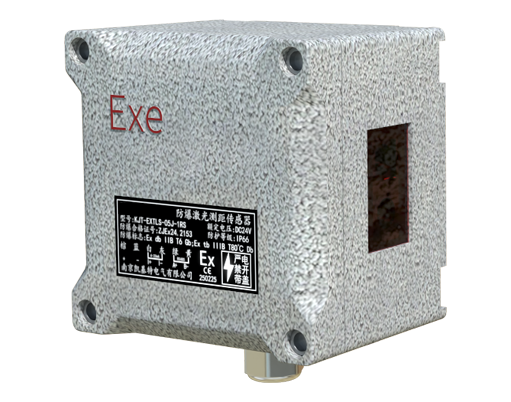
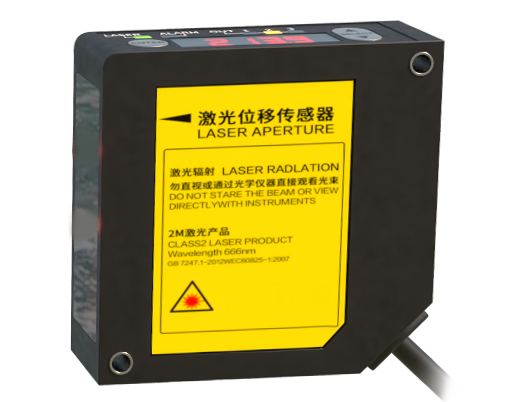
However, specific high-performance variants or sensors with specialized requirements may face longer lead times. This includes models with extended ranges (exceeding 1000 meters), exceptionally high accuracy and resolution (sub-millimeter), enhanced safety classifications (e.g., Class 1 or Class 2 for eye safety), or ruggedized designs for extreme temperatures, high-pressure washdown, or hazardous areas. Customized configurations, such as specific connector types, modified firmware, or unique mounting brackets, also shift the procurement from standard stock to a build-to-order model, extending delivery schedules.
Several critical factors directly influence laser distance sensor stock availability. First, the global semiconductor and electronic component shortage, while easing in some areas, continues to intermittently affect sensor production cycles. Second, logistical challenges and regional geopolitical factors can disrupt the smooth flow of finished goods from manufacturing hubs to global markets. Third, seasonal demand spikes in certain industries, like construction during favorable weather periods, can temporarily deplete distributor inventories of popular models.
For engineers and procurement specialists, a proactive strategy is essential. Establishing relationships with authorized distributors who provide real-time inventory visibility is crucial. Many distributors offer online stock-check tools and notification services for out-of-stock items. Furthermore, considering alternative but technically equivalent models from the same manufacturer or evaluating reputable second-source suppliers can mitigate availability risks. It is also advisable to plan projects with potential lead times in mind, especially when specifications demand non-standard sensor features.
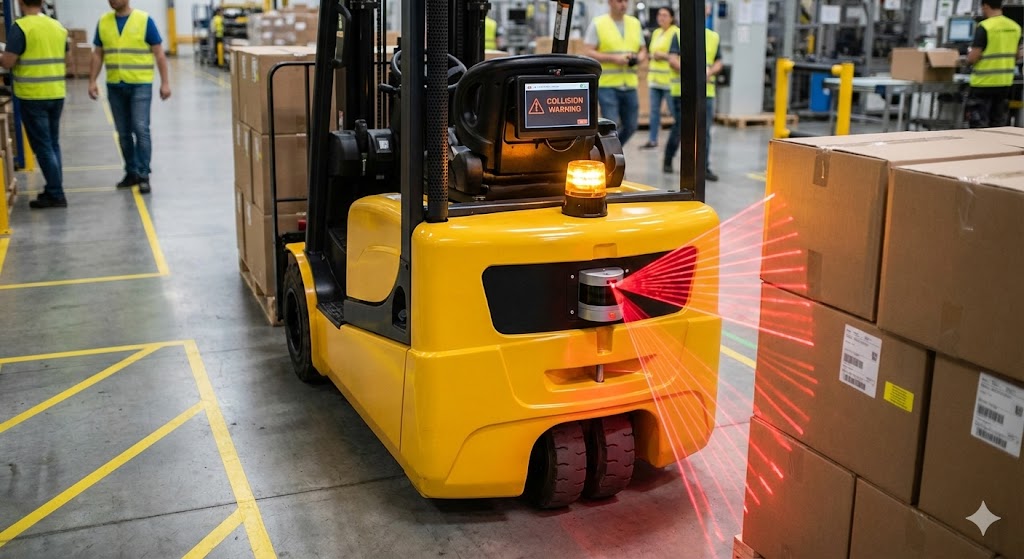
Looking at popular product segments, compact laser distance sensors for mobile robotics and AGVs (Automated Guided Vehicles) are in high demand, with stock often turning over rapidly. Similarly, sensors designed for construction applications (e.g., laser rangefinders for surveying and grading) see consistent offtake. The trend towards integrated solutions, such as sensors with onboard IO-Link capability for simplified wiring and advanced diagnostics, is also growing, and stock levels for these smarter devices are generally healthy as manufacturers prioritize these modern communication protocols.
In conclusion, while the baseline availability of standard laser distance sensors is good, the market requires informed navigation. Success hinges on understanding the distinction between standard and specialized products, monitoring supply chain indicators, and building flexible procurement plans. By leveraging distributor networks and maintaining awareness of manufacturing trends, industrial operations can secure the necessary measurement technology without compromising project timelines, ensuring continuous efficiency and precision in their automated processes.