Magnetic proximity switches, often referred to as reed switches or magnetic sensors, are fundamental components in industrial automation and control systems. Their operation relies on the interaction between a permanent magnet and a magnetically sensitive switch element, typically a reed contact. This article delves into the underlying principles, construction, and typical applications of these robust and reliable sensors.
At the heart of a magnetic proximity switch is the reed contact. This contact is hermetically sealed within a glass tube filled with an inert gas, such as nitrogen, to prevent oxidation and arcing. The reed contact itself consists of two thin, ferromagnetic metal reeds (usually made of a nickel-iron alloy) that overlap at their ends but are separated by a small gap. These reeds are plated with a precious metal like rhodium or ruthenium to ensure excellent electrical conductivity and long contact life. When an external magnetic field of sufficient strength is applied—typically from a permanent magnet mounted on a moving target or actuator—the ferromagnetic reeds become magnetized. This magnetization causes the reels to attract each other, flex, and make physical contact, thereby closing the electrical circuit. When the magnetic field is removed, the inherent spring force of the reeds causes them to separate, breaking the circuit. This simple "make or break" action forms the basis of the switching function.
The key operational principle is non-contact sensing. The switch itself remains stationary, while the magnet moves into its detection range. The sensing distance, or operating point, is defined as the maximum distance at which the switch reliably activates in the presence of the specified magnet. This distance depends on several factors: the strength and size of the magnet, the sensitivity of the reed switch, and environmental conditions like temperature. Importantly, magnetic switches are not affected by non-ferrous materials like aluminum, plastic, or wood that may be present in the sensing path, making them highly selective. They are also immune to dust, dirt, oil, and moisture ingress due to the sealed glass envelope, which contributes to their exceptional reliability in harsh industrial environments.
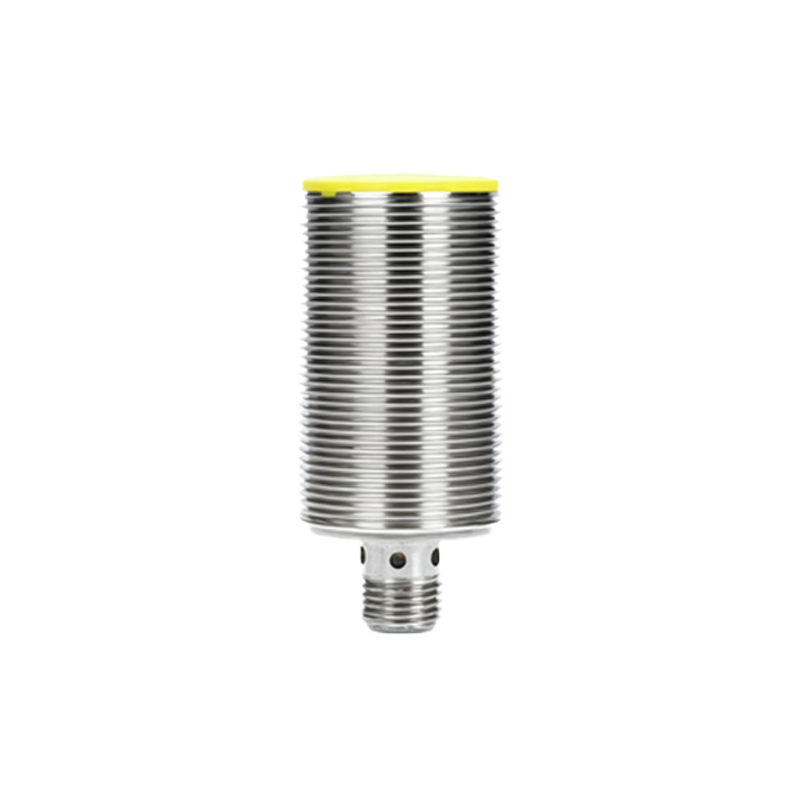
There are two primary configurations: normally open (NO) and normally closed (NC) contacts. A normally open reed switch remains open (circuit broken) without a magnetic field and closes (circuit completed) when a magnet is present. A normally closed switch operates in the opposite manner. Some advanced units incorporate both NO and NC contacts in a single package, known as changeover or Form C contacts, offering greater flexibility in circuit design.
The applications for magnetic proximity switches are vast and varied across industries. They are extensively used for position detection, such as determining whether a door, valve, or cylinder is open or closed. In hydraulic and pneumatic cylinders, they serve as end-position sensors to confirm piston rod extension or retraction. They are also common in safety interlocks on machine guards, where the separation of the magnet from the switch indicates an open guard door, triggering a machine shutdown. Other uses include liquid level sensing in tanks using float-mounted magnets, speed detection on rotating shafts, and as non-contact limit switches in material handling equipment.
Compared to other proximity sensor types like inductive, capacitive, or photoelectric sensors, magnetic switches offer distinct advantages. They are simple, cost-effective for basic position sensing tasks, consume no power in their passive state (for basic versions), and are highly resistant to environmental contaminants. However, they also have limitations. The sensing distances are generally shorter than those achievable with inductive sensors. The mechanical nature of the reed contact means they have a finite operational life, typically rated in millions of cycles, which may be a consideration for extremely high-speed applications. Furthermore, strong external magnetic fields can potentially cause false triggering.
In conclusion, the magnetic proximity switch operates on a straightforward yet elegant electromagnetic principle. Its durability, simplicity, and immunity to harsh conditions ensure its continued relevance in modern industrial control systems. Understanding its operational parameters—such as sensing distance, switching hysteresis, temperature range, and electrical load capacity—is crucial for engineers to select the right sensor for reliable and safe automation solutions. As technology evolves, solid-state Hall effect sensors, which have no moving parts, are used for similar applications, but the classic reed-based magnetic switch remains a trusted workhorse for countless detection tasks.