Proximity sensors have become indispensable components in modern electrical and automation systems, offering a range of features that enhance efficiency, safety, and reliability. These non-contact sensors detect the presence or absence of objects within a specified range without physical interaction, making them ideal for demanding industrial environments. One of the primary characteristics of proximity sensors is their ability to operate in harsh conditions. They are typically designed with robust housings that resist dust, moisture, chemicals, and extreme temperatures, ensuring consistent performance in manufacturing plants, automotive assembly lines, and heavy machinery applications.
Another significant feature is the high switching frequency of proximity sensors. Unlike mechanical switches, they can detect objects at rapid speeds, enabling fast-paced automation processes without wear and tear. This contributes to reduced maintenance costs and longer operational lifespans. Additionally, proximity sensors provide precise and repeatable detection, with minimal variance in sensing distances. This accuracy is crucial in applications such as positioning control, object counting, and quality inspection, where even minor errors can lead to production flaws.
Proximity sensors are available in various types, including inductive, capacitive, and magnetic models, each suited to specific materials and environments. Inductive sensors, for instance, detect metallic objects and are widely used in metalworking industries. Capacitive sensors can sense both metallic and non-metallic materials, making them versatile for packaging, liquid level detection, or plastic processing. Magnetic proximity sensors are often employed in safety systems or where strong magnetic fields are present.
Energy efficiency is another notable advantage. Many modern proximity sensors consume low power while delivering high performance, aligning with sustainable engineering practices. They also integrate seamlessly with programmable logic controllers (PLCs) and industrial networks, supporting Industry 4.0 initiatives through real-time data exchange and smart diagnostics. This connectivity allows for predictive maintenance, where sensor data can anticipate failures before they occur, minimizing downtime.
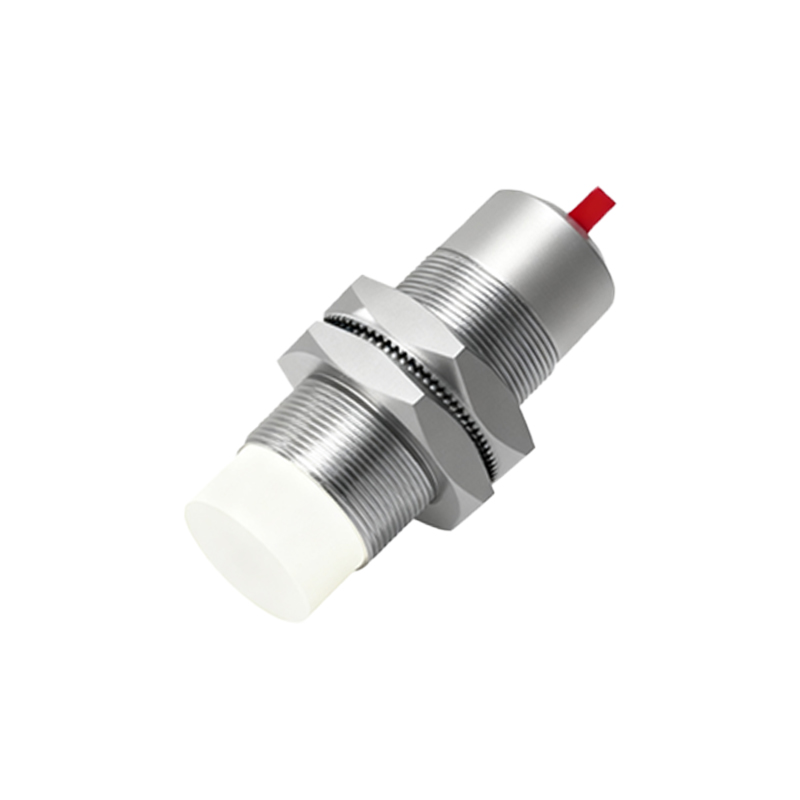
In summary, proximity sensors offer durability, speed, precision, versatility, and energy efficiency, making them essential for advancing electrical engineering and automation. Their continuous innovation drives improvements in productivity and safety across diverse sectors.