In the world of industrial automation and machine safety, the choice of a proximity sensor is far from trivial. These devices, responsible for detecting the presence or absence of objects without physical contact, are the silent sentinels of modern manufacturing. As a seasoned electrical engineer with decades of field experience, I am often asked, "Which brand makes the best proximity sensor?" The answer, as with most engineering questions, is not a simple one. It depends heavily on the specific application, environmental conditions, required performance, and budget. However, by analyzing the leading contenders in the market, we can provide a clear framework for making the optimal selection.
The landscape is dominated by several established giants, each with its own philosophy and strengths. Brands like Sick, Pepperl+Fuchs, Omron, Balluff, and ifm electronic consistently top the lists for reliability and innovation.
Sick AG is frequently lauded for its precision and robustness, particularly in harsh environments. Their sensors are engineered with a strong focus on safety and high-performance applications. In automotive assembly lines or heavy machinery where dust, vibration, and temperature extremes are the norm, Sick sensors demonstrate exceptional durability. Their background suppression technology for photoelectric sensors is industry-leading, but this expertise translates into their inductive and capacitive proximity offerings as well. You pay a premium, but for mission-critical applications, the investment is often justified.
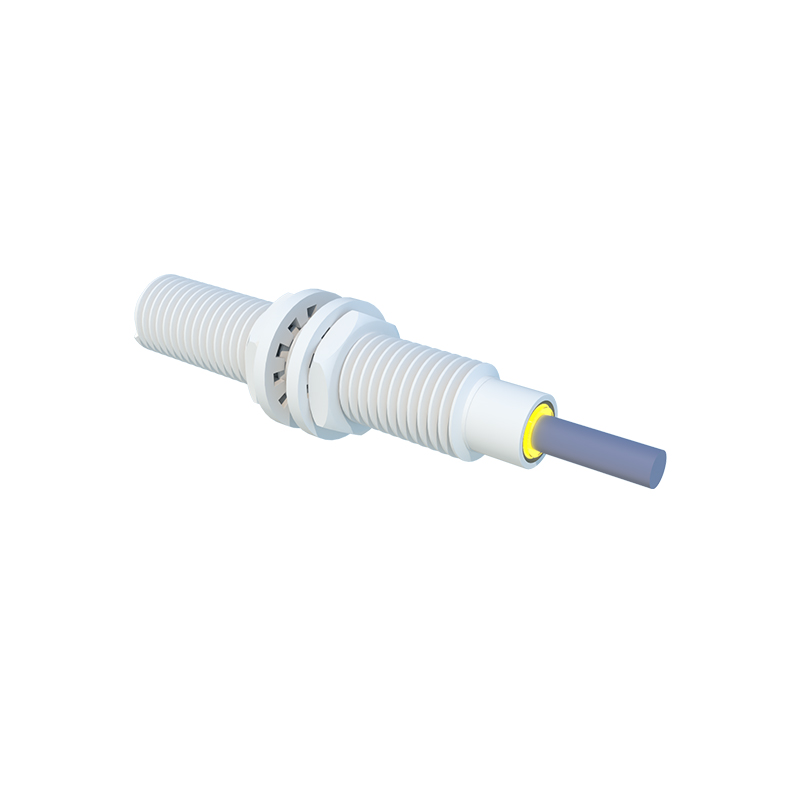
Pepperl+Fuchs is another German powerhouse synonymous with intrinsic safety and explosion-proof technology. For hazardous areas in chemical, pharmaceutical, or oil and gas industries, P+F is frequently the default and safest choice. Their product range is vast, and their sensors are known for exceptional build quality and long service life. While they excel in specialized, safety-focused markets, their standard inductive sensors are also highly reliable for general factory automation.
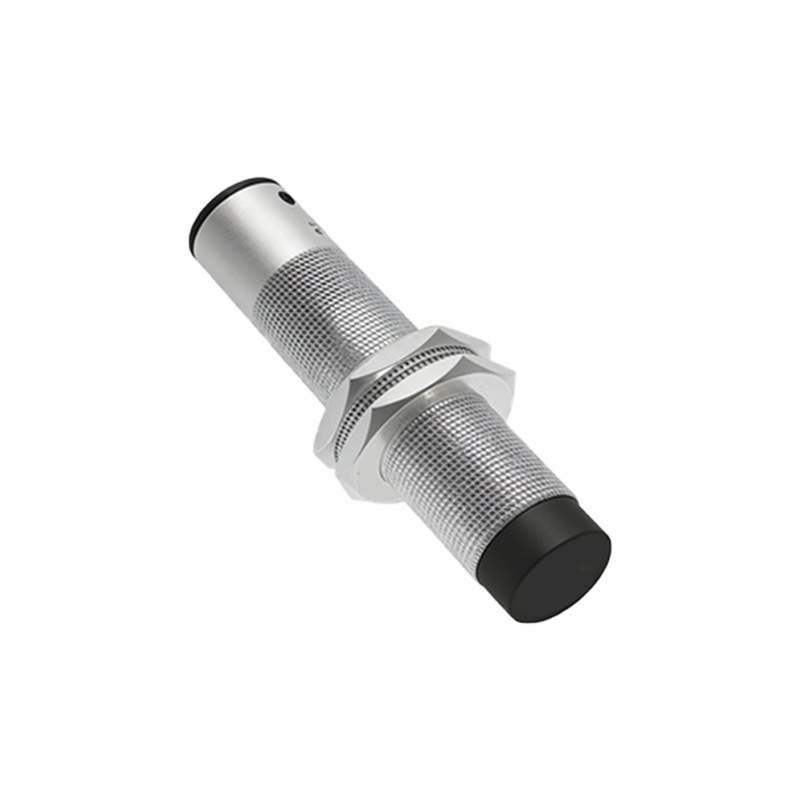
Omron, a Japanese multinational, offers perhaps the most extensive catalog. Their strength lies in providing cost-effective, highly reliable sensors for a massive range of standard applications. Omron sensors are ubiquitous on assembly lines worldwide for good reason: they offer excellent value, consistent performance, and global availability. Their E2E series of cylindrical inductive sensors is a de facto industry standard. For engineers designing a new machine with common sensing needs and tight cost constraints, Omron is an outstanding starting point.
Balluff stands out for its innovation in miniaturization and IO-Link integration. This German company pushes the boundaries of what's possible in a small form factor without sacrificing sensing distance or durability. Their "Bionic" series is a testament to this. Furthermore, Balluff is a pioneer in integrating IO-Link communication into standard sensors, turning a simple switch into a smart device that can report diagnostics, temperature, and other parameters. For applications requiring dense packaging or those moving towards Industry 4.0 data collection, Balluff is a top contender.
ifm electronic rounds out the list with a compelling combination of durability, user-friendly design, and advanced diagnostics. Their sensors are built to withstand mechanical stress, featuring robust housings and stable sensing characteristics. ifm places a strong emphasis on making setup and troubleshooting easier, with features like clear LED indicators and patented "teach-in" methods. For maintenance teams that value quick diagnostics and reduced downtime, ifm sensors deliver significant operational advantages.
So, who is the best? Let's reframe the question: "What is the best sensor for my application?" Here is a practical decision matrix:
For Extreme Environments & Highest Reliability: Prioritize Sick or Pepperl+Fuchs.
For Hazardous/Explosive Areas: Pepperl+Fuchs is the specialist leader.
For Standard Applications & Best Value: Omron is incredibly hard to beat.
For Miniaturization & Smart Factory/IO-Link Integration: Look closely at Balluff.
For Ease of Use, Durability, & Advanced Diagnostics: ifm electronic offers a superb balance.
Beyond brand, never overlook the specifications. Key parameters include sensing distance (and its derating for different materials), switching frequency, housing material (e.g., stainless steel vs. PBT), connection type (pre-wired vs. connector), and protection rating (IP67/IP68/IP69K). A sensor from a "lesser" brand that perfectly matches your electrical and mechanical specs will outperform a mismatched premium sensor every time.
In conclusion, the "best" brand is the one whose product philosophy and technical strengths align perfectly with your specific operational requirements. The market leaders discussed here have earned their reputations. The optimal engineering approach is to define your application needs with precision—environment, target material, required precision, connectivity, and lifecycle cost—and then select the sensor,