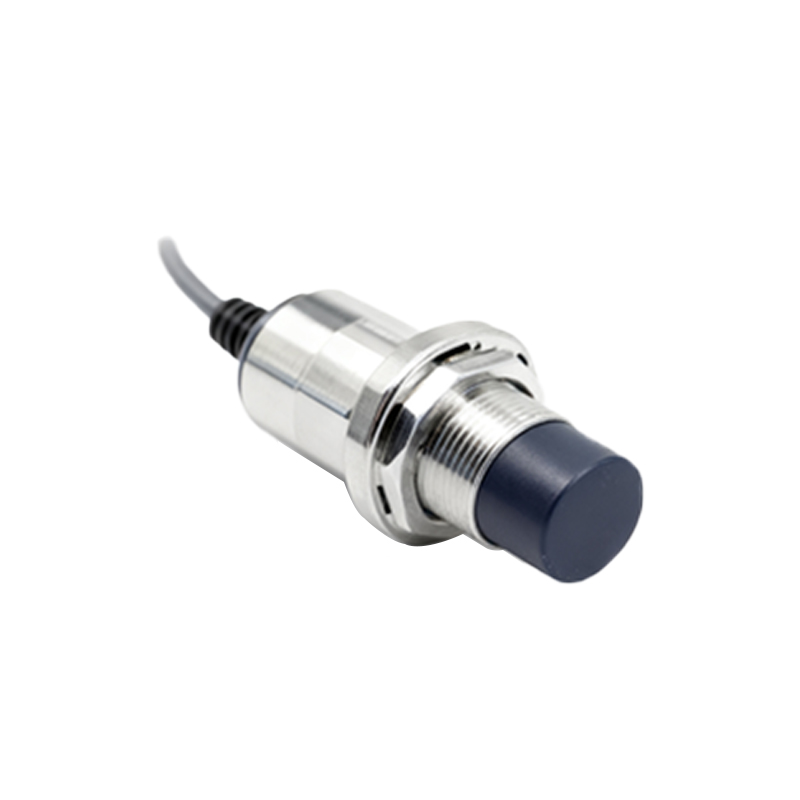
Proximity switch sensors are indispensable components in the operational and safety systems of modern straddle carriers, which are critical for container handling in ports and intermodal yards. These non-contact sensors detect the presence or absence of metallic objects without physical interaction, ensuring precise positioning, collision avoidance, and automated control. For engineers and maintenance personnel in the heavy equipment sector, understanding the selection, application, and maintenance of these sensors is paramount for optimizing performance and minimizing downtime.
Straddle carriers, with their towering structures and complex movement patterns, rely on a network of sensors to navigate tight spaces and handle containers safely. Proximity switches, typically inductive types for metal detection, are strategically installed at key points: near spreader mechanisms to confirm container lock engagement, along the chassis to monitor clearance from obstacles, and on steering axles to provide positional feedback. Their primary function is to convert physical proximity into an electrical signal, which is then processed by the carrier’s programmable logic controller (PLC) to trigger actions like stopping movement, activating lights, or enabling the next phase of an automated cycle.
From a technical standpoint, the choice of sensor depends on several factors. Sensing range, measured in millimeters, must align with the application—short-range sensors suit precise positioning tasks, while longer-range variants are better for obstacle detection. Environmental durability is equally critical; sensors must withstand harsh conditions including vibration, moisture, salt spray, and temperature extremes common in port environments. Enclosure ratings such as IP67 or IP69K ensure protection against dust and water ingress. Additionally, output types (e.g., NPN/PNP for DC systems or NO/NC contacts) must be compatible with the carrier’s control architecture to avoid integration issues.
Installation and alignment are often overlooked yet vital aspects. Misaligned sensors can cause false triggers or failures, leading to operational delays or safety hazards. Best practices include mounting sensors securely with adjustable brackets to fine-tune position, ensuring the target metal surface is within the specified sensing distance, and avoiding interference from adjacent metallic structures. Regular calibration checks, as part of preventive maintenance schedules, help maintain accuracy. Wiring should follow manufacturer guidelines, with shielded cables used in electrically noisy environments to prevent signal degradation.
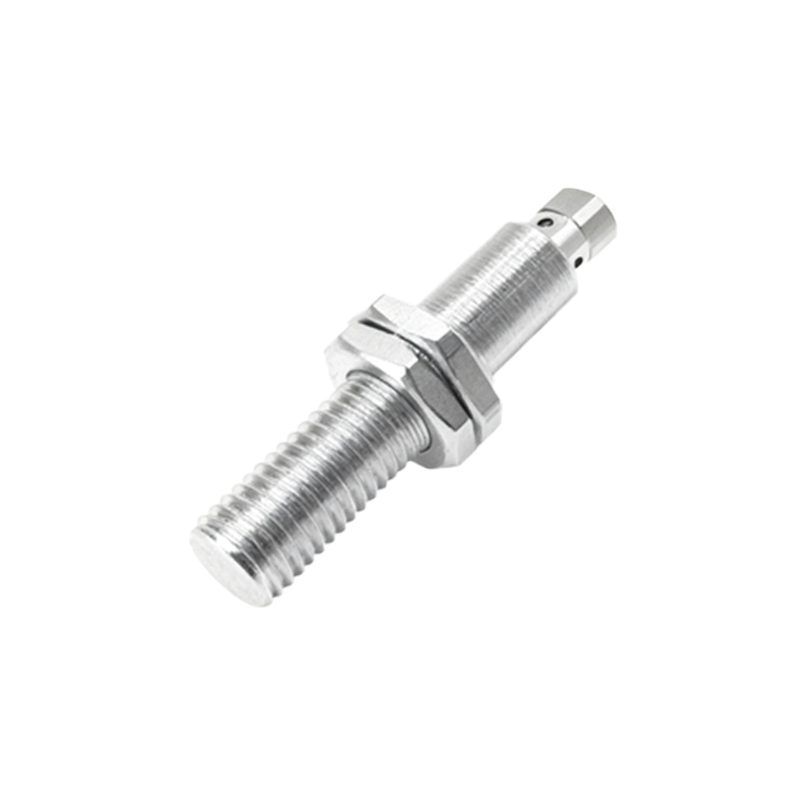
Common challenges in straddle carrier applications include sensor wear from constant exposure to contaminants like dirt and grease, mechanical damage from accidental impacts, and electrical faults from vibration-induced loose connections. Troubleshooting typically involves verifying power supply, checking output signals with a multimeter, and inspecting for physical damage. Upgrading to more robust sensors with higher ingress protection or self-diagnostic features can enhance reliability. Moreover, integrating smart sensors with IO-Link or similar communication protocols allows for real-time monitoring of sensor health and predictive maintenance, reducing unplanned outages.
In summary, proximity switches are vital for the safe and efficient operation of straddle carriers. Their proper selection, installation, and maintenance directly impact equipment uptime and safety compliance. As automation in container handling advances, these sensors will continue to evolve, offering greater precision and connectivity. For electrical engineers and technicians, staying updated on sensor technologies and adhering to rigorous maintenance protocols is essential to support the demanding logistics industry.