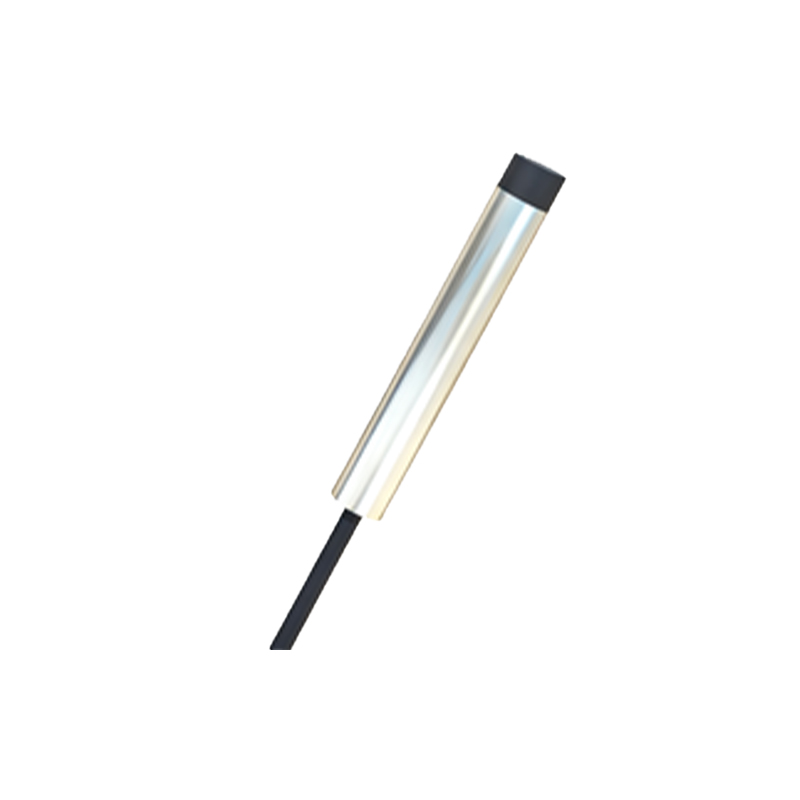
Capacitive sensing technology has become a cornerstone in modern electrical engineering, offering a non-contact, highly sensitive method for detecting and measuring a vast array of physical parameters. At its core, a capacitive sensor operates by detecting changes in capacitance, the ability of a system to store an electrical charge. A typical sensor configuration consists of at least two conductive electrodes separated by a dielectric medium, forming a capacitor. The fundamental capacitance (C) is governed by the formula C = ε₀εᵣA/d, where ε₀ is the permittivity of free space, εᵣ is the relative permittivity of the dielectric, A is the overlapping area of the electrodes, and d is the distance between them. Any variation in these parameters—be it a change in distance (proximity), area (displacement), or the dielectric constant (material presence, liquid level, humidity)—results in a measurable change in capacitance.
The operational principle leverages this sensitivity. Most modern capacitive sensors are integrated into oscillator or bridge circuits. A change in the sensor's capacitance alters the frequency or amplitude of an oscillating signal or unbalances a bridge circuit. This analog change is then conditioned, typically amplified and filtered, before being converted into a digital signal via an analog-to-digital converter (ADC) for processing by a microcontroller or programmable logic controller (PLC). This processed signal yields precise data about the measured variable.
The applications of capacitive sensors are remarkably diverse, spanning numerous industries. In industrial automation, they are indispensable for non-contact position and displacement sensing, crucial in robotics and precision assembly lines. Their ability to detect any material, including non-metallic objects like plastics, glass, and liquids, makes them superior to inductive sensors in many scenarios. Proximity sensing is another key application, used in touch-sensitive elevator buttons, fluid level monitoring in tanks, and thickness measurement in rolling mills. Perhaps the most ubiquitous application is the capacitive touchscreen, which uses a grid of electrodes to detect the conductive touch of a finger, revolutionizing human-machine interfaces in smartphones, tablets, and industrial HMIs.
Further applications include moisture and humidity sensing, where changes in the dielectric constant of a hygroscopic material are measured. In the automotive sector, capacitive sensors enable rain-sensing wipers, occupant detection for airbag systems, and touch-sensitive controls on dashboards. They are also pivotal in precision measurement instruments and medical devices.
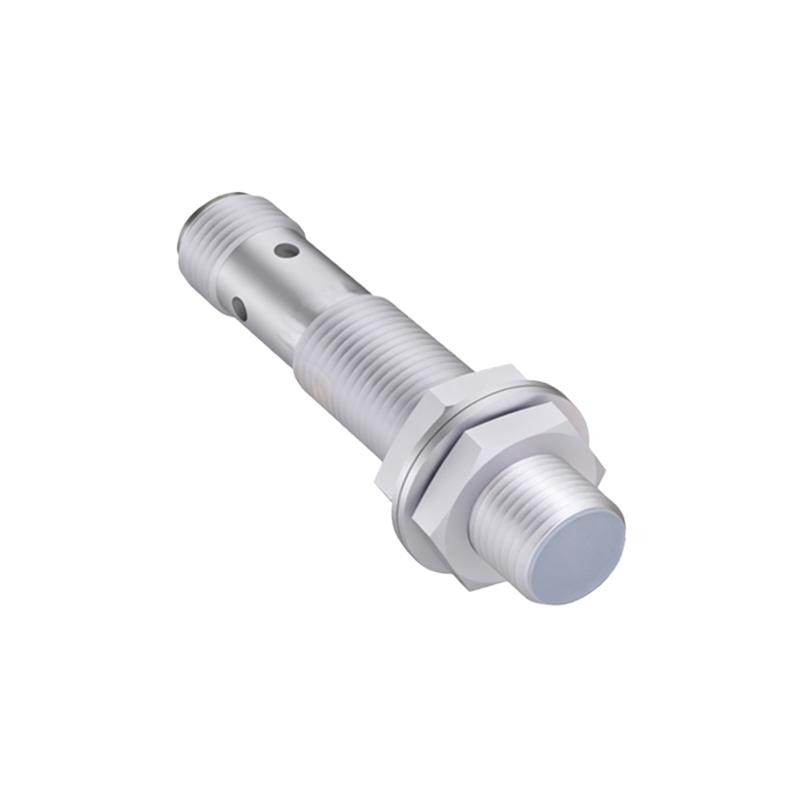
Recent advancements continue to push the boundaries of capacitive sensing. The integration of sophisticated algorithms and digital signal processing (DSP) has dramatically improved noise immunity, resolution, and long-term stability. Modern sensors can differentiate between a deliberate touch and environmental noise or accidental contact. The development of flexible and transparent capacitive sensors using materials like indium tin oxide (ITO) or silver nanowires is enabling new form factors in wearable electronics and curved displays. Furthermore, the advent of micro-electromechanical systems (MEMS) technology has led to the miniaturization of capacitive sensors for applications in inertial measurement units (IMUs), pressure sensors, and microphones.
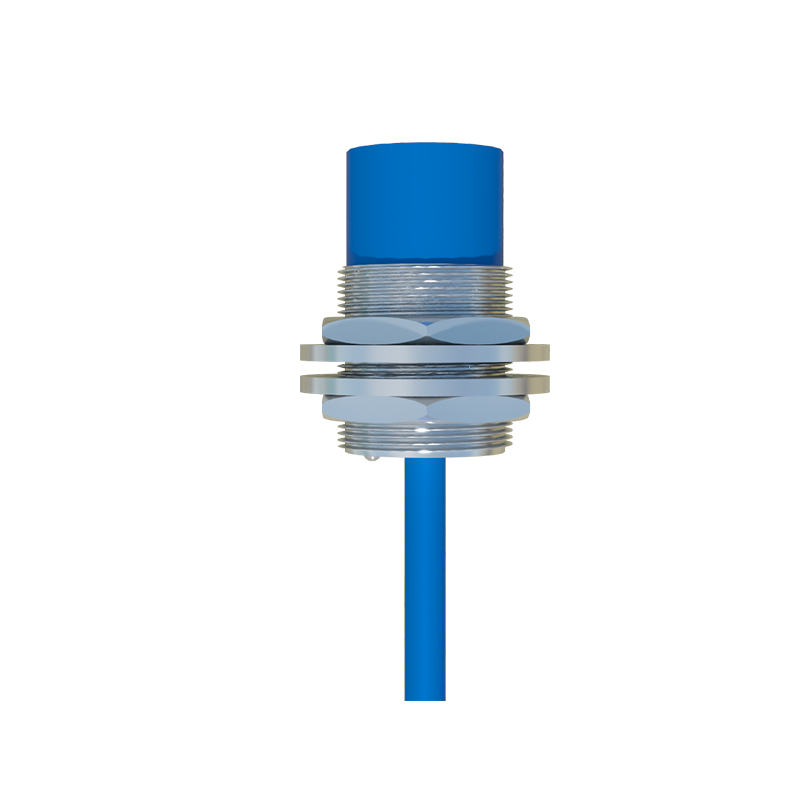
System design with capacitive sensors requires careful consideration. Key challenges include managing parasitic capacitance from cables and surrounding structures, which can degrade signal integrity. Proper shielding and guard electrodes are essential to mitigate these effects. Environmental factors such as temperature fluctuations and contamination (e.g., oil, dust) can also affect performance, necessitating robust mechanical design and protective coatings. Selecting the right electrode geometry and excitation frequency is critical for optimizing sensitivity and range for a specific application.
Looking ahead, the convergence of capacitive sensing with the Internet of Things (IoT) and artificial intelligence (AI) presents exciting opportunities. Smart capacitive sensors with embedded intelligence can perform self-calibration, diagnose faults, and adapt to changing environmental conditions. They are set to play a vital role in smart homes, predictive maintenance in industry, and advanced biomedical monitoring systems.
In conclusion, capacitive sensors represent a versatile and evolving technology fundamental to electrical engineering. Their non-contact nature, high sensitivity, and adaptability to measure various physical phenomena ensure their continued dominance in sensing applications. As material science, integrated circuit design, and data processing techniques advance, capacitive sensors will undoubtedly unlock new levels of precision, reliability, and innovation across all facets of technology and industry.