The global laser sensor market is experiencing unprecedented growth, driven by advancements in automation, robotics, and Industry 4.0 initiatives. For engineers and procurement specialists, understanding the intricate supply chain of laser sensor manufacturers is crucial for ensuring project success, cost efficiency, and supply resilience. This ecosystem is a complex network of raw material suppliers, component fabricators, specialized manufacturers, and distribution channels, each playing a vital role in delivering the precision and reliability these components demand.
At the foundation of this supply chain are the providers of raw materials and core components. High-purity semiconductor materials like gallium arsenide (GaAs) and indium phosphide (InP) are essential for laser diodes. The supply of these materials is geographically concentrated, with a few key players dominating the market, making the chain susceptible to geopolitical and trade policy shifts. Similarly, precision optics, photodetectors, and specialized integrated circuits (ICs) form the critical building blocks. Manufacturers often rely on a multi-sourced strategy for these components to mitigate risk, engaging with both large-scale semiconductor foundries and niche optical component suppliers.
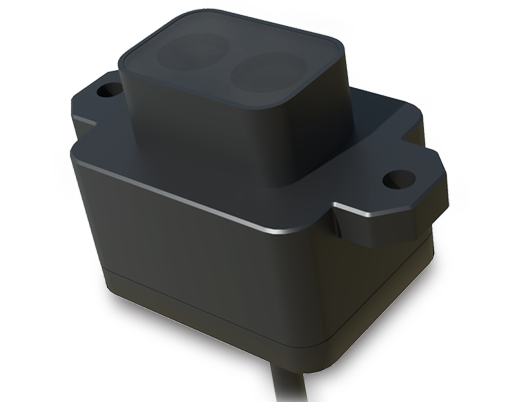
The manufacturing tier itself is diverse, ranging from vertically integrated giants that control much of their production process to agile, fabless design houses that outsource manufacturing to specialized foundries. Vertically integrated companies often boast superior quality control and shorter internal lead times but may face higher fixed costs. In contrast, fabless or asset-light manufacturers offer flexibility and can rapidly adapt to new technological trends by partnering with best-in-class fabrication partners. The choice between these models impacts not only the sensor's performance and customization options but also the supply chain's agility in responding to demand fluctuations or component shortages.
Logistics and distribution represent another critical layer. Laser sensors, being sensitive electro-optical devices, require careful handling and specific transportation conditions to prevent damage from shock, static, or environmental factors. Authorized distributors and value-added resellers (VARs) are key nodes, providing not just inventory but also technical support, local inventory buffers, and pre-sales engineering services. The rise of e-commerce platforms from major manufacturers has also streamlined procurement for standard products, though complex custom solutions still rely on direct manufacturer engagement and established distributor relationships.

Current challenges are reshaping this landscape. The persistent semiconductor shortage has cascaded effects, delaying not just ICs but the entire sensor assembly. Engineers are now factoring in longer lead times, often 20-30 weeks or more for specialized models, into their project planning. Furthermore, increasing demands for miniaturization, higher accuracy, and embedded intelligence (like IO-Link functionality) push manufacturers to constantly innovate, which in turn strains the supply chain for new, cutting-edge components. Compliance with international standards (e.g., IEC, FDA for certain applications) adds another layer of complexity, requiring certified components and documented supply chain processes.
To build a resilient supply chain strategy, industry professionals must adopt a proactive approach. Developing strong, communicative relationships with both manufacturers and distributors is paramount. Dual-sourcing for critical sensor types, where feasible, provides a safety net. Engaging with manufacturers early in the design phase can unlock insights into component longevity and alternative parts, designing for supply chain availability. Furthermore, leveraging distributor inventory management programs and considering safety stock for long-lead-time items are prudent financial decisions to prevent production line stoppages.
In conclusion, the supply chain for laser sensors is a dynamic and technically demanding arena. Success hinges on moving beyond a simple transactional mindset to a strategic partnership model. By deeply understanding the tiers of the supply chain—from raw materials to the end delivery—and actively managing relationships and risks, electrical engineers and procurement teams can secure the reliable flow of high-quality laser sensors essential for powering the next generation of automated and intelligent systems.