In modern industrial environments, monitoring airborne particulate matter is critical for process control, equipment protection, and occupational health. Laser dust sensors have become the preferred solution for precise, real-time measurement of dust concentration. However, the effectiveness of these sensors heavily relies on their interface design, which dictates how they communicate data and integrate into larger systems. This article delves into the common interface types, their characteristics, and best practices for implementation.
The primary function of a laser dust sensor interface is to transmit the measured particulate concentration data to a host device, such as a Programmable Logic Controller (PLC), a data logger, or a central monitoring system. The choice of interface is determined by factors like required data rate, transmission distance, system architecture, and environmental conditions.
Common Interface Types:
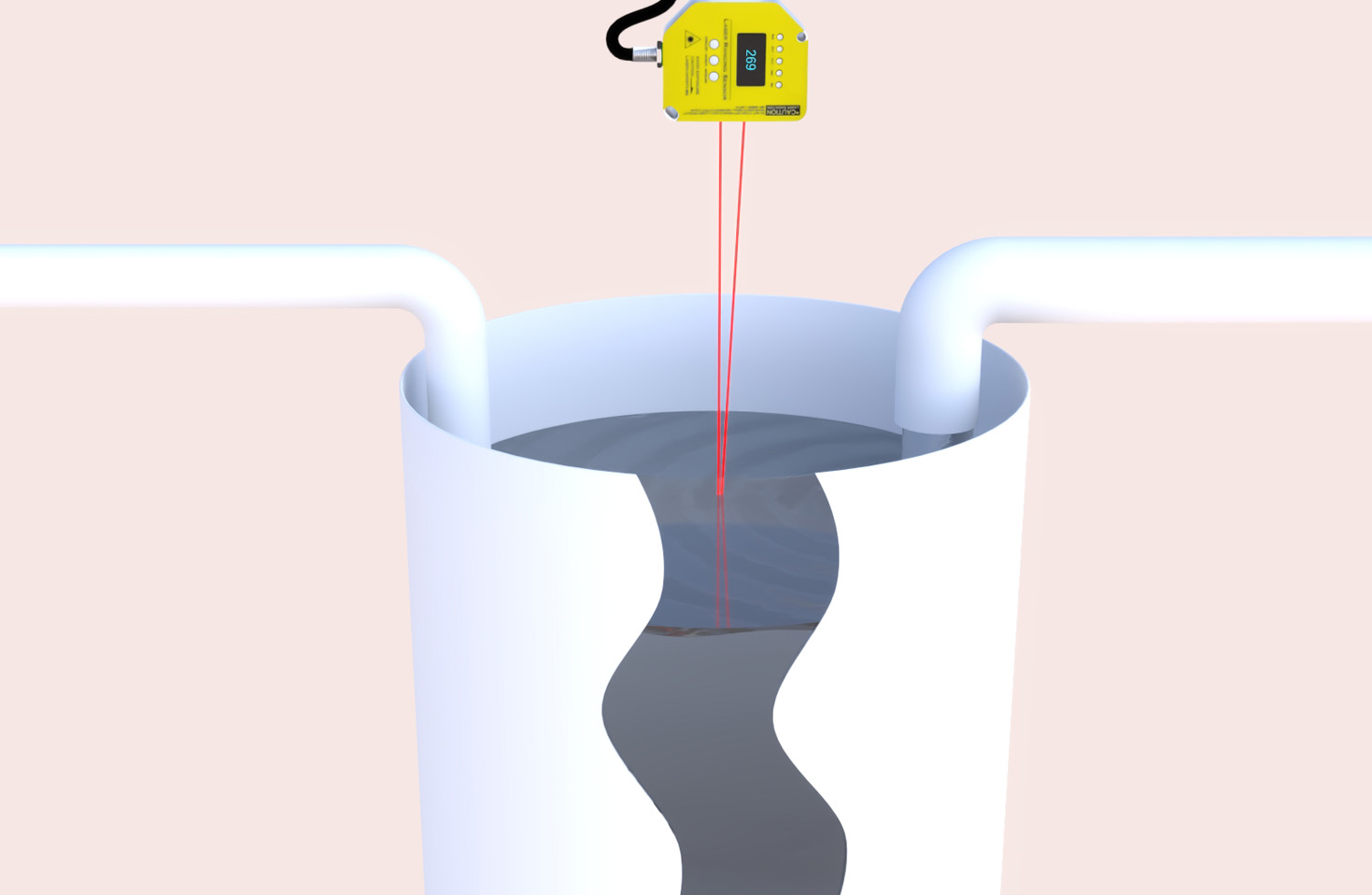
1. Analog Interface (Voltage/Current): This is a fundamental and widely used interface. The sensor outputs a continuous analog signal, typically a 0-5V DC voltage or a 4-20mA current loop, proportional to the measured dust concentration. The 4-20mA standard is particularly favored in industrial settings due to its inherent noise immunity and ability to power the sensor over the same two wires (loop power). It is ideal for simple integration over long distances (up to hundreds of meters) where only a single concentration value is needed. Calibration involves mapping the output signal range to the sensor's measurement range.
2. Digital Serial Interfaces: These interfaces transmit data in digital packets, offering more information and functionality than analog outputs.
* UART (Universal Asynchronous Receiver/Transmitter): Often presented as TTL-level serial (e.g., 3.3V or 5V logic), this is a simple, point-to-point interface. Sensors with UART output a continuous stream of ASCII or binary data packets containing concentration values, often with additional data like particle size distribution, sensor status, and checksums. It requires connection to a UART port on a microcontroller or a USB-to-serial converter for PC connection. Baud rates typically range from 9600 to 115200 bps.
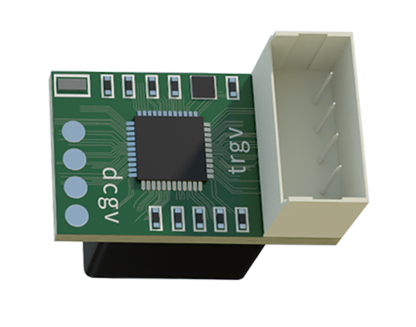
* RS-232 / RS-485: These are standard industrial serial communication protocols. RS-232 is for short-distance, point-to-point communication. RS-485, however, supports multi-drop networks, allowing multiple sensors to communicate on a single bus over distances up to 1200 meters. It is highly resistant to electrical noise, making it perfect for harsh industrial environments with machinery and variable frequency drives. Communication is typically based on Modbus RTU protocol, a standard for master-slave query/response, enabling seamless integration with SCADA and industrial control systems.
3. Pulse Width Modulation (PWM): Some sensors provide a digital PWM output. The duty cycle (the percentage of time the signal is high) is proportional to the concentration. This interface is straightforward to read with a microcontroller's digital input pin or a frequency counter, but it usually conveys only a single data point without the richness of a serial protocol.
4. I2C (Inter-Integrated Circuit) and SPI (Serial Peripheral Interface): These are common short-distance, board-level communication buses used when the sensor is mounted directly on a system's main printed circuit board (PCB). I2C uses a two-wire interface (clock and data) and supports multiple devices on the same bus. SPI is a faster, full-duplex four-wire interface. They are common in compact, embedded designs but are not suitable for long cable runs in factory settings.
Key Considerations for Interface Selection and Integration:
* Noise Immunity: Industrial floors are electrically noisy. 4-20mA current loops and RS-485 differential signaling offer excellent noise rejection compared to voltage-based analog or TTL serial.
* Data Complexity: If you need only a basic concentration reading, analog or PWM may suffice. For advanced data (PM1.0, PM2.5, PM10, status flags), a digital serial interface is necessary.
* Distance and Network Topology: For long distances or connecting multiple sensors, RS-485 is the robust choice. For short, point-to-point links, UART or analog are suitable.
* System Compatibility: Ensure the sensor's interface protocol (e.g., Modbus register map, data packet format) is compatible with your PLC, gateway, or software. Most industrial sensors provide detailed protocol manuals.
* Power Supply: Verify if the interface provides power (like 4-20mA loop power) or requires a separate supply. Isolate power supplies are often recommended to prevent ground loops.
* Cabling and Connectors: Use shielded cables for analog and serial communications, with proper grounding at one end. Industrial-grade connectors (e.g., M12) provide environmental sealing.
Implementation Best Practices:
1. Always refer to the sensor's datasheet for specific pin definitions, voltage levels, and protocol details.
2. For serial communications, correctly configure the host's communication parameters (baud rate, data bits, parity, stop bits) to match the sensor.
3. Implement software checksum verification for serial data packets to ensure data integrity.
4. For analog interfaces, use high-quality signal conditioners or isolated analog input modules on the PLC to minimize error.
5. Design enclosures and cable routes to protect interface connections from dust, moisture, and physical damage, as the sensor's optical chamber is often separated from its electronics.
In conclusion, the interface is the critical bridge between a laser dust sensor's sophisticated measurement capabilities and the industrial control system. A careful selection based on environmental demands, data requirements, and system architecture ensures reliable, accurate, and maintainable particulate monitoring, ultimately safeguarding both processes and personnel.