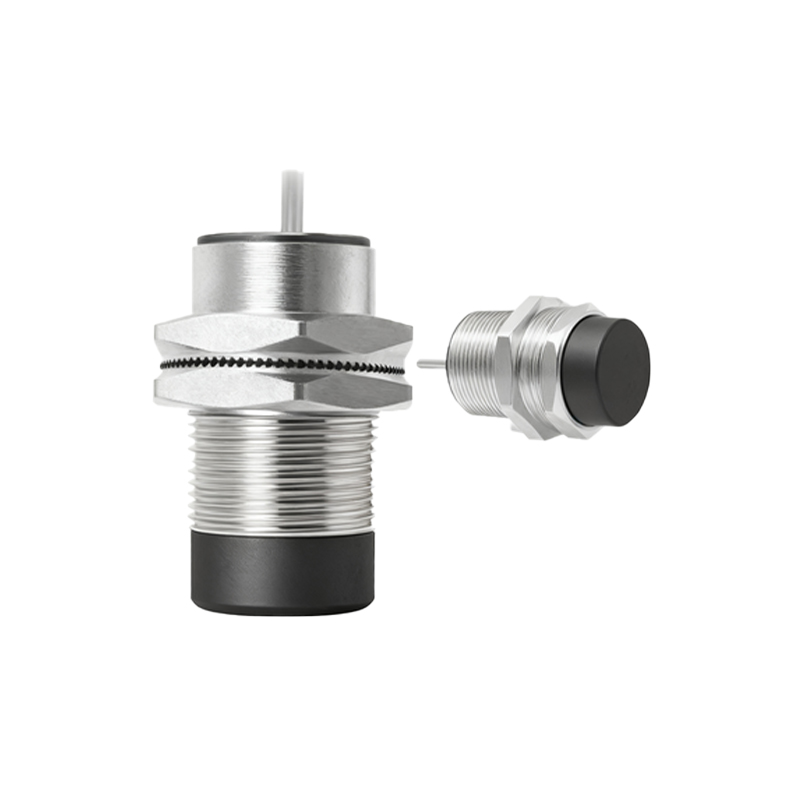
In the rapidly evolving landscape of industrial automation, proximity sensors remain a cornerstone technology for object detection, positioning, and control. As applications grow more complex and demanding, adherence to the latest international standards and specifications is paramount for ensuring reliability, safety, and interoperability. This article outlines the current regulatory and performance framework governing inductive, capacitive, and magnetic proximity sensors.
The International Electrotechnical Commission (IEC) sets the foundational global benchmarks. The IEC 60947-5-2 standard, "Low-voltage switchgear and controlgear – Part 5-2: Control circuit devices and switching elements – Proximity switches," is arguably the most critical. Its latest amendments continue to define key performance parameters such as operating distance, repeat accuracy, hysteresis, and switching frequency. It also rigorously specifies testing procedures for environmental resilience, including resistance to shock, vibration, and various ingress protection (IP) ratings as per IEC 60529. Compliance with IEC 60947-5-2 is often a baseline requirement for sensors in global markets, assuring users of a defined level of quality and safety.
For functional safety applications, where sensor failure could lead to hazardous situations, the IEC 61508 series (Functional Safety of Electrical/Electronic/Programmable Electronic Safety-related Systems) and its sector-specific derivatives like ISO 13849 (for machinery) are indispensable. Proximity sensors designed for Safety Integrity Level (SIL) or Performance Level (PL) applications must be developed and certified according to these standards. This involves rigorous documentation, fault analysis, and proven mean time to dangerous failure (MTTFd) metrics. The latest revisions emphasize systematic capability and hardware fault tolerance, pushing manufacturers to integrate diagnostic functions directly into sensor design.
Regarding environmental and electromagnetic compatibility, the IEC 61000-6-2 (industrial immunity) and IEC 61000-6-4 (industrial emissions) standards are crucial. Modern industrial environments are saturated with electromagnetic noise from variable frequency drives, communication systems, and other equipment. The latest iterations of these EMC standards define stricter limits and test protocols to ensure sensors operate reliably without interfering with other devices. This includes immunity to electrostatic discharge (ESD), burst, surge, and conducted radio-frequency disturbances.
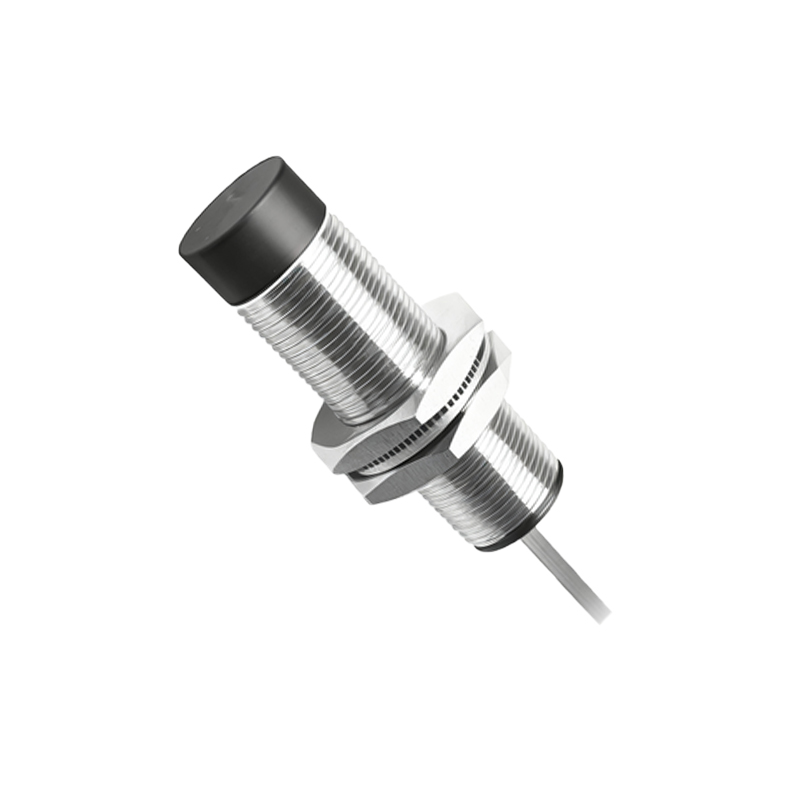
On a regional level, standards like UL 508 (USA) and EN 60947-5-2 (Europe) provide localized compliance frameworks, often harmonized with but sometimes specifying beyond IEC requirements. For instance, specific markings for intrinsic safety (e.g., for use in explosive atmospheres as per ATEX directive in Europe or IECEx scheme internationally) follow standards like IEC 60079-11. The latest updates in these areas frequently address new materials, miniaturization trends, and cybersecurity considerations for networked sensors.
From a performance specification standpoint, beyond formal standards, industry best practices are codified in technical documents from organizations like the Profibus User Organization (PNO) for PROFINET/IO-Link or the ODVA for EtherNet/IP. For smart sensors utilizing IO-Link communication, the latest IO-Link Specification (version 1.1.3 and beyond) defines a universal interface standard, enabling detailed parameterization, diagnostics, and process data exchange. This represents a significant shift from traditional binary switching to intelligent, data-rich devices, demanding new specifications for data integrity, cycle times, and interoperability.
Material and food industry applications demand compliance with specific hygiene standards. Sensors with FDA-compliant materials or those conforming to European Regulation (EC) No 1935/2004 for food contact are essential. Furthermore, washdown duties require high IP ratings (e.g., IP69K as per ISO 20653) and resistance to aggressive cleaning chemicals, which are now more clearly defined in recent supplementary test specifications.
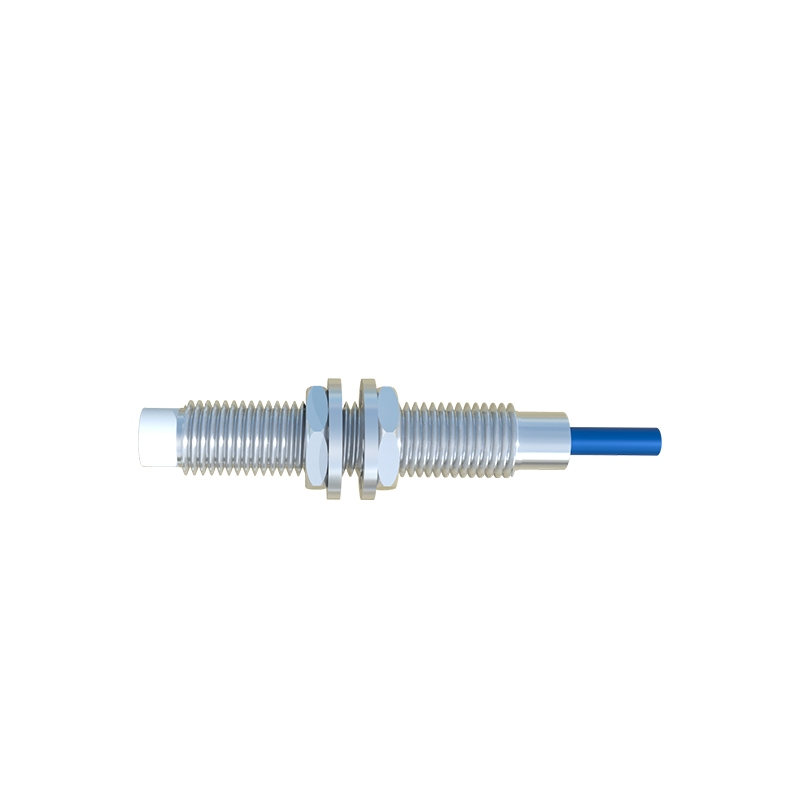
In conclusion, the landscape of proximity sensor standards is dynamic, reflecting technological advancement and heightened safety expectations. The current trend is a convergence of traditional electromechanical performance standards (IEC 60947-5-2) with rigorous functional safety (IEC 61508), enhanced EMC resilience, and sophisticated digital communication protocols (IO-Link). For engineers and system integrators, specifying sensors that carry up-to-date certifications against these latest standards is not merely a bureaucratic exercise but a fundamental engineering practice to guarantee system robustness, facilitate maintenance, and future-proof installations in the era of Industry 4.0 and IIoT. Always consult the latest official publications from standards bodies and manufacturer certification documents for the most current information.