In the rapidly evolving landscape of industrial automation, the significance of proximity sensors cannot be overstated. These critical components are integral to countless applications, from assembly lines to robotic systems, ensuring precision, safety, and operational continuity. However, as technology advances, so do the challenges associated with handling, storage, and deployment of these sensitive devices. Recognizing this, the industry has witnessed a transformative shift towards innovative packaging solutions for universal proximity sensors, designed to address both logistical and performance demands.
Traditional packaging for proximity sensors often involved basic materials like cardboard boxes or plastic clamshells, which, while functional, presented limitations in terms of durability, environmental protection, and user convenience. Moisture, dust, electrostatic discharge (ESD), and physical shocks during transit could compromise sensor integrity, leading to potential failures upon installation. Moreover, inefficient packaging designs contributed to increased handling time and errors in inventory management, ultimately impacting overall productivity.
The advent of new packaging methodologies marks a pivotal advancement. Modern universal proximity sensor packaging is engineered with a multi-faceted approach, prioritizing protection, accessibility, and sustainability. Key features include:
1. Enhanced Protective Materials: Utilizing anti-static, moisture-resistant polymers and cushioned inserts, these packages shield sensors from ESD, humidity, and mechanical stress. This is particularly crucial for sensors used in harsh industrial environments, where exposure to contaminants or vibrations is common.
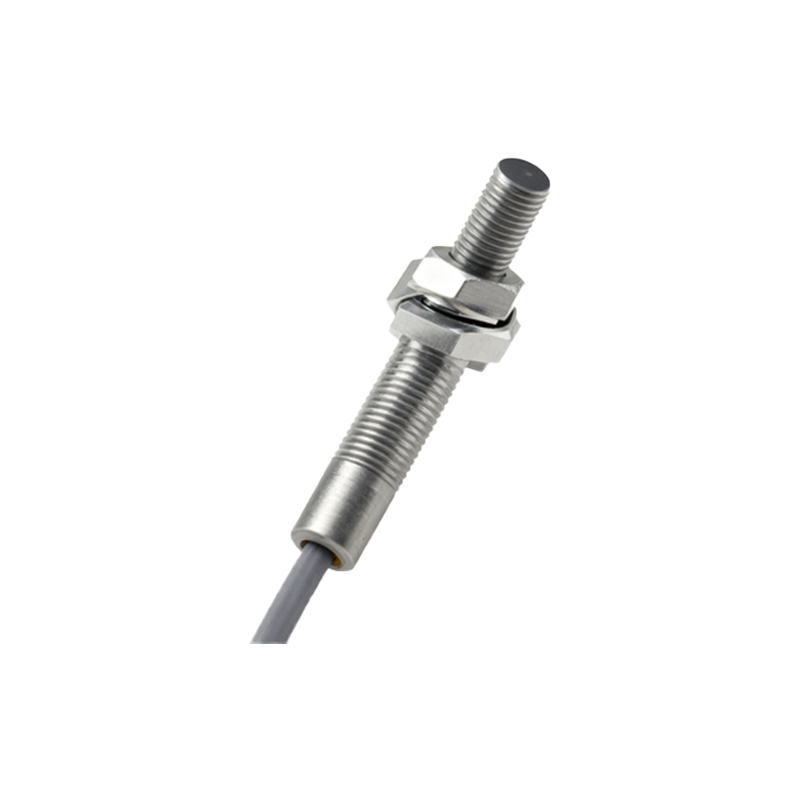
2. Modular and Scalable Designs: Packaging is now often modular, allowing for easy stacking and storage. Clear labeling with barcodes or QR codes facilitates quick identification and inventory tracking, reducing downtime during maintenance or replacement cycles.
3. User-Centric Accessibility: Re-sealable pouches, pull-tab openings, and organized compartments enable technicians to access sensors swiftly without risking damage. This user-friendly design minimizes installation errors and enhances workflow efficiency on the factory floor.
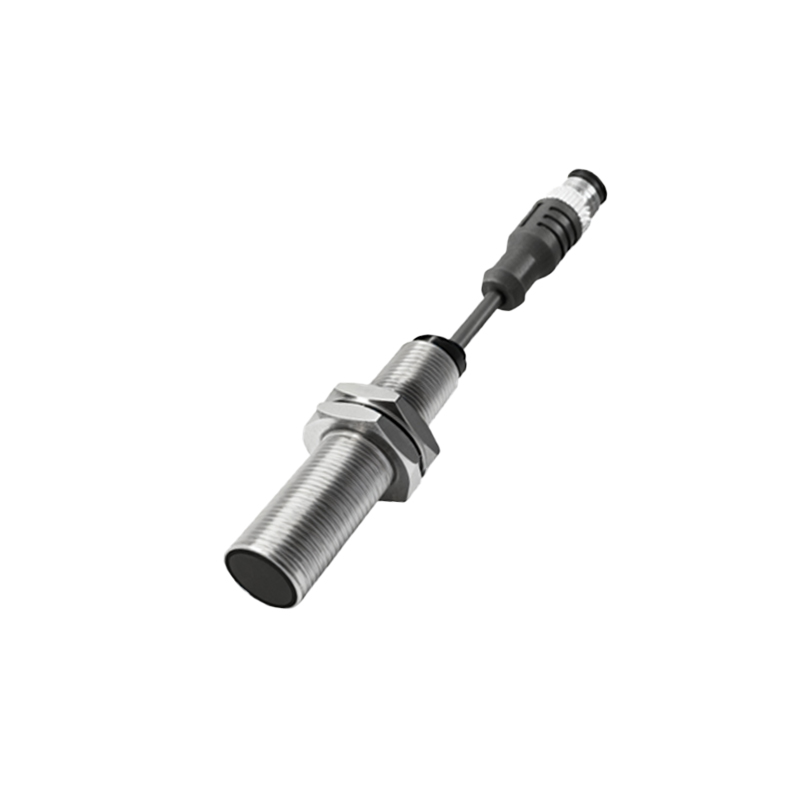
4. Eco-Conscious Initiatives: In alignment with global sustainability goals, many manufacturers are adopting recyclable or biodegradable materials. This not only reduces environmental impact but also appeals to companies striving for greener supply chains.
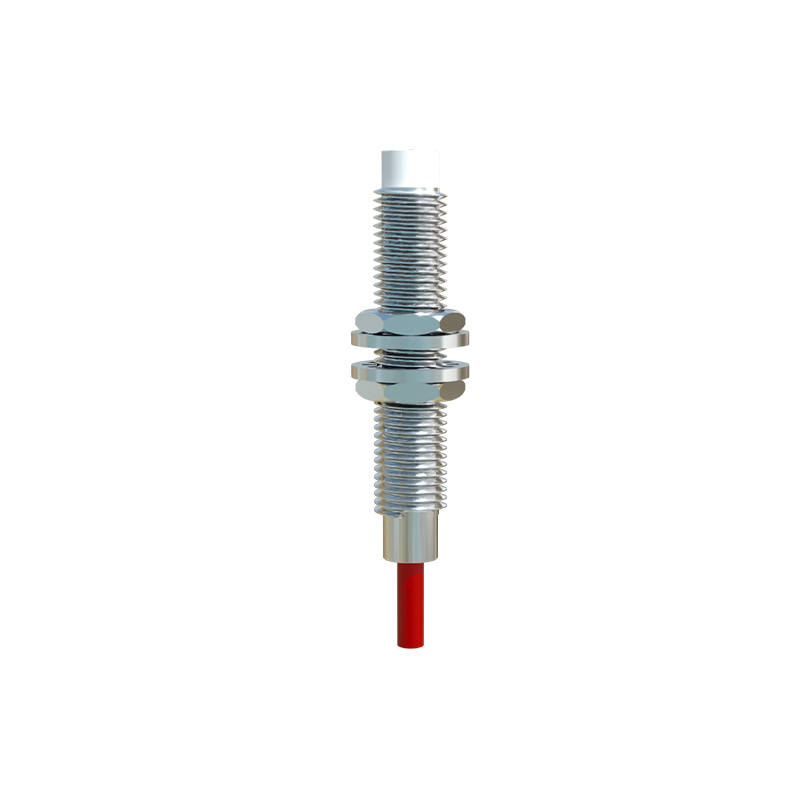
5. Standardization Across Product Lines: Universal packaging solutions are tailored to accommodate various sensor types—inductive, capacitive, and magnetic—within a consistent format. This standardization simplifies procurement and training, as personnel become familiar with a unified packaging system.
From a practical standpoint, these innovations yield tangible benefits. For instance, in automotive manufacturing, where proximity sensors monitor robotic arm movements, robust packaging ensures that sensors arrive in pristine condition, ready for immediate integration. Similarly, in food processing plants, where sensors must withstand frequent washdowns, moisture-proof packaging prevents corrosion during storage.
Furthermore, the economic implications are noteworthy. By reducing sensor damage rates, companies can lower replacement costs and minimize production halts. Improved packaging also streamlines logistics, cutting down on shipping volume and associated expenses. As a result, the total cost of ownership for proximity sensors decreases, bolstering return on investment for end-users.
Looking ahead, the trajectory of packaging innovation is set to continue. Emerging trends include smart packaging with embedded RFID tags for real-time tracking, and the integration of augmented reality (AR) instructions on packaging surfaces to guide installation. Such advancements promise to further elevate the reliability and usability of universal proximity sensors.
In conclusion, the evolution of packaging for universal proximity sensors represents a critical enabler of industrial efficiency. By marrying robust protection with intelligent design, these solutions not only safeguard sensitive components but also empower businesses to operate more smoothly and sustainably. As industries worldwide embrace automation at an unprecedented scale, investing in advanced packaging is no longer a luxury—it is a strategic imperative for ensuring long-term operational success.