In the rapidly evolving landscape of industrial automation, plastic proximity sensors have emerged as a cornerstone technology, offering a unique blend of durability, cost-effectiveness, and reliable non-contact detection. Unlike their metallic counterparts, these sensors utilize high-performance engineering plastics in their housings and sensing faces, making them exceptionally suited for challenging environments where corrosion, chemical exposure, or stringent hygiene standards are paramount. Leading plastic proximity sensor manufacturers are continuously pushing the boundaries of material science and electronic integration to meet the diverse demands of modern industry.
The primary advantage of plastic-bodied sensors lies in their inherent resistance to a wide array of corrosive substances, including acids, alkalis, and salts. This makes them indispensable in industries such as chemical processing, food and beverage, pharmaceuticals, and wastewater treatment. In food production lines, for instance, sensors must withstand frequent washdowns with caustic cleaning agents. Plastic sensors, often rated with IP67, IP68, or IP69K ingress protection, not only survive but thrive in these conditions, ensuring uninterrupted operation and compliance with sanitary regulations. Furthermore, their non-metallic construction eliminates the risk of metallic contamination, a critical factor in food and pharmaceutical packaging.
Technological innovation is a key driver for manufacturers. Modern plastic inductive proximity sensors can detect metallic objects, while capacitive variants are adept at sensing non-metallic materials like liquids, plastics, and wood, through their plastic housing. This versatility opens applications in material level detection, such as monitoring plastic granulate in hoppers or liquid levels in non-metallic tanks. Advanced designs incorporate embedded microprocessors that enable programmable functions—adjustable sensing ranges, output delays, and teach-in capabilities—allowing for precise customization on the factory floor without external tools. The integration of IO-Link communication is becoming standard, transforming simple sensors into intelligent data points that provide diagnostic information, process parameters, and condition monitoring data to higher-level control systems.
Another significant trend is the miniaturization of sensors. Manufacturers are developing incredibly compact plastic sensors that can be installed in space-constrained machinery, such as small robotic grippers, intricate assembly modules, and consumer electronics manufacturing equipment. Despite their small size, these sensors do not compromise on performance, offering stable switching frequencies and sensing distances tailored for high-speed automation. The use of PBT, PPS, or other robust thermoplastics ensures these miniature components maintain structural integrity under mechanical stress and thermal cycling.
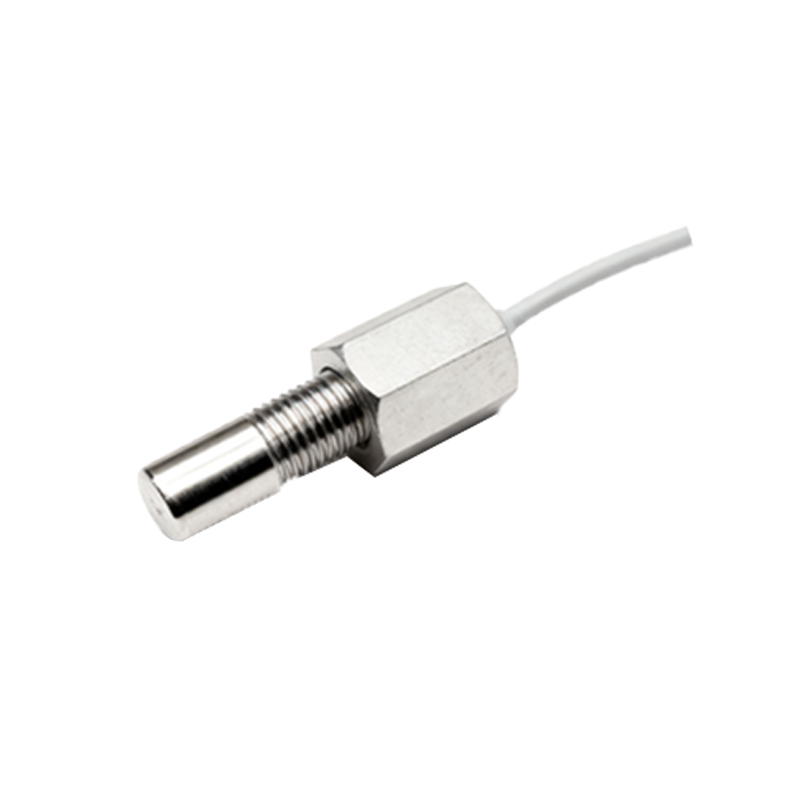
For end-users, selecting the right manufacturer involves evaluating several factors beyond the basic specifications. Reliability and mean time between failures (MTBF) are paramount, as unscheduled downtime carries enormous costs. Reputable manufacturers invest heavily in quality control, from raw material selection to final testing under simulated real-world conditions. Technical support and global availability are also crucial; a sensor is only as good as the service behind it. Leading suppliers offer comprehensive catalogs with detailed 3D models, CAD drawings, and application notes, simplifying the design-in process for machine builders.
The application spectrum for plastic proximity sensors is vast. In automotive manufacturing, they reliably detect components on plastic conveyor chains. In packaging machinery, they count bottles, verify cap presence, and control filling operations. In semiconductor fabrication, ultra-clean versions prevent particulate generation. As Industry 4.0 and smart factory concepts mature, the role of these sensors expands from mere switching devices to essential sources of machine health and production flow data. Their plastic construction, once merely a material choice, is now a strategic enabler for automation in aggressive, clean, or cost-sensitive environments worldwide. The ongoing research into new polymer blends and sensing technologies promises even greater resilience and intelligence, solidifying the position of plastic proximity sensors as a fundamental component in the automated future.