In the realm of industrial automation and electrical control systems, the single-phase power proximity sensor stands as a critical component for non-contact detection and positioning. Unlike traditional mechanical switches, these sensors operate without physical contact, offering enhanced reliability, longevity, and precision in diverse operational environments. This article delves into the fundamental principles, common types, key applications, and essential selection criteria for single-phase power proximity sensors, providing a comprehensive guide for engineers and technicians.
At its core, a single-phase power proximity sensor is an electronic device designed to detect the presence or absence of a target object within its sensing range. It operates on a single-phase AC power supply, typically ranging from 90 to 250 VAC, which is common in many industrial settings. The working principle is primarily based on electromagnetic or capacitive effects. Inductive proximity sensors, the most prevalent type for metallic targets, generate an oscillating electromagnetic field. When a conductive object enters this field, it induces eddy currents within the target, causing a change in the oscillation amplitude. This change is detected by the sensor's internal circuit, which then triggers a switching output. Capacitive sensors, on the other hand, can detect both metallic and non-metallic materials by sensing changes in capacitance caused by the target object altering the electrostatic field around the active face.
The construction of a typical single-phase inductive proximity sensor includes a coil, an oscillator, a demodulator, a trigger circuit, and an output switching device. The housing is usually made of robust materials like nickel-plated brass, stainless steel, or PBT plastic to withstand harsh industrial conditions, including exposure to oils, coolants, and metal chips. A key feature is the built-in surge protection and noise immunity, which is crucial for stable operation in electrically noisy environments common with motor drives and power switching equipment. The output is often a solid-state switch, such as a triac or a relay, capable of directly interfacing with programmable logic controllers (PLCs), contactors, or indicator lamps.
Applications for these sensors are vast and integral to modern manufacturing. They are extensively used for position sensing in automated machinery—for instance, verifying the presence of a metal part on a conveyor, detecting the end position of a cylinder rod, or ensuring proper indexing on a rotary table. In packaging lines, they count products or confirm lid placement. Within machine tools, they serve as limit switches to prevent over-travel, enhancing safety. Their non-contact nature makes them ideal for high-speed counting and detection tasks where mechanical wear would be a significant drawback, such as in bottling plants or automotive assembly lines.
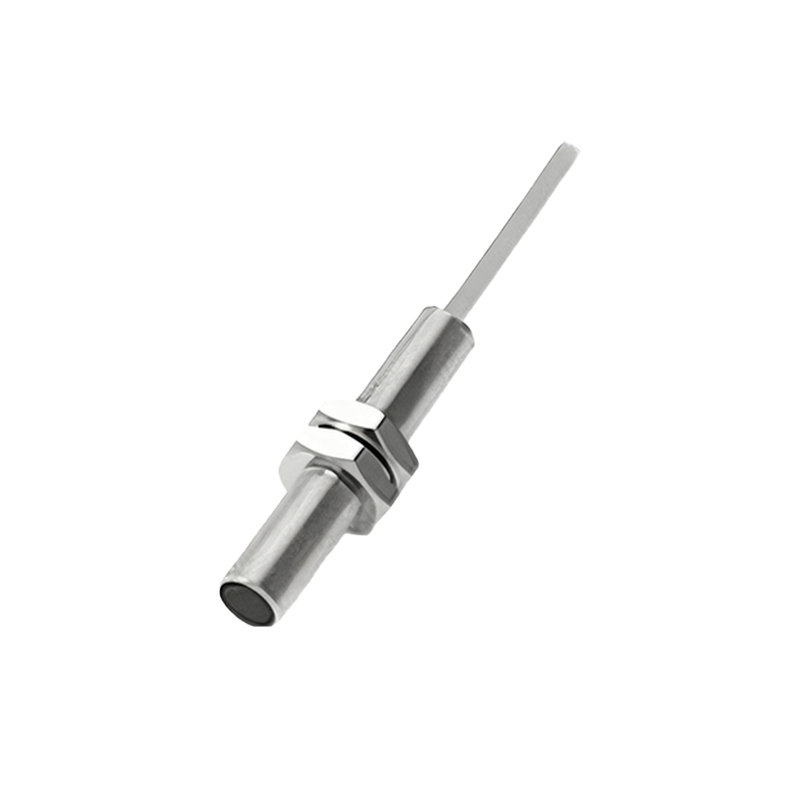
When selecting a single-phase power proximity sensor for a specific application, several parameters must be carefully considered. First is the sensing distance, often specified as the nominal range. It is vital to note that this rating is standardized for mild steel; for other metals like aluminum or copper, a reduction factor must be applied. The second is the target material and size; the sensor must be sensitive enough to detect the smallest intended target reliably. Environmental factors are paramount: the sensor's IP (Ingress Protection) rating determines its resistance to dust and water, with ratings like IP67 being standard for washdown areas. Temperature range, chemical resistance, and resistance to mechanical shock or vibration must align with the operating conditions. Electrical characteristics are equally important: the supply voltage tolerance, output current capacity, and switching frequency (response time) must match the control system's requirements. Additionally, the output configuration (normally open or normally closed) and wiring style (pre-wired cable or quick-disconnect) influence installation and integration.
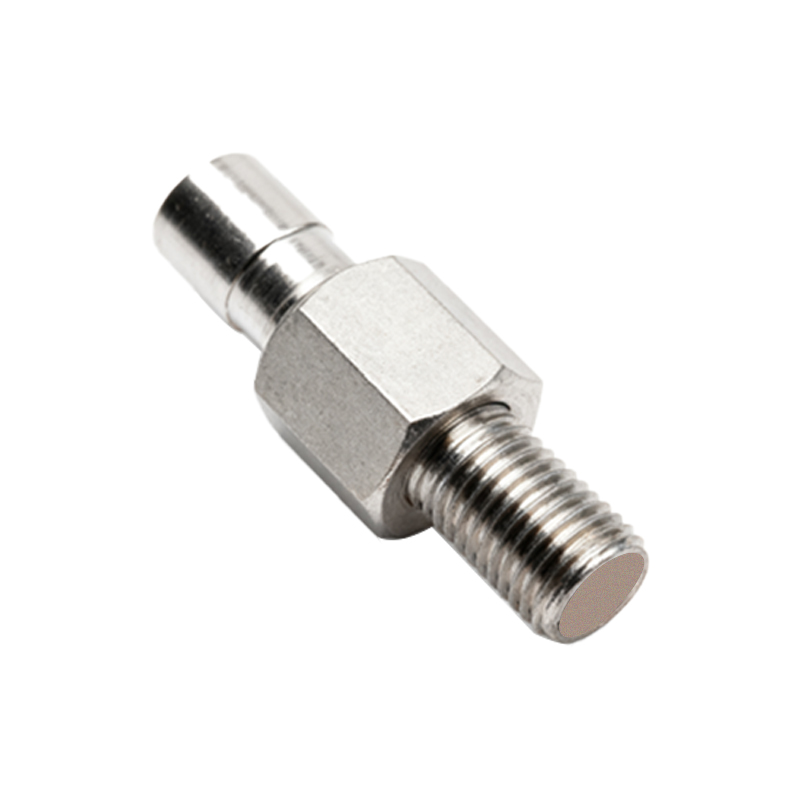
Installation and maintenance practices significantly impact sensor performance and lifespan. Proper mounting is crucial; flush-mountable sensors can be installed metal-to-metal, while non-flush types require a clearance zone free of surrounding metal to achieve their full sensing range. Engineers must ensure adequate shielding from strong electromagnetic fields generated by nearby power cables or large motors. Regular maintenance involves checking for physical damage, buildup of debris on the sensing face, and verifying electrical connections. A common diagnostic step is to observe the sensor's indicator LED (if equipped) to confirm its switching state.
In conclusion, the single-phase power proximity sensor is a versatile and robust workhorse in electrical and automation engineering. Its ability to provide contactless, wear-free detection in challenging environments makes it indispensable for improving efficiency, safety, and reliability in industrial processes. A thorough understanding of its operating principles, coupled with a methodical approach to selection and installation based on specific application demands, enables engineers to design and maintain highly effective and resilient control systems. As Industry 4.0 and smart manufacturing evolve, the integration of these sensors with IoT platforms for predictive maintenance and data analytics will further expand their role in the connected factory of the future.
SEO