In the highly precise and demanding world of modern tire manufacturing, quality control is paramount. Even the slightest deviation in dimensions, surface uniformity, or structural integrity can lead to catastrophic failures. This is where laser displacement sensors have emerged as a transformative technology, offering non-contact, high-speed, and micron-level accuracy for a multitude of critical applications throughout the tire production lifecycle.
The fundamental principle behind these sensors is laser triangulation. A focused laser beam is projected onto the tire's surface. The reflected light is captured by a receiving lens at a specific angle and focused onto a position-sensitive detector. Any change in the distance to the target surface causes the reflected light spot to shift on the detector. This shift is precisely measured and converted into a highly accurate distance value. This non-contact method is ideal for measuring soft, hot, or moving objects like green tires or finished products without causing any deformation or damage.
One of the primary applications is in the tire building process, specifically during the assembly of the "green tire." Laser sensors are deployed to measure the precise placement and thickness of various rubber components, such as the tread, sidewall, and inner liner, as they are applied to the drum. Ensuring consistent thickness and proper overlap at splice joints is critical for tire durability and performance. Real-time feedback from laser sensors allows for immediate adjustments, minimizing material waste and preventing defective builds from proceeding down the line.
Following vulcanization in the mold, tire inspection becomes even more critical. Laser displacement sensors are integral to automated inspection stations. They perform 100% inspection of key geometric parameters. This includes measuring the tire's overall outer diameter (OD) and cross-sectional width with exceptional repeatability. More importantly, they meticulously scan the tread surface and sidewalls to detect any irregularities such as bulges, depressions, voids, or flash (excess rubber). A high-density scan can create a detailed 3D profile of the entire tread pattern, ensuring that groove depth, pitch length, and block dimensions conform exactly to design specifications, which directly influences noise, handling, and wet traction.
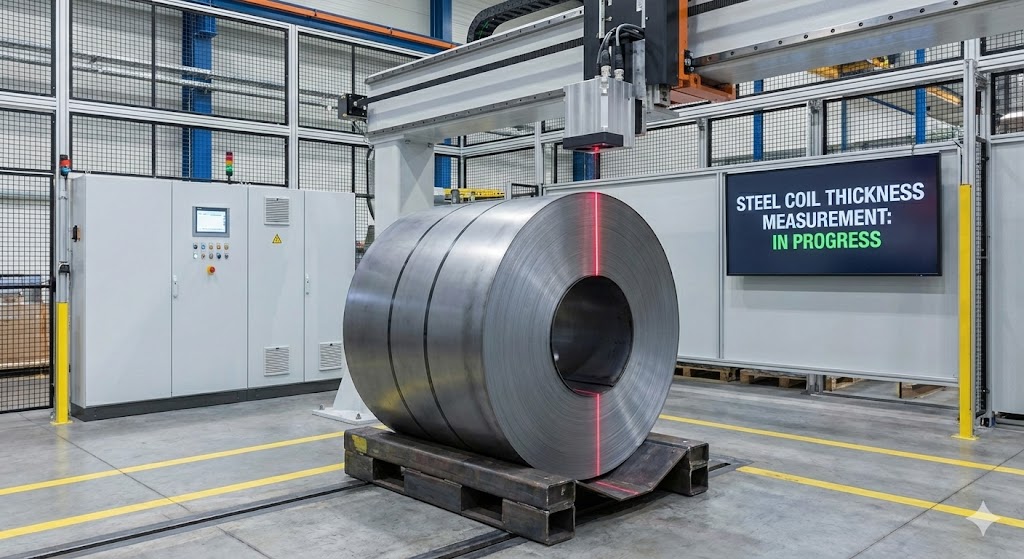
Another sophisticated application is run-out measurement. The tire is rotated on a spindle, and a laser sensor measures the variation in distance as it scans the sidewall or tread shoulder. This data identifies radial and lateral run-out—essentially quantifying the "wobble" or non-uniformity of the tire. Excessive run-out can cause vibrations in a vehicle, leading to driver discomfort and premature wear. By precisely identifying these deviations, manufacturers can grade tires accordingly or identify process issues in the curing molds.
The advantages over traditional contact methods, like probe gauges, are substantial. The non-contact nature eliminates tool wear, mechanical damage to soft rubber, and the need for frequent recalibration. Measurement speeds are orders of magnitude faster, enabling in-line, real-time process control rather than slow, off-line sample checking. The data generated is digital and readily integrated into Statistical Process Control (SPC) systems, facilitating trend analysis, predictive maintenance, and continuous process optimization.
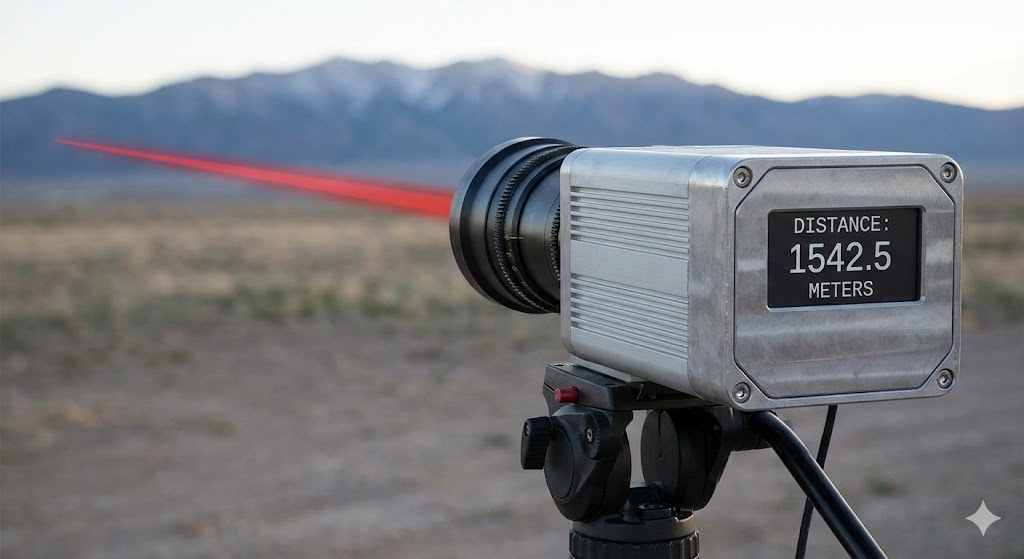
Looking forward, the integration of laser displacement sensors with robotics and advanced machine vision systems is setting the stage for the "smart factory." Robots equipped with laser scanners can perform flexible, automated inspection of tires in any orientation. Furthermore, the rich dataset from these sensors is a key component of Industry 4.0, feeding digital twin models and enabling closed-loop control of the entire manufacturing process.
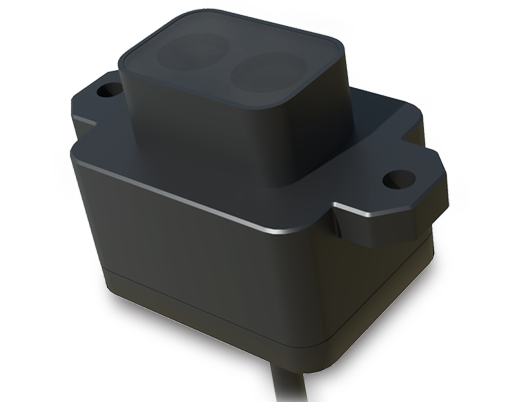
In conclusion, laser displacement sensors are no longer just a quality assurance tool; they are a fundamental enabler of precision, efficiency, and consistency in tire manufacturing. By providing reliable, high-resolution measurement data at critical stages, they empower manufacturers to produce safer, higher-performance tires while optimizing production costs and reducing waste. As tire technology advances with new materials and complex designs, the role of these sophisticated sensors will only become more central to innovation and quality excellence in the industry.