Laser phase measurement sensors represent a critical advancement in precision instrumentation, widely utilized across electrical engineering, industrial automation, and research sectors. These sensors operate on the principle of interferometry, where a laser beam is split into two paths: a reference beam and a measurement beam. When the measurement beam reflects off a target surface and recombines with the reference beam, the phase difference between the two beams is analyzed to determine parameters such as displacement, vibration, or surface topography with nanometer-scale accuracy.
The core mechanism involves modulating the laser's phase and detecting changes through photodetectors. As the target moves, the optical path length alters, causing a shift in the interference pattern. This shift is converted into electrical signals via sophisticated signal processing algorithms, enabling real-time monitoring and control. Key components include a coherent laser source (often helium-neon or semiconductor lasers), beam splitters, mirrors, and high-speed photodetectors integrated with digital signal processors (DSPs).
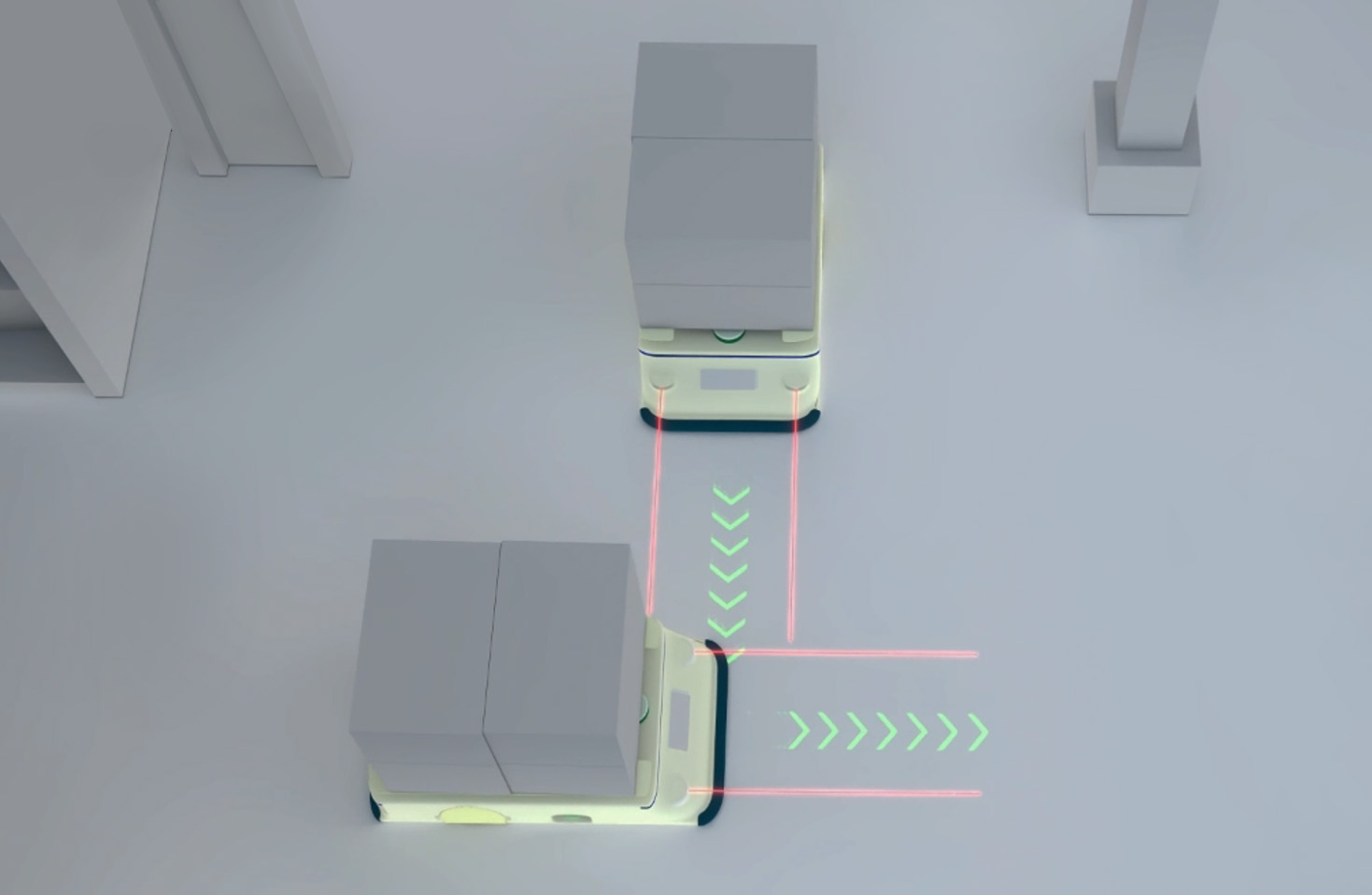
In electrical engineering, these sensors are indispensable for applications like alignment of high-voltage equipment, calibration of robotic arms in manufacturing lines, and vibration analysis in turbines or transformers. For instance, in power generation facilities, laser phase sensors monitor rotor dynamics to prevent mechanical failures, ensuring operational safety and efficiency. Additionally, they facilitate non-contact measurements in hazardous environments, reducing risks associated with high-voltage or high-temperature settings.
Recent innovations have enhanced sensor capabilities, such as integrating fiber-optic technology for remote sensing and employing frequency-modulated continuous-wave (FMCW) techniques to extend measurement ranges. Challenges persist, including sensitivity to environmental factors like temperature fluctuations and air turbulence, which can introduce noise. Engineers mitigate these issues through calibration protocols and adaptive filtering methods.
The future of laser phase measurement sensors lies in miniaturization and IoT connectivity, enabling smart grid monitoring and predictive maintenance in electrical systems. As industries embrace automation and Industry 4.0, these sensors will play a pivotal role in advancing precision engineering, driving efficiency, and reducing downtime. For professionals in the field, mastering their operation and integration is essential for staying competitive in a technology-driven landscape.