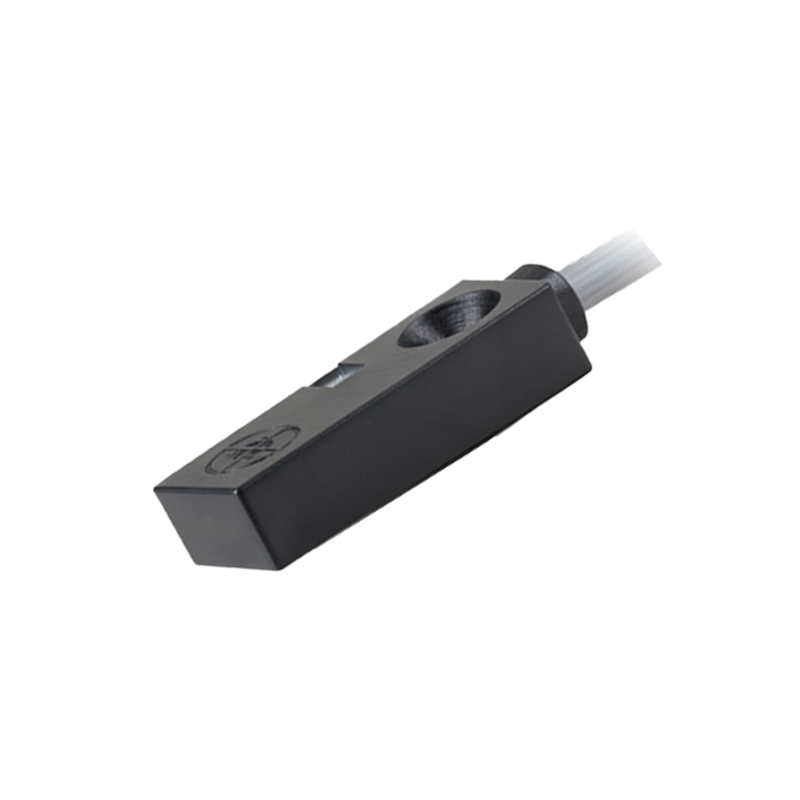
Proximity sensors have become indispensable components in modern industrial automation, offering non-contact detection of objects with high precision and reliability. These sensors are widely used across various manufacturing sectors, including automotive, packaging, electronics, and robotics, to enhance efficiency, safety, and quality control. Unlike mechanical switches, proximity sensors operate without physical contact, reducing wear and tear and minimizing maintenance needs. They detect the presence or absence of objects within a specified range, triggering actions such as stopping a conveyor belt, counting items, or positioning machinery.
There are several types of proximity sensors, each suited to specific applications based on their detection principles. Inductive proximity sensors are ideal for detecting metallic objects, utilizing electromagnetic fields to sense ferrous and non-ferrous metals. They are commonly employed in metalworking, machining, and assembly lines where durability and resistance to harsh environments are crucial. Capacitive proximity sensors, on the other hand, can detect both metallic and non-metallic materials, including liquids, plastics, and glass. This versatility makes them valuable in food processing, pharmaceutical, and chemical industries, where material diversity is common. Ultrasonic proximity sensors use sound waves to measure distance and detect objects, excelling in applications requiring long-range detection or challenging conditions like dust, moisture, or temperature variations. They are often found in level monitoring, material handling, and automated guided vehicles (AGVs). Finally, photoelectric proximity sensors rely on light beams to sense objects, offering high-speed detection and flexibility in sensing transparent or reflective surfaces. These sensors are prevalent in packaging, printing, and electronics manufacturing.
The selection of a proximity sensor depends on multiple factors, such as the target material, sensing distance, environmental conditions, and required output. For instance, in high-speed production lines, sensors with fast response times and robust housing are essential to prevent downtime. In corrosive or explosive atmospheres, sensors with appropriate certifications (e.g., ATEX, IECEx) ensure safety and compliance. Additionally, modern proximity sensors often feature advanced functionalities like programmability, self-diagnosis, and connectivity to industrial networks (e.g., IO-Link, Ethernet/IP), enabling seamless integration into Industry 4.0 systems. This connectivity allows for real-time data collection, predictive maintenance, and enhanced process optimization, contributing to smarter manufacturing ecosystems.
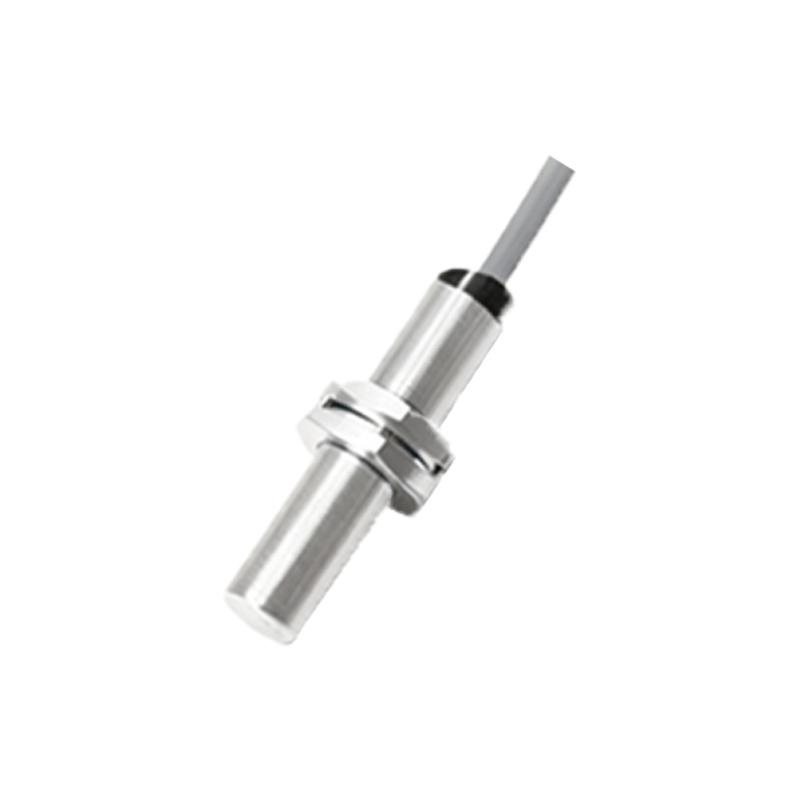
Installation and calibration are critical to maximizing sensor performance. Proper mounting, alignment, and shielding from interference sources (e.g., electrical noise, adjacent metal) prevent false triggers and ensure accurate detection. Regular maintenance, including cleaning lenses or sensing faces and checking wiring, extends sensor lifespan and maintains operational reliability. As manufacturing evolves with trends like automation and IoT, proximity sensors continue to advance, offering higher precision, smaller form factors, and improved energy efficiency. Their role in enabling efficient, safe, and cost-effective production processes underscores their importance in the electrical and industrial engineering landscape.
In summary, proximity sensors are vital tools for modern manufacturing, providing non-contact detection solutions that boost productivity and reduce operational costs. By understanding their types, applications, and integration best practices, engineers and technicians can leverage these devices to optimize industrial systems and drive innovation in an increasingly automated world.