In the rapidly evolving landscape of industrial automation, miniature proximity sensors have become indispensable components, enabling precise, non-contact detection in space-constrained applications. These compact devices are critical for enhancing efficiency, ensuring safety, and optimizing processes across manufacturing, packaging, robotics, and automotive sectors. Selecting the right brand is paramount, as it directly impacts reliability, durability, and system integration. This article explores leading brands that have set industry benchmarks through innovation, quality, and performance.
Sick AG, a German powerhouse, is renowned for its high-precision sensors and robust designs. Their miniature inductive and capacitive proximity sensors offer exceptional switching frequencies and resistance to environmental challenges like dust, moisture, and temperature fluctuations. With a global service network, Sick provides tailored solutions for complex automation tasks, making them a top choice for demanding industries.
Omron Corporation, a Japanese leader, excels in combining miniaturization with advanced functionality. Their E2E and E2A series sensors are celebrated for long operational life and stable detection capabilities. Omron integrates smart features such as IO-Link communication, allowing for real-time data exchange and predictive maintenance, which aligns with Industry 4.0 trends. Their products are widely used in electronics assembly and automotive manufacturing.
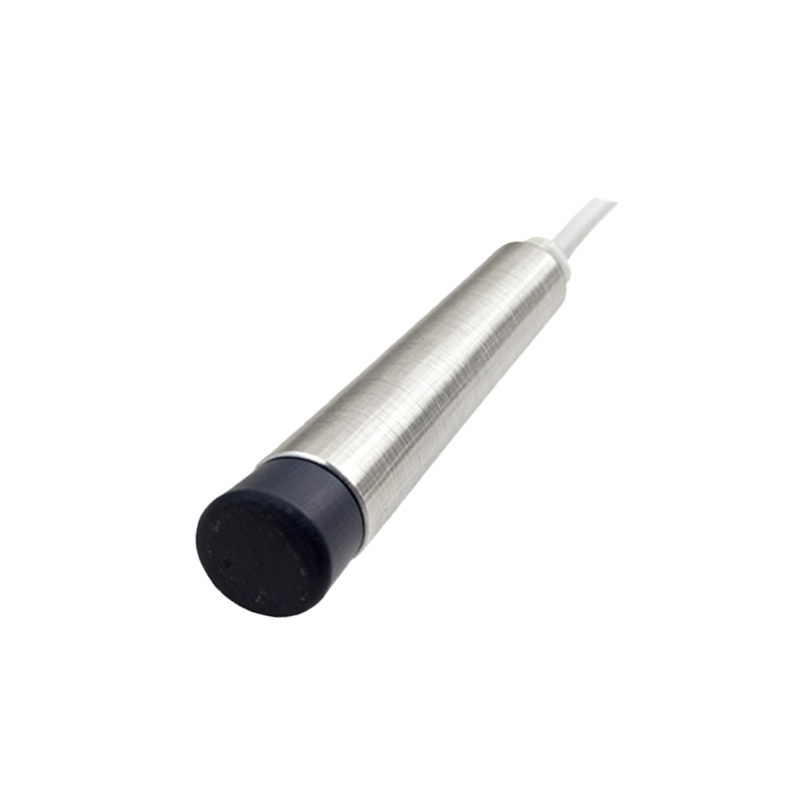
Pepperl+Fuchs, another German specialist, focuses on intrinsic safety and explosion-proof designs, catering to hazardous environments. Their miniature sensors boast high immunity to electromagnetic interference and offer versatile mounting options. The brand’s emphasis on customization and technical support ensures seamless integration into diverse automation systems, from conveyor belts to robotic arms.
Balluff GmbH, based in Germany, stands out for its innovative hybrid sensors that combine multiple detection principles in one compact housing. This versatility reduces installation space and wiring complexity. Balluff’s miniature sensors feature robust metal housings and are compatible with major industrial protocols, enhancing flexibility in smart factory setups.
IFM Electronic, a global player, prioritizes user-friendly design and diagnostic capabilities. Their miniature proximity sensors include LED indicators for easy status monitoring and quick troubleshooting. IFM’s products are known for high repeat accuracy and resilience in harsh conditions, making them ideal for food processing and material handling applications.
Key considerations when choosing a brand include sensing range, output type (e.g., PNP/NPN), housing material, and environmental ratings. Miniature proximity sensors typically operate on inductive, capacitive, or magnetic principles, each suited to specific target materials and conditions. Brands that offer comprehensive documentation, certification (e.g., CE, UL), and local distributor support add significant value.
Emerging trends, such as the integration of IIoT connectivity and energy-efficient designs, are driving brand innovation. Leading manufacturers are investing in R&D to produce even smaller sensors with enhanced smart features, reducing downtime and total cost of ownership. As automation becomes more pervasive, the role of these sensors will only grow, underscoring the importance of selecting a trusted brand.
In summary, Sick, Omron, Pepperl+Fuchs, Balluff, and IFM represent the forefront of miniature proximity sensor technology. Their commitment to quality, innovation, and customer support makes them reliable partners for engineers and system integrators worldwide. By evaluating application-specific needs and brand strengths, professionals can optimize their automation systems for peak performance.