In the realm of industrial automation and machine safety, proximity photoelectric sensors, particularly the widely utilized 20 series models, stand as critical components for non-contact detection. These sensors operate on the principle of emitting a beam of light—typically infrared, visible red, or laser—and detecting changes in the received light intensity or time-of-flight to sense the presence, absence, or position of an object. The "20" designation often refers to a common housing size or form factor, characterized by a compact, cylindrical design with a 20mm diameter, making them versatile for installation in space-constrained environments.
The core technology behind a 20 proximity photoelectric sensor involves three primary operating modes: through-beam, retro-reflective, and diffuse reflective. Through-beam sensors consist of separate emitter and receiver units; an object is detected when it interrupts the light beam. This mode offers the longest sensing ranges and highest reliability, ideal for precise positioning or counting tasks. Retro-reflective models house both emitter and receiver in a single unit, using a reflector to bounce the light back. They provide a good balance of range and simplicity, though they can be fooled by highly reflective objects. Diffuse reflective sensors, also self-contained, detect light reflected directly from the target object itself. Their sensing distance depends on the object's color, texture, and reflectivity, making them suitable for applications where installing a reflector or separate receiver is impractical.
Key performance specifications for 20 series sensors include sensing range, response time, light source type, and output configuration. Sensing ranges can vary from a few centimeters to several meters, with laser-based versions enabling precise detection at longer distances. Fast response times, often in the microsecond range, are crucial for high-speed production lines. Outputs are typically solid-state (PNP or NDC) or relay-based, interfacing directly with PLCs (Programmable Logic Controllers) or other control systems. Many modern 20 sensors feature advanced functionalities like background suppression, which allows them to ignore objects beyond a set distance, and teach-in programming for easy setup.
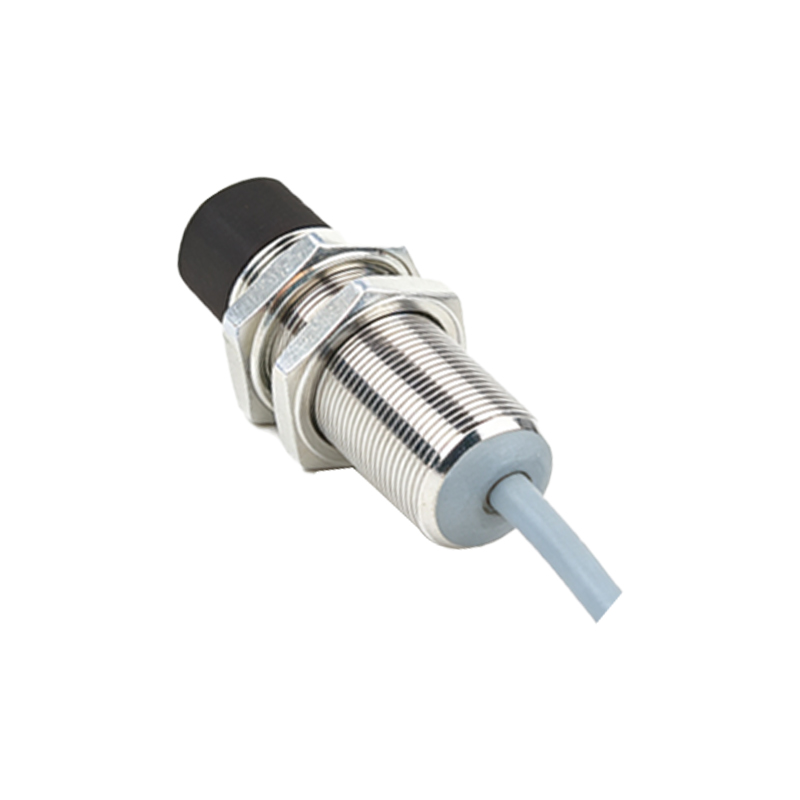
The application spectrum for 20mm proximity photoelectric sensors is vast. In packaging machinery, they detect labels, count products, and monitor fill levels. On assembly lines, they verify component presence and orientation. In material handling, they control conveyor systems and manage pallet positioning. Their robust construction, often rated IP67 or higher for dust and water resistance, ensures reliable operation in harsh industrial environments with exposure to oil, coolant, and vibration. Furthermore, their immunity to electrical noise and ability to detect a wide variety of materials—including glass, plastic, metal, and liquids—make them superior to inductive proximity sensors in many scenarios.
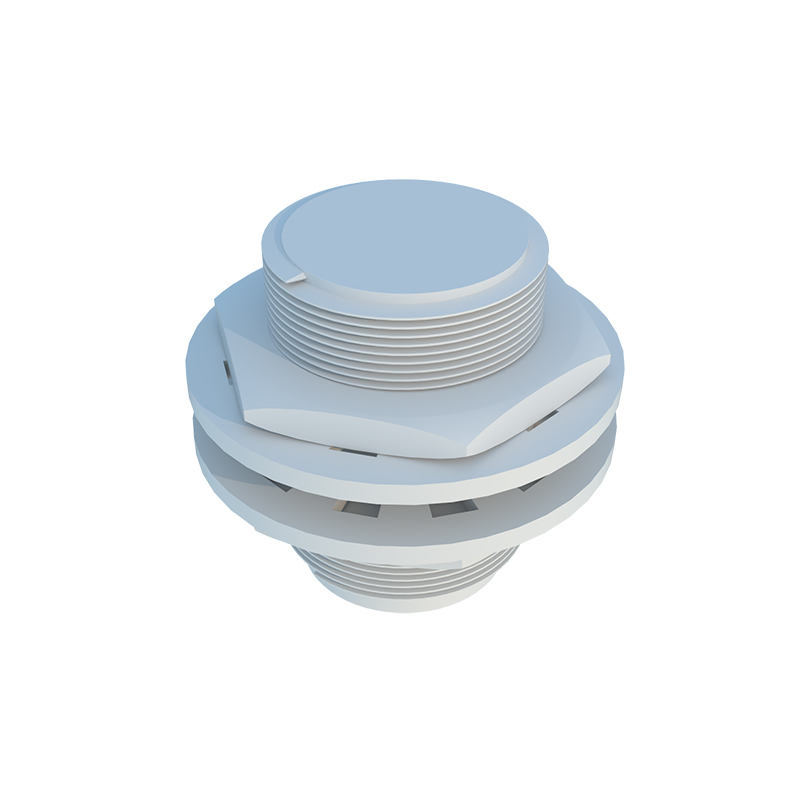
Selecting the right 20 proximity sensor requires careful consideration of the target object (size, material, color), required sensing distance, environmental conditions (ambient light, contaminants), and electrical requirements. Proper alignment, mounting, and periodic lens cleaning are essential for maintaining optimal performance. As Industry 4.0 advances, these sensors are increasingly equipped with IO-Link communication, enabling digital parameter setting, real-time diagnostics, and predictive maintenance data integration into networked control systems. In conclusion, the 20 series proximity photoelectric sensor remains a fundamental, adaptable, and powerful tool for engineers seeking to enhance automation efficiency, safety, and intelligence across countless industrial processes.