In the rapidly evolving landscape of industrial manufacturing, laser cutting technology stands as a cornerstone of precision and efficiency. Central to the performance of these systems are laser cutting sensors, which play a critical role in ensuring accuracy, maintaining quality, and optimizing operational workflows. For engineers, procurement specialists, and business decision-makers, understanding the factors influencing laser cutting sensor prices is essential for making informed capital investment and operational budgeting decisions.
The price range for laser cutting sensors is broad, typically spanning from approximately $500 to over $15,000 per unit. This significant variance is not arbitrary but is dictated by a complex interplay of technological specifications, brand positioning, and functional capabilities. Entry-level sensors, often priced between $500 and $2,500, are generally designed for basic applications. These units typically offer standard measurement ranges, moderate accuracy (often in the range of ±10 to ±50 microns), and simpler interfaces. They are suitable for less demanding environments or for companies integrating sensor technology for the first time.
Mid-range sensors, occupying the $2,500 to $8,000 bracket, represent the most common procurement segment for serious manufacturing operations. These sensors offer enhanced features such as higher measurement accuracy (reaching ±1 to ±5 microns), faster response times, improved resistance to environmental interference (e.g., dust, smoke, or spatter), and more robust communication protocols like EtherCAT or PROFINET. They often incorporate advanced functionalities like automatic focal length adjustment, real-time seam tracking, or basic adaptive control algorithms, directly contributing to reduced material waste and higher throughput.
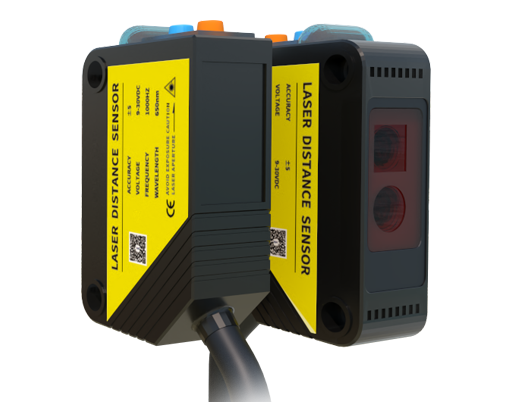
The premium segment, above $8,000 and extending beyond $15,000, is reserved for high-end, application-specific sensors. These are characterized by exceptional precision (sub-micron accuracy), ultra-high-speed data acquisition for dynamic cutting processes, integrated AI-driven predictive maintenance capabilities, and exceptional durability in extreme conditions (e.g., high-temperature environments near plasma or heavy spatter zones). Sensors from established industry leaders like Precitec, Micro-Epsilon, or Keyence often command prices in this tier, justified by their reliability, extensive R&D, and comprehensive global support networks.
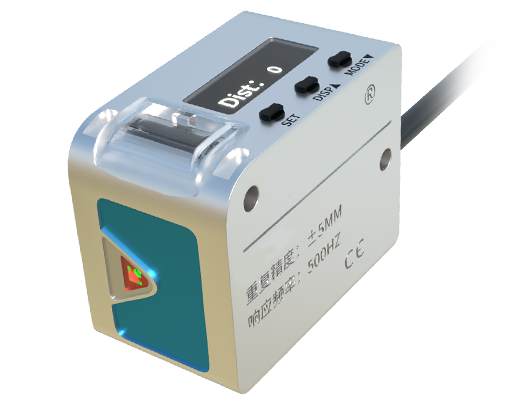
Several core factors directly dictate the final price point. Firstly, the measurement principle is fundamental. Comparative low-coherence interferometry (LCI) sensors, known for extreme accuracy, are significantly more expensive than triangulation-based laser sensors or simpler capacitive sensors. Secondly, the performance specifications are paramount: a sensor with a 200mm measurement range, 0.1% linearity, and a 50kHz sampling rate will be priced higher than one with a 50mm range, 1% linearity, and a 1kHz rate. Thirdly, the level of integration and intelligence is a growing cost driver. A "smart" sensor with an embedded industrial PC for on-board data processing and closed-loop control commands a premium over a "dumb" sensor that merely outputs a raw signal.
Additional cost considerations include the brand's market reputation and the associated warranty and service packages. Furthermore, the required ancillary components—such as specialized mounting hardware, protective housings (e.g., air-cooled or water-cooled jackets for proximity to the cutting head), and compatible amplifier units—can add 15-30% to the total system cost. For OEMs integrating sensors into new laser cutter designs, volume purchasing agreements can substantially reduce the per-unit cost, whereas maintenance and replacement purchases for existing systems often carry a higher price tag.
Current market trends indicate a gradual decrease in prices for standard-specification sensors due to increased competition and manufacturing scale, particularly from Asian manufacturers. However, the cost for cutting-edge sensors incorporating AI, machine learning for process optimization, and advanced multi-sensor fusion technology continues to rise, reflecting the value of these innovations. The Total Cost of Ownership (TCO) is a crucial metric often overlooked. A higher-priced, more reliable sensor from a reputable brand may offer lower long-term costs through reduced downtime, fewer calibration cycles, and longer service intervals compared to a cheaper, less robust alternative.
In conclusion, navigating the laser cutting sensor market requires a strategic assessment that goes beyond the initial purchase price. Engineers must perform a detailed technical evaluation matching sensor specifications to their specific application requirements—material type, thickness, desired cut quality, and production speed. Simultaneously, financial planners must consider TCO, weighing upfront investment against long-term operational efficiency, maintenance costs, and potential gains in yield and quality. By synthesizing technical and economic analyses, businesses can optimize their investment, ensuring their laser cutting operations remain competitive, precise, and profitable in the global manufacturing arena.