Step onto the bustling production floor of a modern proximity sensor manufacturing facility, and you enter a world where precision engineering meets automated efficiency. The air carries a faint, clean scent of ozone and new electronics, a testament to the intricate processes underway. Rows of brightly lit assembly lines stretch into the distance, each station a critical node in the sensor's birth. The journey begins at the SMT (Surface Mount Technology) lines, where robotic pick-and-place machines, with movements faster than the human eye can follow, populate printed circuit boards (PCBs) with microscopic capacitors, resistors, and the core integrated circuits. A fine mist of flux hangs in the light as solder paste is precisely applied before boards glide into reflow ovens, emerging with components perfectly bonded.
Nearby, the housing assembly lines present a different rhythm. Here, high-grade plastics and metals are molded and machined into the robust, often cylindrical, casings that will protect the sensitive internal electronics. Injection molding machines hiss and clamp, ejecting perfect sensor bodies into bins. Workers in anti-static coats and gloves, aided by precision jigs, carefully thread and seal the sensing face—a critical component often made from specialized polymers or ceramics that allow the magnetic or electromagnetic field to penetrate. The atmosphere is one of controlled focus, with quality checks at every turn. Microscopes and magnifying lamps are common sights, as technicians verify coil winding integrity on inductive sensor cores or inspect the alignment of infrared LEDs and phototransistors in optical variants.
The heart of the operation is the calibration and testing zone. This area hums with a lower frequency, punctuated by the soft beeps of passing units. Each assembled sensor is connected to automated test rigs that simulate real-world conditions. For inductive sensors, metal targets of specified materials and distances are presented, and the sensor's switching point is measured and digitally adjusted to within micron-level tolerances. Capacitive sensors undergo similar rigorous checks for sensitivity to different materials. The data from each test is logged against the sensor's unique serial number, ensuring full traceability. Failed units are diverted to diagnostic benches for analysis, their fate determined by engineers scrutinizing waveforms on oscilloscopes.
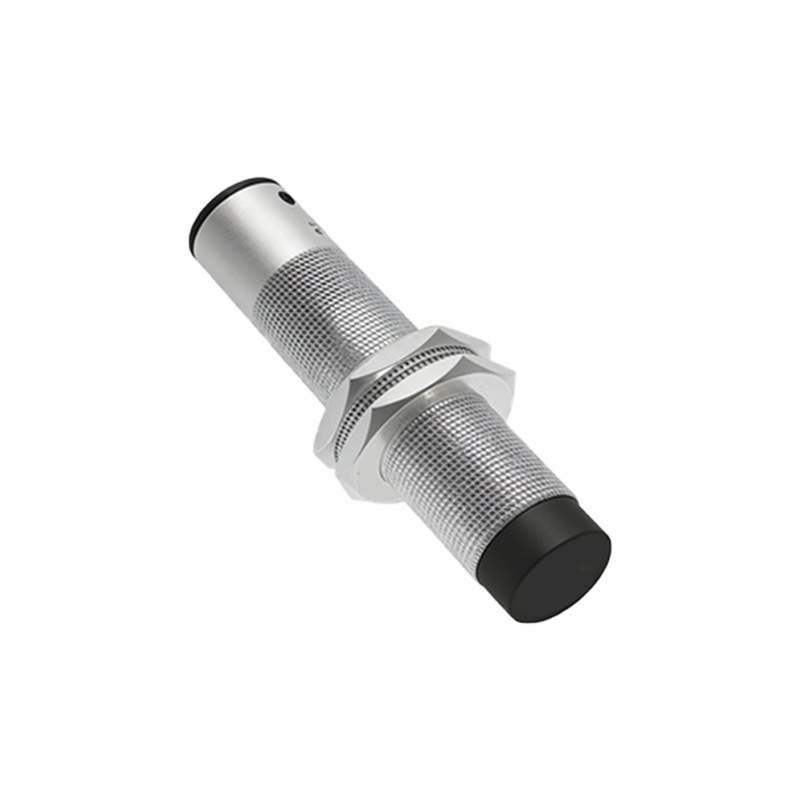
The final stages are about protection and identity. Sensors destined for harsh industrial environments pass through stations where they are potted with epoxy resin, creating a waterproof and shockproof seal. Laser engravers then etch part numbers, ratings, and logos onto the metal or plastic housing with crisp, permanent markings. On the packaging line, sensors are placed into anti-static bags, paired with their technical documentation, and boxed for shipping. The paletteized boxes, stamped with barcodes and destination labels, stand ready at the loading dock, a tangible product of the symphony of automation, skilled labor, and rigorous quality control captured in these production floor images. This visual journey underscores the marriage of advanced technology and meticulous human oversight required to produce the reliable, unseen sentinels that enable automation across global industries.