In the realm of industrial automation and control systems, proximity sensors are indispensable components. They provide non-contact detection of objects, enabling precise, reliable, and maintenance-free operation in harsh environments. Selecting the right proximity sensor is critical for optimizing machine performance, ensuring safety, and improving overall efficiency. This article delves into the primary types of proximity sensors, their operating principles, and key selection criteria to guide engineers and technicians in making informed decisions.
The fundamental principle behind proximity sensors is the detection of a target object's presence or absence without physical contact. This is achieved through various technologies, each with distinct advantages and limitations. The most common categories include inductive, capacitive, ultrasonic, and photoelectric sensors.
Inductive proximity sensors are the workhorses of metal detection. They generate an electromagnetic field from a coil in the sensing face. When a metallic target enters this field, it induces eddy currents, causing a change in the oscillation amplitude. The sensor's circuitry detects this change and triggers a switching output. These sensors are highly robust, resistant to dirt, dust, and moisture (often rated IP67 or higher), and offer excellent repeatability. They are ideal for detecting ferrous and non-ferrous metals in applications like machine tools, conveyor systems, and robotic end-effectors. Key specifications include sensing range (typically up to 60mm for standard models), target material (steel, aluminum, brass), and output type (PNP/NPN, NO/NC).
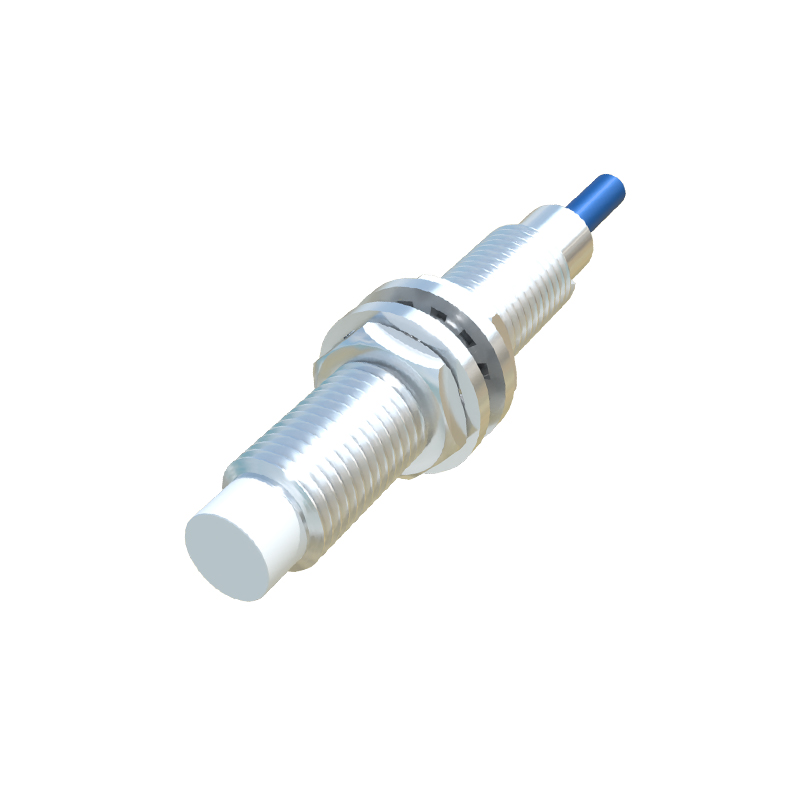
Capacitive proximity sensors can detect both metallic and non-metallic materials, such as plastics, glass, wood, and liquids. They function by generating an electrostatic field. The presence of any material with a dielectric constant different from air alters the capacitance of the sensing circuit, triggering the output. This makes them versatile for level detection of powders or liquids in tanks, material handling of non-metallic objects, and presence detection through thin non-metallic walls. Their sensing range is generally shorter than inductive sensors and can be influenced by environmental factors like humidity.
Ultrasonic sensors operate by emitting high-frequency sound waves and evaluating the reflected echo. They measure the time interval between sending the signal and receiving the echo to calculate the distance to the target. This technology is effective for detecting objects of virtually any material, shape, or color, and is suitable for long-range detection (up to several meters) and precise distance measurement. Common applications include palletizing, loop control, and liquid level sensing in transparent containers. However, they can be affected by temperature variations, air turbulence, and highly absorbent surfaces.
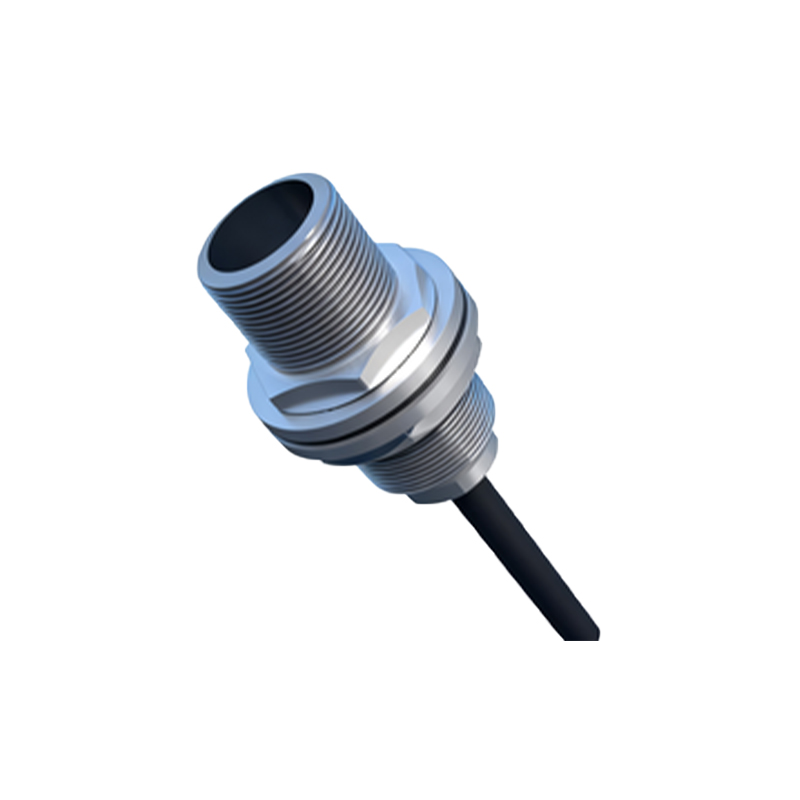
Photoelectric sensors utilize a light beam (visible red, infrared, or laser) for detection. They come in three main configurations: through-beam, retro-reflective, and diffuse reflective. Through-beam models, with separate emitter and receiver units, offer the longest range and highest reliability. Retro-reflective types use a single unit and a reflector, while diffuse sensors detect light reflected directly from the target. Photoelectric sensors excel at detecting small objects, offer very long ranges, and can sense any material that interrupts or reflects the light beam. They are sensitive to environmental contaminants like dust, fog, or dirt on the lens.
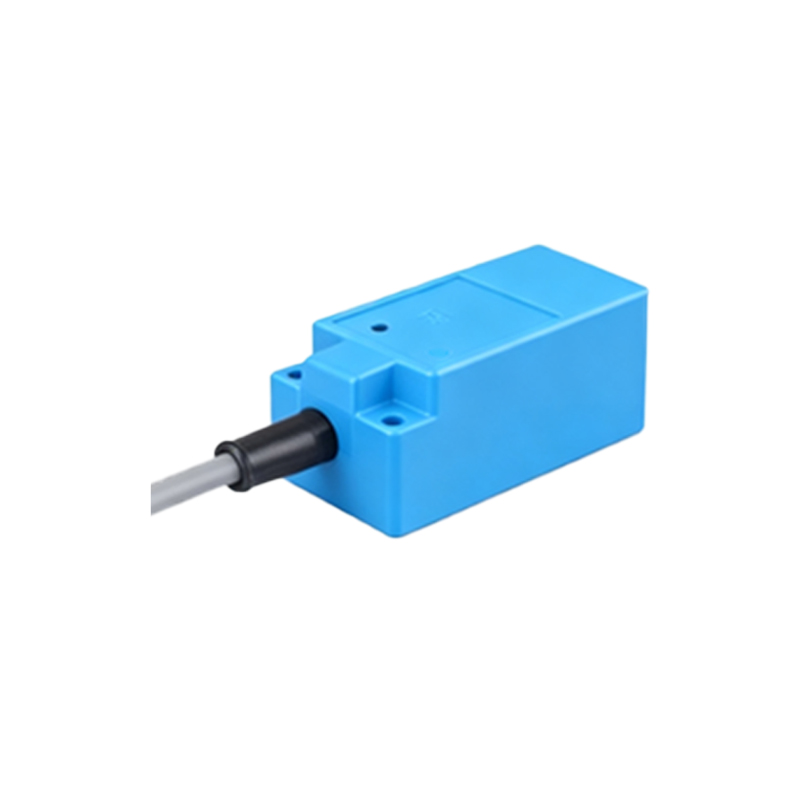
When selecting a proximity sensor, engineers must consider a comprehensive set of application parameters. The target material is the primary determinant—inductive for metals, capacitive for diverse materials, ultrasonic for long-range or challenging surfaces, and photoelectric for precise position or small parts. The required sensing distance, including a safety margin, is crucial. Environmental conditions such as temperature extremes, washdown requirements (IP69K), exposure to chemicals, or heavy vibration dictate the housing material (e.g., stainless steel, PBT plastic) and ingress protection rating.
Electrical characteristics are equally important. The operating voltage (commonly 10-30V DC or 90-250V AC), output type (digital switch, analog, IO-Link), and current capacity must match the control system. Physical constraints like sensor size, shape (barrel, rectangular), and mounting style (flush or non-flush for inductive) must fit the mechanical design. Finally, connectivity options, such as pre-wired cables or quick-disconnect connectors, influence installation and maintenance ease.
Emerging trends include the integration of smart sensor features via IO-Link communication, which enables parameter setting, condition monitoring, and diagnostic data transmission directly to the controller. This facilitates predictive maintenance and flexible production line changes. Furthermore, miniaturization continues to advance, allowing sensors to fit into increasingly compact machinery.
In conclusion, there is no universal "best" proximity sensor. The optimal choice is a calculated compromise based on the specific application's technical demands, environmental challenges, and economic constraints. A thorough analysis of the target, environment, and performance requirements will lead to the selection of a sensor that ensures reliability, longevity, and precision, thereby enhancing the productivity and safety of any industrial operation. Consulting detailed manufacturer datasheets