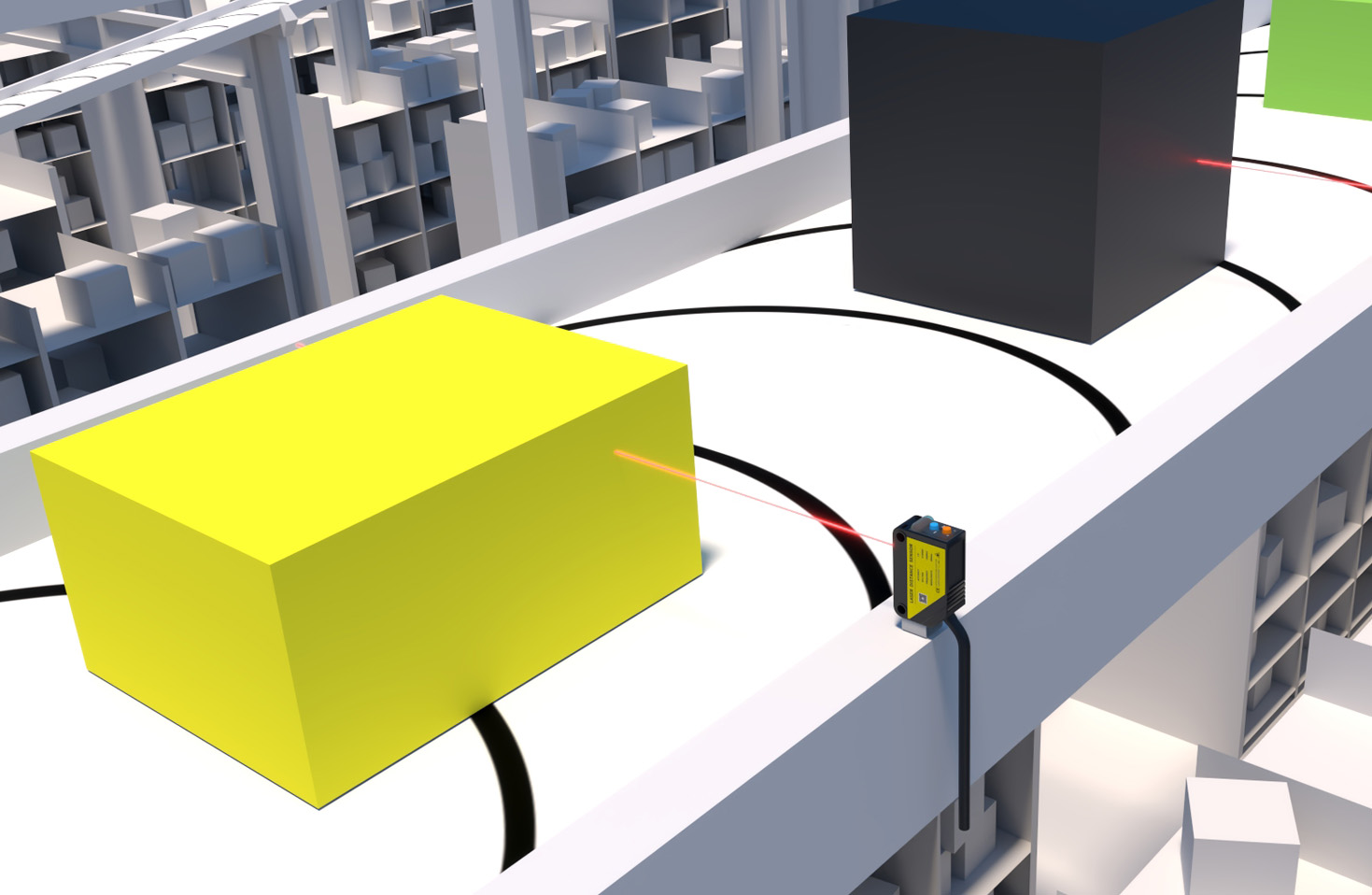
In industrial and environmental monitoring, accurately assessing fog density and particle distribution is critical for safety, operational efficiency, and data collection. Laser sensors, particularly those based on light scattering principles, have become the premier technology for this task. Unlike traditional mechanical or capacitive methods, laser sensors offer non-contact, real-time measurement with high precision and minimal maintenance.
The core operating principle involves emitting a focused laser beam into the target atmosphere. As the light encounters fog particles—tiny water droplets or ice crystals suspended in air—it scatters in multiple directions. A photodetector within the sensor, positioned at a specific angle (often 90° or 180° backscatter), collects the scattered light intensity. This intensity is directly proportional to the number and size of particles within the measurement volume. Sophisticated algorithms then convert this optical signal into quantitative data, such as visibility distance in meters, particle concentration (e.g., particles per cubic centimeter), or liquid water content (LWC).
Two primary laser-based techniques dominate this field. Lidar (Light Detection and Ranging) systems are powerful for long-range atmospheric probing, often used in meteorological stations and airport visibility systems. They measure the time delay and intensity of the reflected signal to map fog layers and density gradients over several kilometers. For more localized, in-situ measurements, Nephelometers or laser diffraction sensors are preferred. These compact devices, suitable for industrial installations like mining operations, highway tunnels, or precision agriculture, provide continuous, point-specific data on particle size distribution and mass concentration.
The advantages of laser sensors for fog measurement are substantial. Their high sensitivity allows detection of even low concentrations of mist or haze. The response time is virtually instantaneous, enabling real-time alerts for rapidly deteriorating visibility conditions—a vital feature for automotive safety systems (e.g., adaptive headlights) and aviation. Furthermore, as non-contact instruments, they avoid issues like sensor fouling or contamination that plague contact-based probes, ensuring long-term reliability and reduced downtime.
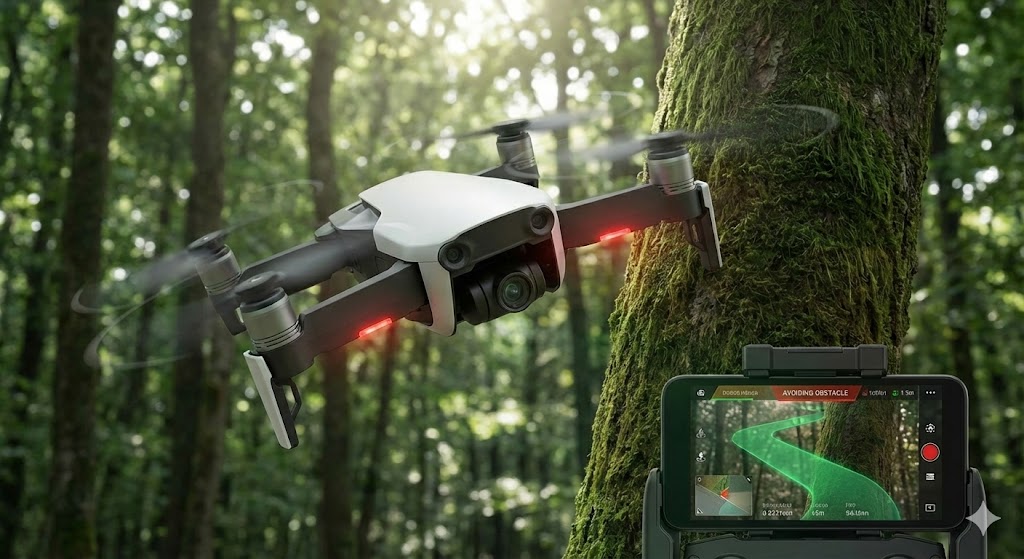
However, practical deployment requires careful consideration. Calibration is paramount, as different particle compositions (water fog, industrial smog, dust) scatter light differently. Advanced multi-wavelength sensors can help distinguish particle types. Environmental factors like heavy rain, direct sunlight, or extreme background light can introduce noise; thus, proper housing, optical filters, and signal processing are essential. For industrial IoT integration, modern laser sensors offer digital outputs (e.g., Modbus, 4-20mA) for seamless connectivity with SCADA or cloud-based monitoring platforms.
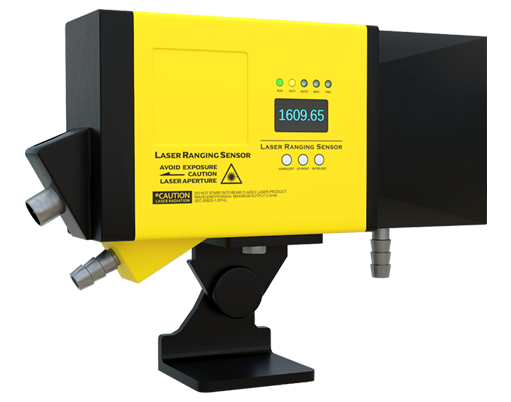
Applications are diverse. In transportation, laser sensors integrated into roadside units or vehicle sensors enhance traffic management and autonomous driving algorithms by providing precise visibility data. In agriculture, they monitor fog and humidity levels in greenhouses to optimize irrigation and prevent fungal growth. Industrial facilities use them to ensure safe working conditions in areas where fog or steam from cooling processes could obscure hazards. Environmental scientists deploy portable laser sensors to study fog formation, dispersion, and its role in local ecosystems.
Looking ahead, the evolution of laser sensing technology points toward miniaturization, lower power consumption, and enhanced AI-driven analytics. The integration of machine learning can enable sensors to not only measure density but also predict fog formation trends based on historical and real-time data. As the demand for precise environmental sensing grows across smart cities, industrial automation, and climate research, laser sensors will remain at the forefront, providing the clear data needed to navigate and manage obscured conditions.
In conclusion, laser sensors transform an elusive atmospheric phenomenon into precise, actionable data. By leveraging the physics of light scattering, they deliver unmatched accuracy in measuring fog, directly contributing to safety, efficiency, and scientific understanding in a world where visibility is often critical.