In the rapidly evolving landscape of industrial automation, proximity sensors stand as critical components for enabling non-contact detection, enhancing efficiency, and ensuring safety. These devices, which detect the presence or absence of an object without physical contact, are integral to countless applications, from assembly lines and robotic systems to automotive manufacturing and packaging machinery. The global market for these sensors is highly competitive, driven by technological innovation, reliability, and the ability to meet diverse industrial demands. This article provides an overview of prominent companies that are leading the charge in the design, manufacturing, and supply of high-quality proximity sensors.
A cornerstone in the field of factory automation and industrial control, Omron Corporation is a Japanese multinational renowned for its comprehensive sensor portfolio. Omron's proximity sensors, including inductive, capacitive, and magnetic types, are celebrated for their durability, precision, and advanced features like noise resistance and embedded diagnostics. Their E2E and E2A series are industry standards, widely adopted for their robust performance in harsh environments. The company's strong focus on R&D ensures continuous innovation, particularly in miniaturization and IoT connectivity, making them a preferred partner for smart manufacturing initiatives.
Hailing from Germany, Sick AG is another global leader in sensor intelligence and industrial applications. Sick offers an extensive range of proximity sensors known for exceptional quality and application-specific solutions. Their product lines cater to demanding tasks such as precise position detection, small part recognition, and operation in extreme conditions. Sick's expertise in integrating sensing technology with safety systems further solidifies its position, providing holistic solutions that go beyond simple detection to encompass machine safety and process optimization.
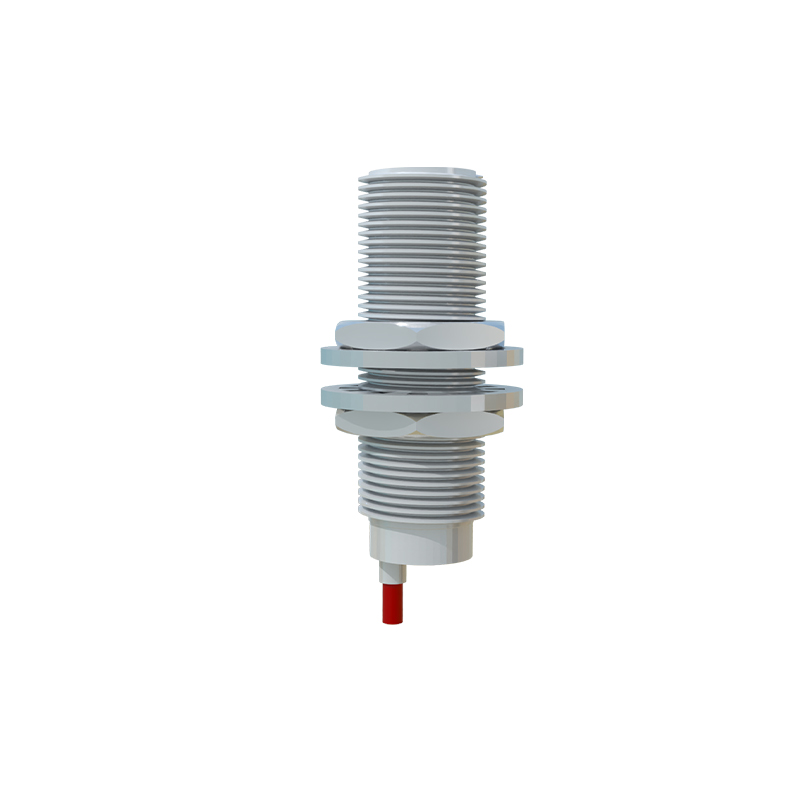
Pepperl+Fuchs, a German specialist in intrinsic safety and sensor technology, has built a formidable reputation, particularly in hazardous areas and challenging industrial settings. Their inductive and capacitive proximity sensors are engineered for maximum reliability and longevity. The company is a pioneer in developing sensors for explosion-proof zones (ATEX/IECEx certifications), making them indispensable in industries like oil & gas, chemical, and pharmaceutical. Their innovative designs often focus on ease of installation, maintenance, and seamless integration into control networks.
As a major player in electrical equipment and automation, Rockwell Automation (Allen-Bradley) provides a robust lineup of proximity sensors that are fully compatible with their integrated control and information solutions. Their sensors are designed for seamless interoperability within the Rockwell ecosystem, offering features that simplify configuration and diagnostics through software like Studio 5000. This integration-centric approach is highly valued in large-scale automation projects where consistency and data flow from the sensor to the control level are paramount.
Balluff GmbH, a German sensor and automation specialist, is highly regarded for its innovative and high-performance sensor solutions. Balluff's proximity sensors are known for their compact designs, high switching frequencies, and exceptional resistance to environmental factors like welding spatter and coolants. The company also excels in providing sophisticated RFID systems and industrial networking solutions, often combining proximity sensing with identification technologies to create smarter, more data-rich automation points.

From Switzerland, Baumer Group focuses on delivering high-precision sensors and measuring instruments. Baumer's proximity sensors are characterized by their Swiss precision, offering excellent repeatability, temperature stability, and a wide variety of housing materials and forms. They serve niche and high-end applications where measurement accuracy and sensor longevity are critical, including the food & beverage, semiconductor, and medical technology industries.
While many leaders are based in Europe and Japan, several other key suppliers contribute significantly to the market. IFM Electronic, another German powerhouse, is famous for its user-friendly, reliable sensors and a vast product range that covers nearly every industrial need. Turck, also from Germany, offers a versatile portfolio, including particularly rugged sensors and innovative multipurpose devices. In the United States, companies like Banner Engineering are notable for their innovative photoelectric and ultrasonic sensors, often competing directly in proximity sensing applications with unique optical and acoustic technologies.
Selecting the right proximity sensor supplier depends on numerous factors beyond the basic specifications. Key considerations include the specific application environment (temperature, pressure, presence of contaminants), required sensing distance and accuracy, electrical output type (PNP/NPN, analog, IO-Link), housing material (stainless steel, brass, PBT), and necessary certifications (IP ratings, ATEX, UL). Furthermore, the trend towards Industry 4.0 is pushing manufacturers to develop "smart sensors" with embedded intelligence, communication protocols like IO-Link, and predictive maintenance capabilities.
The future of proximity sensing is intertwined with the advancement of digital factories. Leading companies are investing heavily in sensors that provide not just a binary signal but rich diagnostic data, enabling condition monitoring and integration into higher-level Industrial IoT platforms. As automation becomes more complex and interconnected, the role of reliable, intelligent proximity sensors from these established and innovative manufacturers will only grow in importance, forming the