Laser sensors, particularly the 60 series, have become indispensable tools in modern industrial automation and precision measurement. The term "60 laser sensor" typically refers to a class of compact, high-performance sensors operating on laser triangulation or time-of-flight principles, often designed for specific measurement ranges, resolutions, and environmental conditions. These sensors emit a focused beam of coherent light—usually from a laser diode—towards a target. The reflected light is then captured by a receiving element, such as a CCD or PSD array. By analyzing the position or the phase shift of the reflected beam, the sensor's internal processor calculates the exact distance to the target with remarkable accuracy.
The core advantages of 60-series laser sensors lie in their precision, speed, and versatility. They offer non-contact measurement, which is critical for inspecting delicate, hot, or moving surfaces without causing wear or damage. Typical resolution can reach the micron level, with high-speed response times in the microsecond range, making them ideal for dynamic production lines. Common applications include precise height and thickness gauging, edge detection, vibration analysis, part presence verification, and contour profiling in industries like automotive manufacturing, electronics assembly, semiconductor production, and logistics.
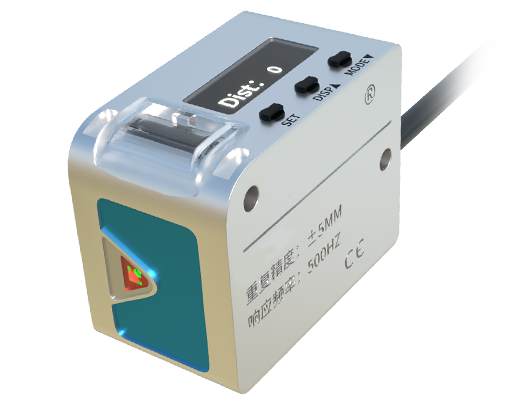
When selecting a 60 laser sensor for an application, several key specifications must be evaluated. The measuring range defines the minimum and maximum distances over which the sensor can operate accurately. The spot size, determined by the laser's wavelength and optics, affects measurement resolution and suitability for small targets. Environmental factors are paramount; industrial-grade models feature robust housings (often IP67 or higher) to withstand dust, moisture, and mechanical shock. Many sensors incorporate advanced features like background suppression, which ignores reflections from objects beyond the set range, and programmable logic for direct integration into control systems.
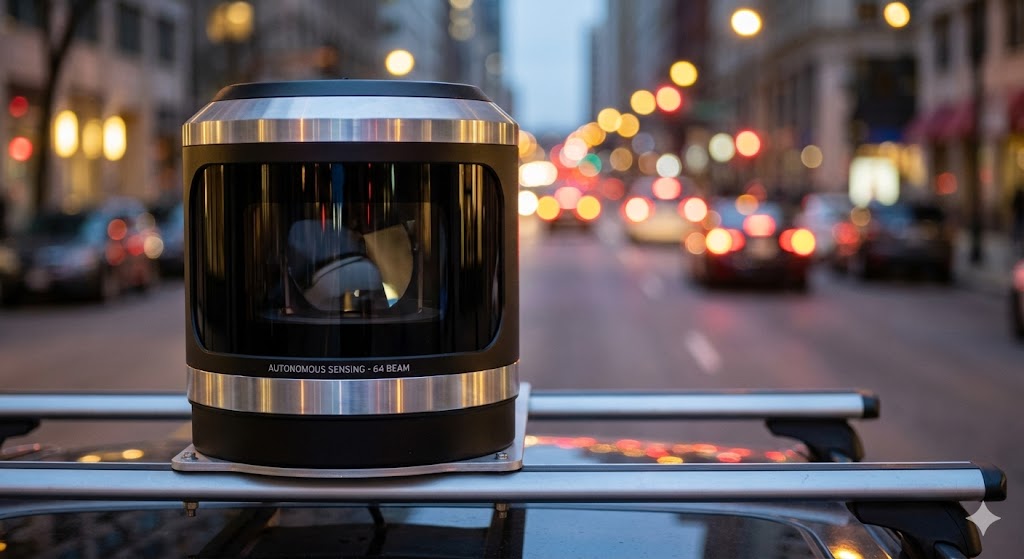
Installation and alignment are critical for optimal performance. The sensor must be mounted securely to minimize vibration. The laser beam should be perpendicular to the target surface to avoid cosine error, which can distort measurements. For reflective or transparent materials like glass or polished metal, specialized models with adjustable sensitivity or diffuse reflection technology are necessary to obtain a reliable signal. Regular maintenance, primarily keeping the lens clean from contaminants, ensures long-term stability and accuracy.
Looking ahead, the evolution of 60 laser sensors is intertwined with Industry 4.0 trends. Newer models are increasingly "smart," featuring integrated IO-Link communication for seamless parameter setting, data logging, and predictive maintenance diagnostics directly onto the factory network. This connectivity allows for real-time process optimization and integration into larger quality control systems. Furthermore, advancements in laser safety (Class 1 or 2 lasers are standard for eye safety) and reductions in power consumption continue to enhance their applicability.
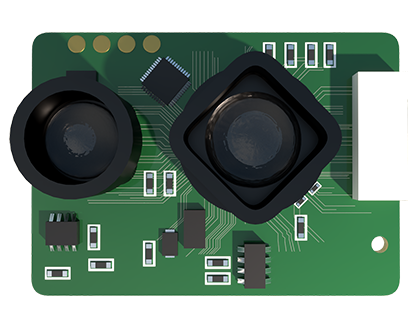
In conclusion, the 60 laser sensor represents a mature yet continuously advancing technology that provides a critical solution for high-precision, non-contact measurement challenges. Its reliability, adaptability, and growing intelligence make it a cornerstone of efficient, automated, and data-driven industrial operations. Understanding its operating principles, key selection criteria, and proper implementation practices is essential for engineers to fully leverage its capabilities and drive improvements in quality, efficiency, and productivity across countless applications.