In industrial automation and control systems, proximity sensors are indispensable components for detecting the presence or absence of objects without physical contact. However, a critical question often arises in sectors like oil and gas, chemical processing, mining, and grain handling: Are proximity sensors explosion-proof? The straightforward answer is that standard proximity sensors are not inherently explosion-proof. Their suitability for hazardous locations depends entirely on their specific design, certification, and the protective measures implemented. This article delves into the principles of explosion protection, relevant standards, and how to correctly select and apply proximity sensors in potentially explosive atmospheres.
An explosive atmosphere, as defined by global standards, is a mixture of dangerous substances (flammable gases, vapors, mists, or combustible dusts) with air, under atmospheric conditions, in which, after ignition, combustion spreads to the entire unburned mixture. The primary risks in such environments are sparks or high surface temperatures from electrical equipment, which can act as an ignition source. A standard inductive or capacitive proximity sensor, when operating, contains electronic circuits that can generate tiny sparks during switching or may have surfaces that could overheat under fault conditions. Therefore, using an uncertified sensor in a classified hazardous area poses a significant safety risk.
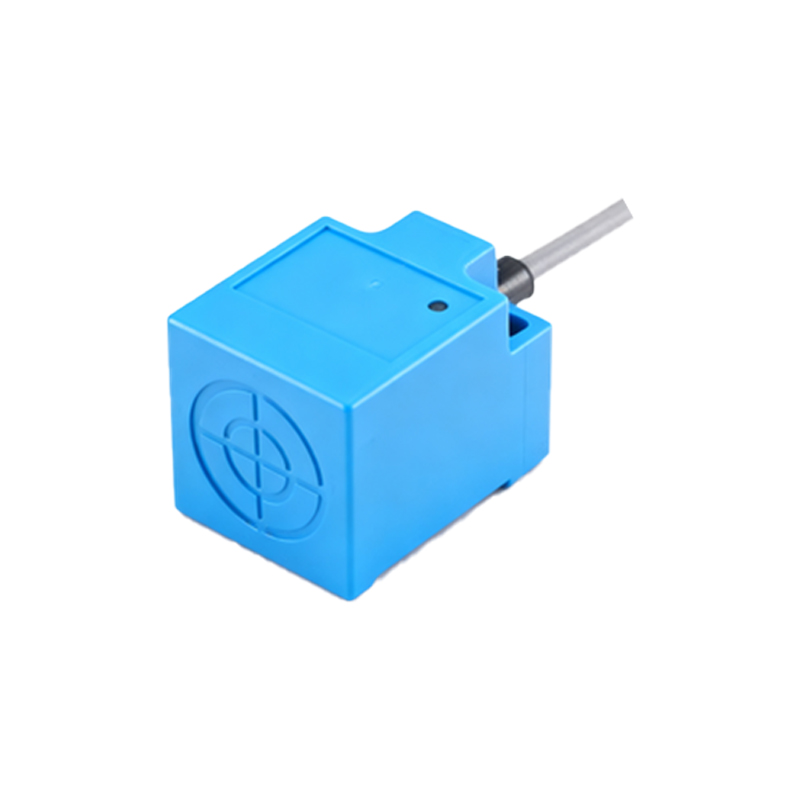
The key concept is not merely "explosion-proof" construction but broader "Explosion Protection" methods. Several protection techniques are recognized and standardized worldwide. The most common types relevant for proximity sensors include:
1. Explosion-proof Enclosure (Ex d): This method does not prevent an internal explosion but contains it within a robust, flameproof enclosure. The joints and gaps are designed to cool any hot gases escaping from the enclosure, preventing ignition of the external atmosphere. Sensors with this protection are often heavy and bulky.
2. Intrinsic Safety (Ex i): This is a particularly important concept for low-power devices like sensors. It limits the electrical and thermal energy in the circuit to a level below what is required to ignite a specific hazardous atmosphere. An intrinsically safe sensor, when used with an associated safety barrier or isolator in the safe area, cannot release sufficient energy to cause ignition. This is often the preferred and most practical method for proximity sensors.
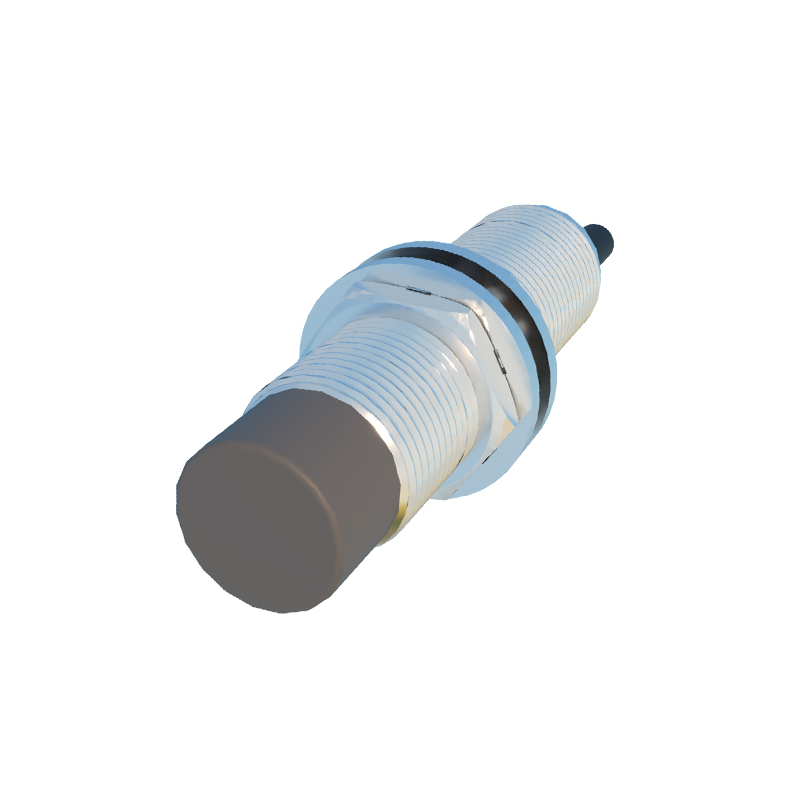
3. Increased Safety (Ex e): This method applies additional measures to increase the security against the possibility of excessive temperatures and the occurrence of arcs or sparks in equipment that does not normally produce them in service. It involves enhanced insulation, secure connections, and increased creepage distances.
4. Encapsulation (Ex m): The potentially incendive components are encapsulated in a resin compound to prevent contact with the explosive atmosphere.
5. Protection by Enclosure (Ex t) for Dust: For dusty environments, sensors are housed in an enclosure that prevents the ingress of dust and limits surface temperature.
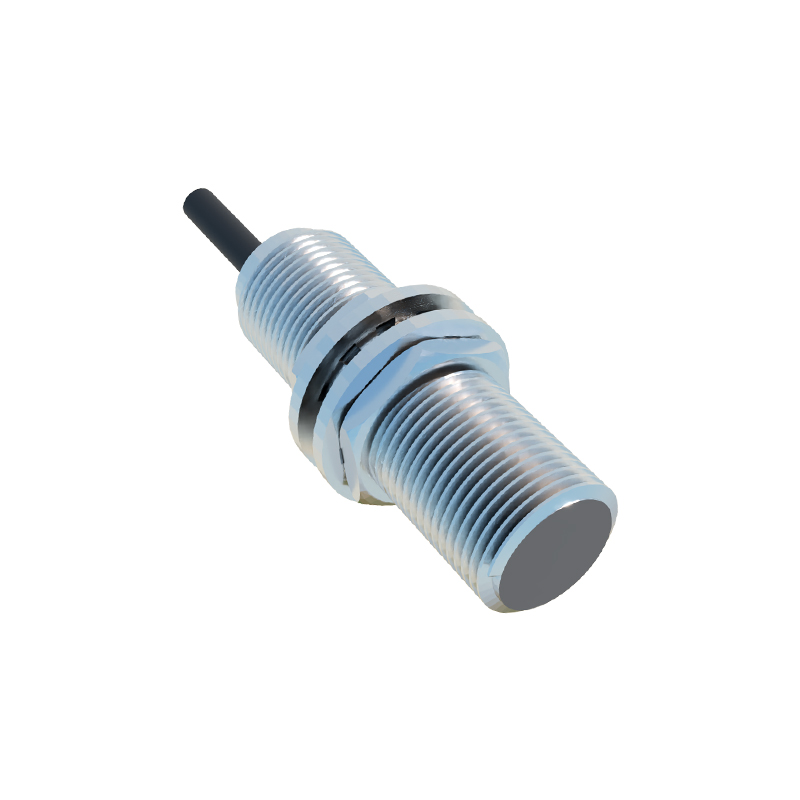
The application is governed by stringent international and regional standards. The most widely adopted system is the IECEx / ATEX framework. In Europe, the ATEX directives (from French "ATmosphères EXplosives") mandate equipment for use in hazardous areas. Equipment is marked with a specific code, for example: II 2G Ex ia IIC T6. This indicates:
II: Equipment group for surface industry (non-mining).
2G: Category for Zone 1 (gas) – a high level of protection.
Ex ia: Protection type – Intrinsic Safety, level "ia" (safe with two faults).
IIC: Gas group (representing the most easily ignited gases like hydrogen).
T6: Temperature class (maximum surface temperature of 85°C).
Similarly, in North America, the NEC (National Electrical Code) and CSA standards use Class/Division or the newer Zone system (aligning more with IEC). A common marking might be Class I, Division 1, Groups A, B, C, D, T6.
When selecting a proximity sensor for a hazardous location, engineers must follow a rigorous process:
Area Classification: Determine the exact Zone/Division (e.g., Zone 0, 1, 2 for gases; Zone 20, 21, 22 for dust) as defined by a site hazard analysis.
Identify Hazardous Material: Determine the Gas Group (IIC, IIB, IIA) or Dust Type.
Match Protection Technique: Select a sensor with a certification that matches the area classification. For a Zone 1 gas area, an Ex ia or Ex d sensor would be required.
Review Temperature Class: Ensure the sensor's maximum surface temperature (T-rating) is below the auto-ignition temperature of the specific gas or dust present.