Laser sensors have become indispensable tools in modern industrial automation, offering high precision and reliability for object detection and recognition. These devices operate on the principle of emitting laser beams and analyzing the reflected signals to determine the presence, position, shape, or characteristics of objects. The core mechanism involves a laser diode that generates a focused light beam, which is directed toward a target. When the beam strikes an object, it reflects back to a photodetector within the sensor. By measuring the time-of-flight (ToF) or phase shift of the returned light, the sensor calculates the distance to the object with remarkable accuracy, often within micrometers. This capability is crucial in applications like robotic guidance, quality inspection, and safety systems.
In terms of recognition, laser sensors utilize advanced algorithms to interpret the reflected data. For instance, in contour recognition, the sensor scans across an object's surface, capturing detailed profiles that can be compared to predefined templates in a control system. This allows for identification of specific shapes or defects, such as in automotive part manufacturing or electronic component assembly. Additionally, some laser sensors employ triangulation methods, where the angle of the reflected beam changes based on the object's surface geometry, enabling 3D mapping and texture analysis. This is particularly useful in logistics for sorting packages or in agriculture for crop monitoring.
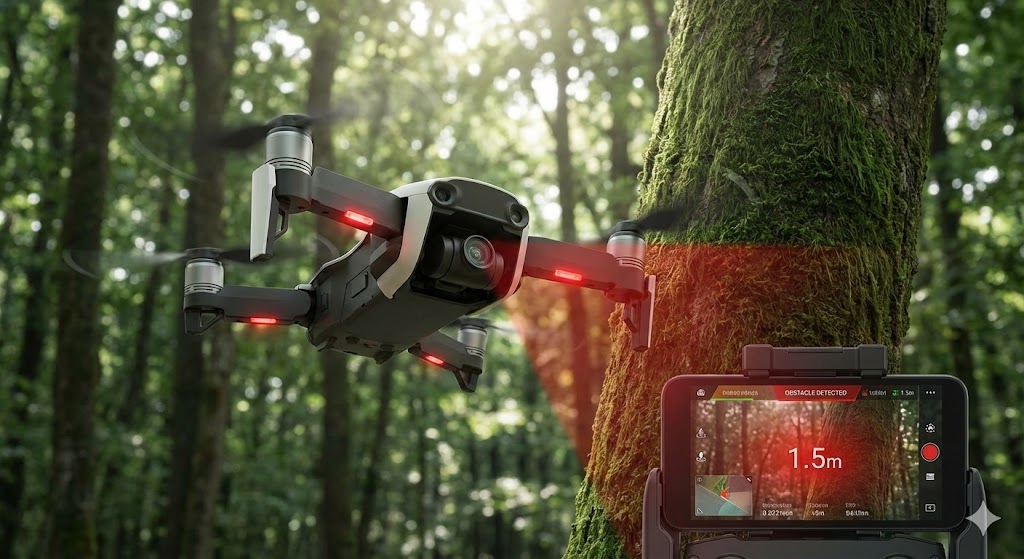
The integration of laser sensors with IoT and AI technologies has further enhanced their recognition abilities. Real-time data from sensors can be fed into machine learning models to classify objects based on size, color, or material, even in dynamic environments. For example, in smart warehouses, laser sensors help autonomous vehicles navigate and identify inventory items without human intervention. Moreover, their robustness against ambient light and environmental interference makes them suitable for harsh conditions, such as in mining or construction sites.
To ensure optimal performance, engineers must consider factors like sensor resolution, scanning speed, and wavelength selection. Infrared lasers are common for long-range detection, while visible lasers may be used for precise alignment tasks. Regular calibration and maintenance are also essential to sustain accuracy over time. As industries evolve toward Industry 4.0, laser sensors continue to play a pivotal role in enabling automated, efficient, and safe operations, driving innovation across sectors from manufacturing to healthcare.
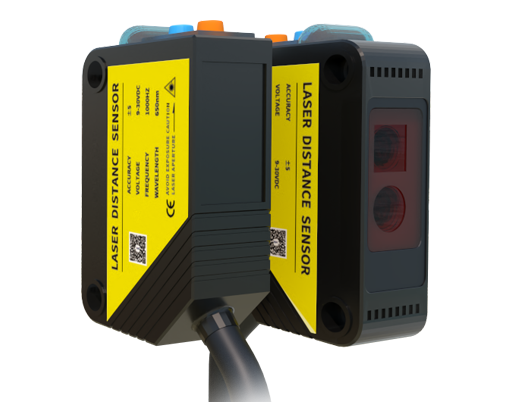
In summary, laser sensors achieve recognition through a combination of optical physics, signal processing, and computational intelligence. Their ability to deliver non-contact, high-speed measurements transforms complex detection challenges into manageable tasks, paving the way for smarter industrial ecosystems. By leveraging these technologies, businesses can improve productivity, reduce errors, and adapt to rapidly changing market demands.