In the realm of industrial automation, machine vision, and precision manufacturing, laser autofocus sensors have become indispensable tools. These sophisticated devices project a laser beam onto a target surface and analyze the reflected light to determine the precise distance to the object. This data is then used to automatically adjust the focal point of an imaging system, such as a camera or microscope, ensuring consistently sharp images for inspection, measurement, or alignment tasks. However, the reliable operation of these sensors is critically dependent on an unobstructed path for the laser beam. The issue of sensor obstruction, often an overlooked aspect in system design, can lead to significant operational failures, reduced accuracy, and costly downtime.
The core principle of a triangulation-based laser autofocus sensor involves a laser diode, a receiving lens, and a position-sensitive detector (PSD) or a CMOS/CCD array. The laser dot is projected at a known angle. The reflection from the target passes through the receiving lens and strikes the detector at a position that correlates directly with the distance to the target. Any foreign object—be it dust, debris, coolant mist, flying chips from machining, a stray cable, or even an operator's hand—that interrupts this carefully calibrated optical path will cause a malfunction.
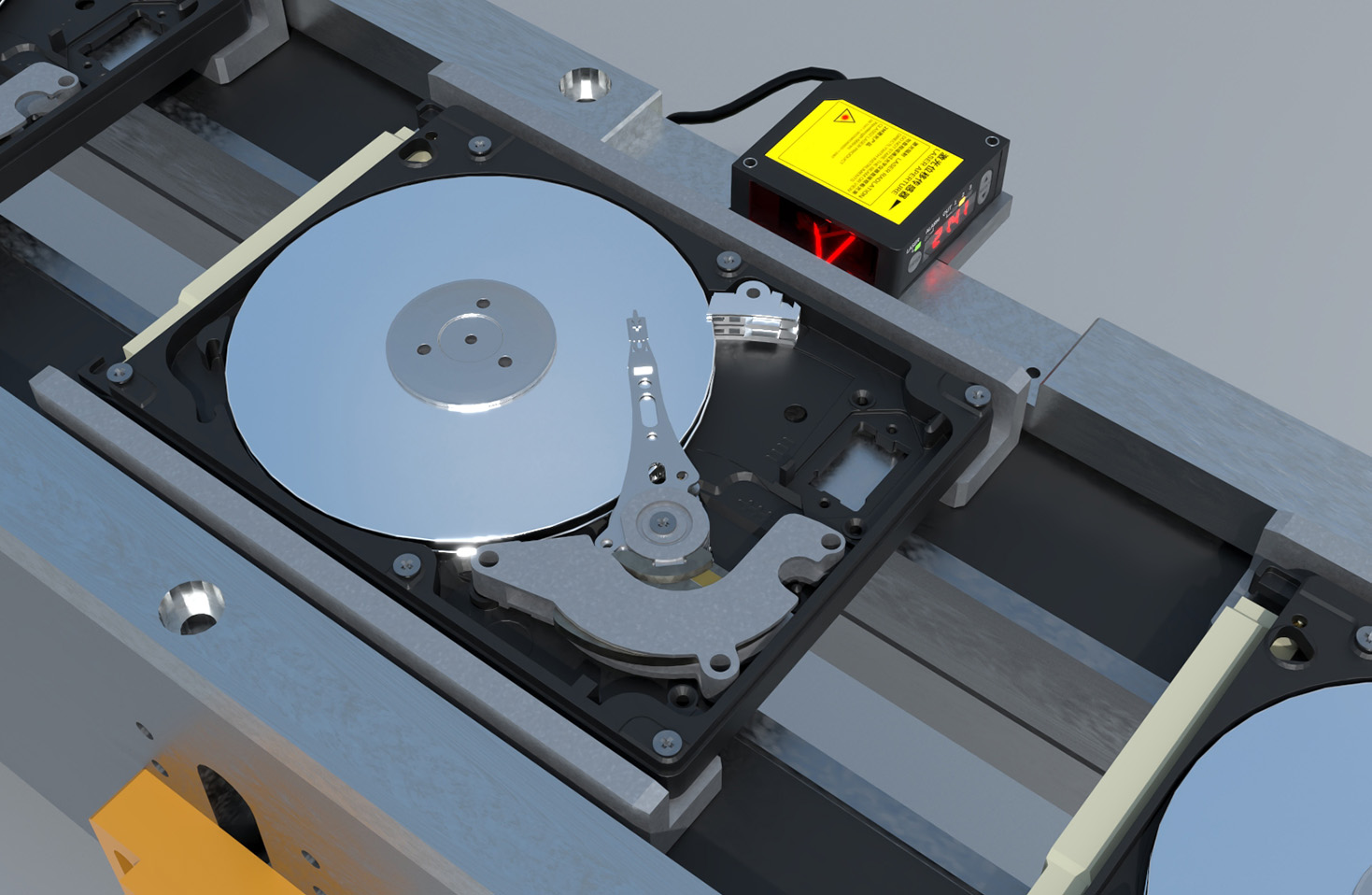
The consequences of an obstructed laser sensor are multifaceted and often immediate. The most common outcome is a complete loss of signal. The sensor cannot detect the reflected laser spot, leading to an error state. The system may interpret this as the target being out of range or missing entirely, potentially halting a production line. A more insidious problem occurs with partial or intermittent obstructions. For instance, a translucent film of oil or a slowly accumulating layer of dust can attenuate the laser signal. This can cause the sensor to report an incorrect, often fluctuating, distance measurement. In a high-precision drilling or dispensing application, such an error of even a few microns can render a batch of products defective.
Environmental factors prevalent in industrial settings are primary culprits. Manufacturing environments generate particulates. In CNC machining, metal shavings and cutting fluid aerosols are pervasive. In food processing, powders and moisture can pose a threat. In warehouses, dust accumulation is a constant challenge. Without proper protection, the sensor's aperture can become coated, gradually degrading performance until failure. Furthermore, the design of the machinery itself can sometimes create blind spots or allow for incidental occlusion by moving parts or workpieces, especially in densely packed automated cells.
Mitigating the risk of laser sensor obstruction requires a proactive, multi-layered approach beginning at the system design phase. The first line of defense is strategic sensor placement. Engineers must analyze the full range of motion of all machine components and the typical path of workpieces to identify locations with the lowest probability of accidental blockage. Mounting the sensor in a recessed or shielded housing can offer physical protection from direct impact and large debris.
For environments with airborne contaminants, specifying sensors with an appropriate Ingress Protection (IP) rating is non-negotiable. A rating of IP67, for example, ensures the sensor is dust-tight and protected against temporary immersion, safeguarding its internal optics. Additionally, models equipped with integrated air purge ports are highly effective. A constant, low-pressure stream of clean, dry air (or inert gas) is directed across the sensor's front lens. This creates a positive pressure barrier that actively repels dust, mist, and chips, keeping the optical window clear.
On the software and systems integration side, implementing robust error handling and diagnostic routines is crucial. A well-programmed system should not simply stop on a sensor fault. It should be able to distinguish between a "target missing" error (which could be a real problem) and a "sensor blocked" error. Advanced sensors provide diagnostic outputs, such as signal strength indicators. Monitoring this value can alert operators to a gradual degradation in performance due to lens contamination before a complete failure occurs, enabling proactive maintenance.
Regular preventive maintenance is the final, critical layer. Even with protective measures, periodic inspection and cleaning of sensor lenses according to the manufacturer's guidelines are essential. This simple task, often part of a larger machine upkeep schedule, can prevent the majority of obstruction-related issues. Using approved cleaning materials is vital to avoid damaging delicate optical coatings.
In conclusion, while laser autofocus sensors deliver exceptional precision, their performance is inherently linked to the integrity of their optical path. Obstruction is a dominant failure mode in demanding industrial applications. By understanding the mechanisms of failure and adopting a comprehensive strategy encompassing intelligent design, environmental hardening, system-level diagnostics, and disciplined maintenance, engineers and plant managers can ensure these critical sensors operate with the reliability and accuracy that modern automated processes demand. The goal is to move from reactive troubleshooting to predictive reliability, where the sensor becomes a seamless and dependable component within the larger ecosystem of industrial automation.