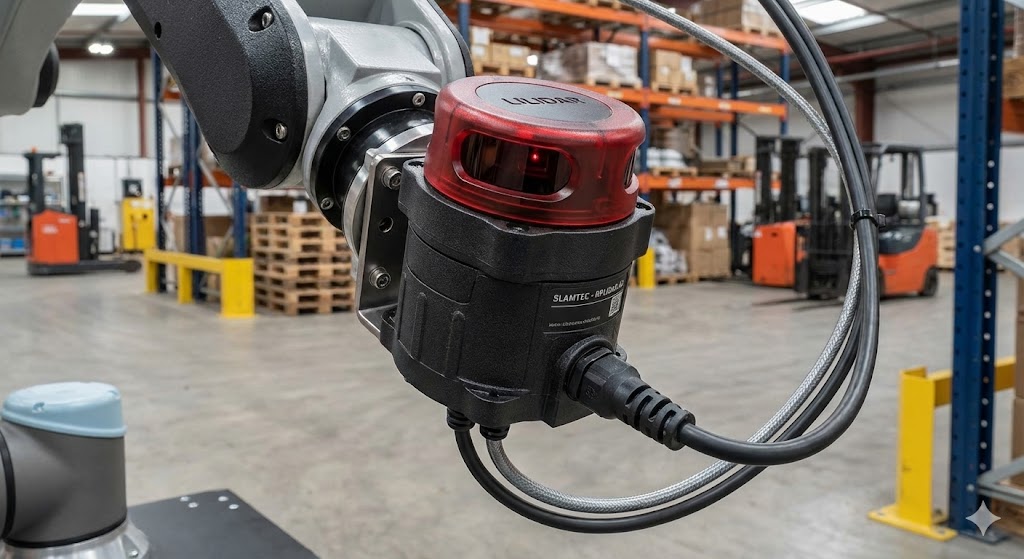
In the realm of industrial automation and precision sensing, infrared laser diffuse sensors have emerged as a critical component for non-contact detection, positioning, and measurement. Unlike through-beam or retro-reflective sensors that require separate emitter and receiver units, diffuse sensors house both within a single housing. They operate on the principle of detecting the light reflected directly from the target object itself. The integration of a laser diode, typically in the near-infrared spectrum (e.g., 850nm or 905nm), provides a highly visible, concentrated beam spot, enabling precise detection of small objects and offering superior sensing ranges compared to standard LED-based diffuse sensors.
The core working principle involves the sensor's emitter projecting a modulated infrared laser beam onto a target. When this beam strikes an object within its detection field, a fraction of the light is diffusely reflected back towards the sensor's receiver. The onboard electronics then evaluate the intensity of this returned signal. If the intensity surpasses a pre-set threshold—adjusted via a potentiometer or teach-in function—the sensor's output switches state, indicating the presence of the object. This threshold setting is crucial for overcoming challenges like varying object colors, surface textures (matte vs. glossy), and environmental background interference. Advanced models incorporate background suppression (BGS) or foreground suppression (FGS) technologies. BGS sensors use triangulation principles to measure the distance to the object, effectively ignoring reflections beyond a fixed limit, thus preventing false triggers from distant backgrounds. FGS is designed to ignore very close reflective surfaces, focusing on objects in a defined foreground range.
The applications for infrared laser diffuse sensors are vast and span numerous industries. In packaging and material handling, they reliably detect the presence of boxes, bottles, or products on high-speed conveyors, regardless of color variations. In electronics assembly, their small, precise spot size is ideal for detecting miniature components, lead verification on chips, or checking for the presence of screws. Robotics utilize them for precise bin-picking guidance, palletizing, and end-effector positioning. They are also indispensable in automated storage and retrieval systems (AS/RS) for pallet detection and in the automotive industry for part verification and robot cell safety monitoring. Their ability to work with diverse materials—plastic, metal, wood, glass—makes them exceptionally versatile.
Selecting the appropriate infrared laser diffuse sensor requires careful consideration of several key parameters. Sensing Range: This is the maximum distance at which a standard target (usually a white matte surface) can be reliably detected. Laser diffuse sensors offer ranges from a few centimeters up to several meters. Spot Size: The laser produces a small, well-defined point, allowing for the detection of very small objects or precise edge detection. The spot size increases with distance, which is specified in datasheets. Response Time: Measured in milliseconds or microseconds, this determines how fast the sensor can react to a passing object, critical for high-speed production lines. Output Type: Common outputs include PNP/NPN transistor (sourcing/sinking), analog current/voltage (for distance proportional measurement), and IO-Link for digital communication and parameterization. Environmental Ratings: Ingress Protection (IP) ratings (e.g., IP67) are vital for withstanding dust, moisture, and washdowns in harsh industrial environments. Special Features: Look for features like adjustable sensing range via teach-in, programmable logic functions, synchronization capability to prevent mutual interference in multi-sensor setups, and robust metal housings.
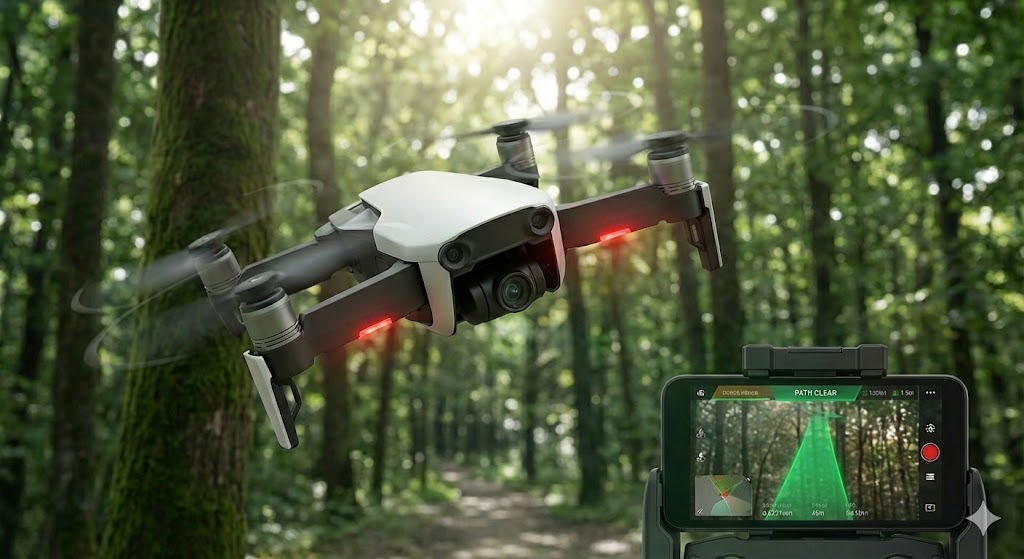
Installation and commissioning are straightforward but demand attention. Ensure the sensor is mounted securely to minimize vibration. Alignment is less critical than with through-beam sensors, but the laser spot should be directed at the desired detection point on the target. Setting the sensitivity threshold correctly is the most critical step. It should be high enough to ignore the background but low enough to detect low-reflectivity (dark) objects. Using the built-in teach function or a potentiometer, set the threshold while the target object is present at the worst-case condition (farthest distance, darkest color). Regular maintenance involves keeping the lens clean from dust, oil, or debris that could attenuate the laser beam.
In conclusion, infrared laser diffuse sensors represent a powerful fusion of visibility, precision, and robustness for industrial sensing tasks. Their self-contained design simplifies installation, while laser technology enhances performance in range, accuracy, and spot definition. By understanding their operating principles, key specifications, and application requirements, engineers and system integrators can effectively deploy these sensors to enhance automation reliability, efficiency, and intelligence. As Industry 4.0 progresses, the integration of smart features like IO-Link will further solidify their role as indispensable data points within connected industrial ecosystems.