In the dynamic landscape of industrial automation, proximity sensors play a pivotal role in enhancing operational efficiency, safety, and precision. As a seasoned electrical engineer with extensive experience in sensor technology, I have observed that off-the-shelf proximity sensors often fall short of meeting the unique demands of specialized applications. This is where customized proximity sensor solutions become indispensable. Customization allows for the optimization of sensor parameters such as sensing range, output type, housing material, and environmental resistance, ensuring seamless integration into complex machinery and harsh operating conditions.
The process of developing a tailored proximity sensor begins with a thorough analysis of the application requirements. Key factors to consider include the target material (ferrous, non-ferrous, or specific alloys), required detection distance, response time, and the electrical interface (e.g., NPN/PNP, analog, or IO-Link). For instance, in automotive assembly lines, sensors must withstand high temperatures, vibrations, and exposure to oils or coolants, necessitating robust stainless-steel housings and IP67 or higher ingress protection ratings. In contrast, food and beverage industries demand sensors with smooth, crevice-free surfaces and compliance with FDA or EHEDG standards to facilitate easy cleaning and prevent contamination.
Advanced customization extends beyond physical attributes to incorporate smart features like diagnostic capabilities, programmable logic, and network connectivity. Integrating IoT-enabled sensors with industrial Ethernet protocols (e.g., PROFINET, EtherNet/IP) enables real-time monitoring and predictive maintenance, reducing downtime and operational costs. Moreover, tailored sensing technologies—such as inductive, capacitive, or ultrasonic sensors—can be selected based on the specific detection needs. Inductive sensors are ideal for metal detection, while capacitive variants excel in sensing non-metallic materials like plastics or liquids, and ultrasonic sensors offer reliable performance in dusty or humid environments.
Collaboration with experienced engineering teams is crucial for successful customization. At our facility, we employ a iterative design approach, involving prototyping, rigorous testing (including temperature cycling, shock/vibration tests, and EMC compliance), and client feedback loops. This ensures that the final product not only meets technical specifications but also aligns with cost-effectiveness and scalability. Case studies highlight how customized sensors have resolved challenges in sectors like robotics, where compact designs with high repeat accuracy are vital, or in renewable energy, where sensors monitor turbine blade positions under extreme weather conditions.
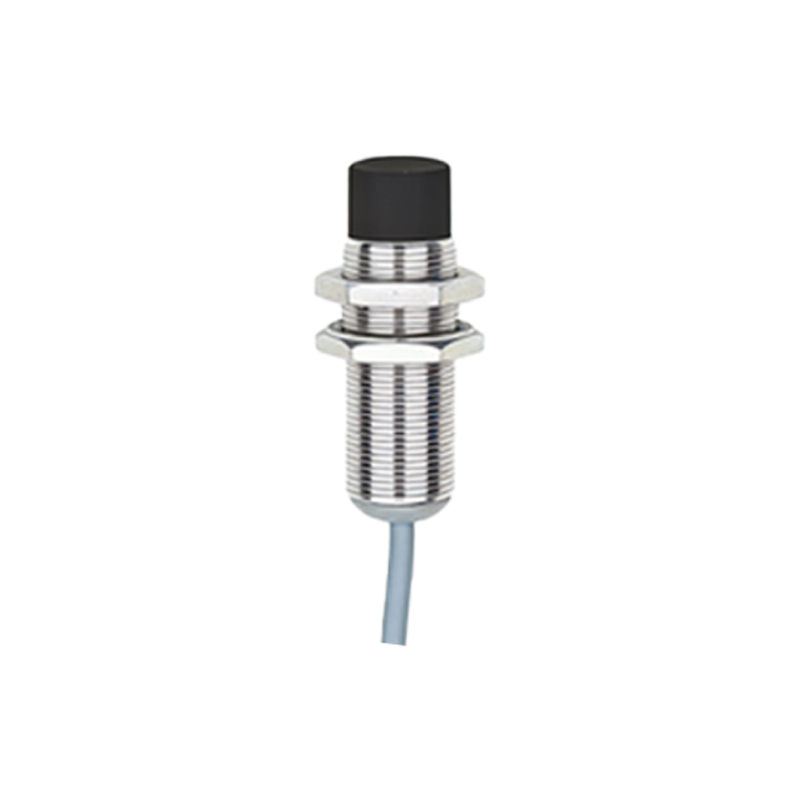
Ultimately, investing in customized proximity sensor solutions translates to long-term benefits: enhanced system reliability, improved safety through fail-safe designs, and adaptability to evolving industrial trends. As Industry 4.0 accelerates, the demand for intelligent, application-specific sensors will only grow, making customization a strategic imperative for forward-thinking enterprises. By leveraging expert engineering insights and cutting-edge technology, businesses can achieve unparalleled operational excellence and maintain a competitive edge in today's fast-paced industrial arena.