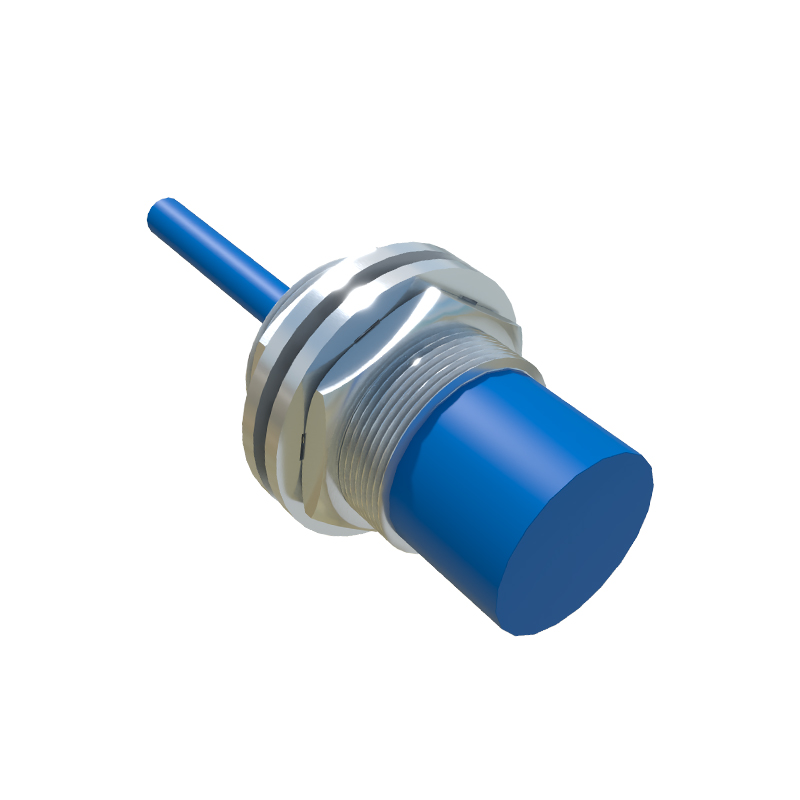
In the realm of industrial automation, proximity sensors are indispensable components for detecting the presence or absence of objects without physical contact. Among the various configurations available, the 2-wire proximity sensor stands out for its simplicity and reliability, making it a popular choice in numerous applications. This article delves into the operational principles, advantages, installation considerations, and common use cases of 2-wire proximity sensors, providing a thorough understanding for engineers and technicians.
A 2-wire proximity sensor operates by connecting directly in series with the load, such as a programmable logic controller (PLC) input or a relay coil. Unlike 3-wire or 4-wire sensors that have separate power and signal lines, the 2-wire version utilizes the same two wires for both power supply and signal transmission. This design simplifies wiring and reduces installation costs. Typically, these sensors function by modulating a small leakage current (often referred to as residual current) when in the "off" state and allowing full load current to flow when activated. The sensor detects metallic or non-metallic targets based on electromagnetic or capacitive principles, depending on the type—inductive sensors for metals and capacitive sensors for materials like plastics, liquids, or wood.
The primary advantage of 2-wire proximity sensors lies in their straightforward integration. With only two wires to connect, they minimize wiring complexity and are less prone to errors during installation. This makes them ideal for retrofitting into existing systems or for applications where space is limited. Additionally, they often feature robust housings, such as those made from nickel-plated brass or stainless steel, ensuring durability in harsh industrial environments with exposure to dust, moisture, or temperature fluctuations. However, it is crucial to note that 2-wire sensors have inherent limitations, including voltage drop considerations and potential leakage current effects on sensitive loads. Engineers must carefully select sensors with appropriate voltage ratings (commonly 10-30V DC or 20-250V AC) and ensure compatibility with the control system to avoid malfunctions.
When installing 2-wire proximity sensors, several factors must be considered to optimize performance. First, proper mounting is essential; sensors should be positioned to avoid interference from adjacent metal objects or other electromagnetic sources. The sensing distance, typically specified by manufacturers, should be verified based on the target material and size. For inductive sensors, the reduction factor for non-ferrous metals like aluminum or copper must be accounted for, as it affects the effective range. Wiring practices also play a critical role—using shielded cables can prevent electrical noise from disrupting signal integrity, especially in environments with high-frequency machinery. Furthermore, it is advisable to incorporate protective measures, such as surge suppressors or fuses, to safeguard against voltage spikes or short circuits.
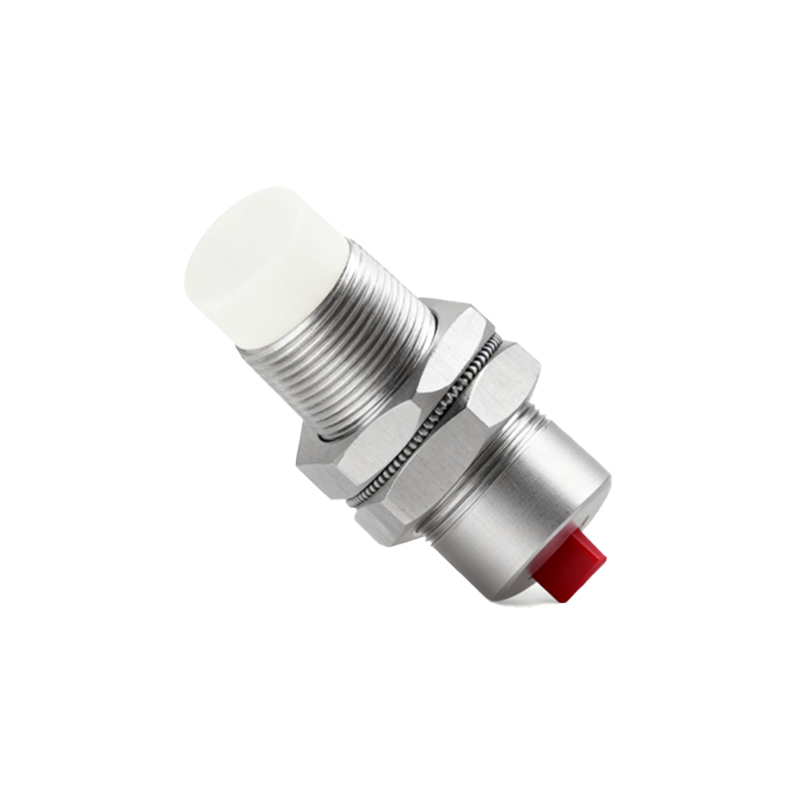
In practice, 2-wire proximity sensors find widespread use across various industries. In manufacturing, they are employed for part detection on conveyor belts, position sensing in robotic arms, or end-of-travel limits in machinery. The automotive sector utilizes them for assembly line automation, such as verifying component placement or monitoring fluid levels. In packaging, these sensors ensure accurate counting and filling operations. Their versatility extends to hazardous areas where explosion-proof designs are required, adhering to standards like ATEX or IECEx. By enabling non-contact detection, they reduce wear and tear, enhance safety, and improve overall system efficiency.
Maintenance of 2-wire proximity sensors is generally minimal, but regular checks are recommended to ensure longevity. Inspecting for physical damage, cleaning lenses or sensing faces, and verifying electrical connections can prevent unexpected downtime. Troubleshooting common issues, such as false triggers or no output, often involves checking for misalignment, target material changes, or power supply inconsistencies. Consulting the manufacturer's datasheet for specific guidelines on operating conditions and load compatibility is always a best practice.
In conclusion, 2-wire proximity sensors offer a balance of simplicity, cost-effectiveness, and reliability for industrial automation. By understanding their working principles and application nuances, engineers can leverage these devices to enhance operational workflows. As technology advances, newer models with enhanced features, such as longer sensing ranges or integrated diagnostics, continue to emerge, further solidifying their role in modern industrial systems. Whether for basic presence detection or complex control tasks, the 2-wire proximity sensor remains a cornerstone of efficient and automated processes.