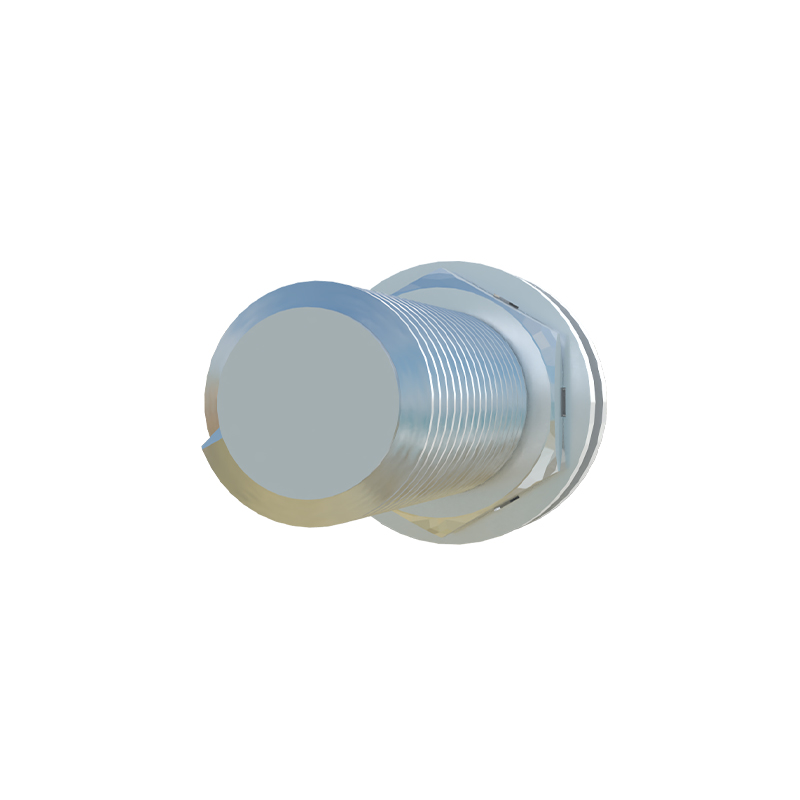
In the realm of industrial automation and control, proximity sensors are indispensable components for non-contact detection of objects. Among the diverse types available, the Bogie Square Proximity Sensor stands out for its robust design and reliable performance in demanding environments. This article delves into the operational principles, key features, and typical applications of this specific sensor variant, providing a comprehensive overview for engineers and technicians.
The fundamental working principle of a Bogie Square Proximity Sensor is based on electromagnetic induction. The sensor generates a high-frequency oscillating electromagnetic field from its active face. When a metallic target enters this field, eddy currents are induced on the target's surface. These eddy currents cause a change in the oscillation amplitude within the sensor's internal coil circuit. This change is detected and processed by the sensor's electronics, which subsequently triggers a solid-state output switch (typically PNP or NPN). The "square" designation refers to the physical housing shape, which is often a cube or rectangular prism, offering advantages in mounting and space utilization compared to cylindrical models. The "Bogie" nomenclature typically indicates a specific product line or brand model known for durability.
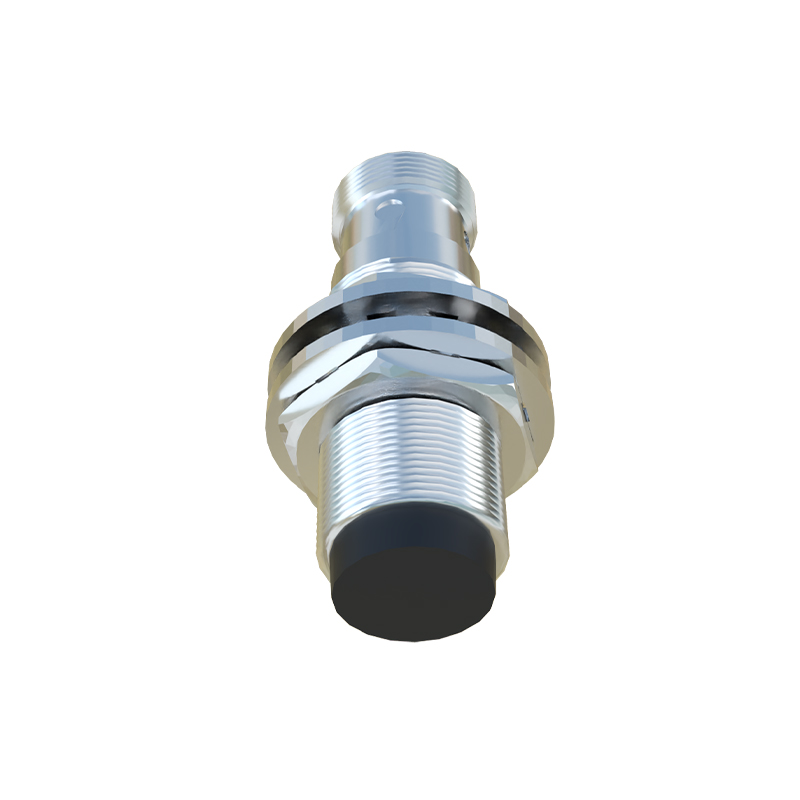
Key technical characteristics define the Bogie Square Proximity Sensor's suitability for industrial use. First is its sensing range, which varies by model but is precisely defined for consistent operation. These sensors are often shielded, meaning the electromagnetic field is concentrated at the front face, allowing for flush mounting in metal without false triggering. The housing is commonly constructed from nickel-plated brass, stainless steel, or rugged polymers like PBT, providing high resistance to mechanical impacts, cutting fluids, coolants, and washdowns. Operating voltage ranges are broad, typically covering 10-30V DC, making them compatible with standard PLC and control system voltages. Output configurations include normally open (NO), normally closed (NC), or switchable, and many models feature short-circuit and reverse polarity protection. Another critical specification is the switching frequency, which determines how quickly the sensor can detect successive objects—a vital parameter in high-speed automation lines.
The application spectrum for Bogie Square Proximity Sensors is vast. They are extensively used in machine tooling for position detection of tool holders, slides, and clamps. In material handling and packaging machinery, they monitor the presence or absence of products on conveyors, count items, and verify end-of-stroke positions for actuators. Their robust construction makes them ideal for harsh environments found in automotive manufacturing, metal stamping, and woodworking, where dust, chips, and fluids are prevalent. They are also employed in automated assembly systems to verify component placement and in elevator systems for floor leveling control. The square form factor is particularly beneficial where space is constrained or where a flat mounting surface is preferred for stability.
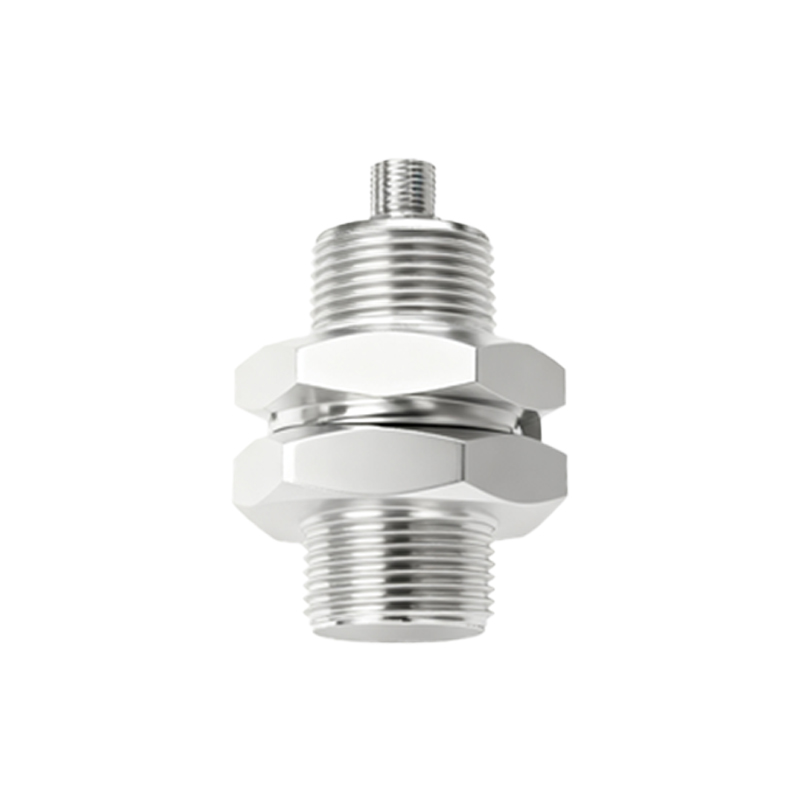
When selecting and installing a Bogie Square Proximity Sensor, several best practices ensure optimal performance. It is crucial to choose the correct sensing range and ensure the target material is ferrous or non-ferrous metal as specified. The sensor should be mounted securely to avoid vibration-induced errors. For shielded models, maintaining the recommended minimum distance from adjacent metal surfaces and other sensors prevents mutual interference. Regular maintenance, though minimal, involves keeping the sensing face clean from debris and verifying electrical connections. Understanding environmental factors such as ambient temperature extremes is also essential for long-term reliability.
In conclusion, the Bogie Square Proximity Sensor represents a mature and highly reliable solution for object detection in industrial settings. Its combination of a durable square housing, precise inductive sensing technology, and resilience against environmental challenges makes it a preferred choice for engineers designing robust control systems. As automation continues to advance, the role of such dependable, foundational components remains critical to ensuring efficiency, safety, and productivity on the factory floor.