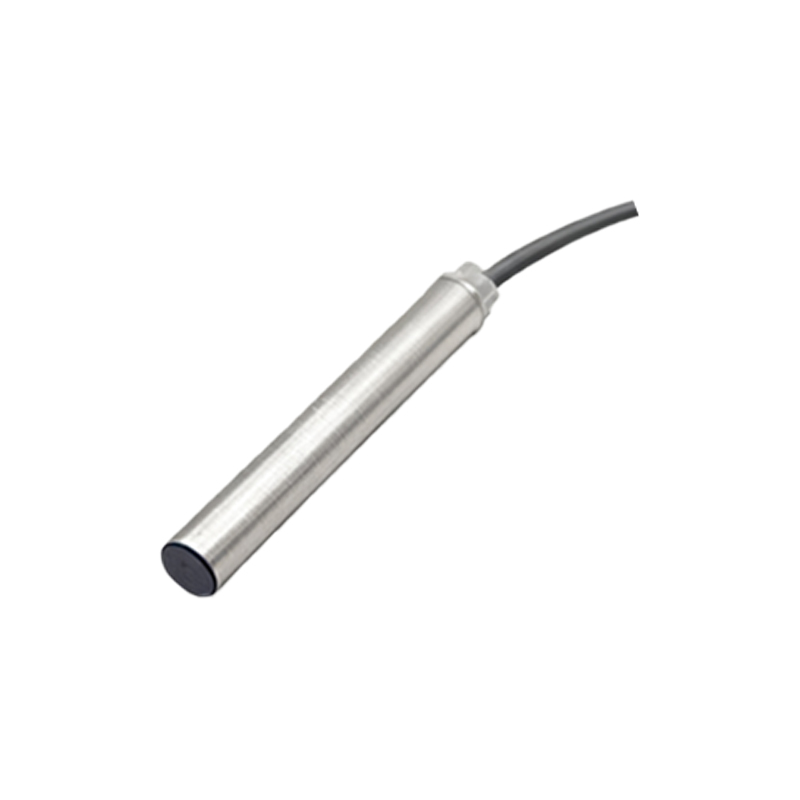
The global proximity sensor market has witnessed substantial growth over the past decade, driven by increasing automation across manufacturing, automotive, and consumer electronics sectors. As key components in industrial automation and IoT ecosystems, proximity sensors enable non-contact detection of objects, enhancing efficiency, safety, and precision. This article delves into the landscape of publicly traded companies specializing in proximity sensor technologies, examining their market positions, innovations, and future prospects.
Leading the industry are established giants such as Omron Corporation, Rockwell Automation, and Sick AG, each with a robust portfolio of inductive, capacitive, and photoelectric proximity sensors. Omron, for instance, has pioneered compact, high-precision sensors for factory automation, while Rockwell integrates sensor solutions with broader control systems for smart manufacturing. Sick AG focuses on innovative applications in logistics and safety, leveraging advanced algorithms for object recognition. These companies benefit from extensive R&D investments, global distribution networks, and long-standing client relationships in automotive and industrial sectors.
Emerging players like Balluff GmbH and IFM Electronic GmbH have also carved niches by offering specialized sensors for harsh environments or niche applications, such as food processing or pharmaceuticals. Their agility in adapting to market demands—such as the rise of Industry 4.0—has allowed them to compete effectively. Additionally, semiconductor firms like Texas Instruments and STMicroelectronics play a crucial role by developing integrated circuits that enhance sensor performance, enabling features like low power consumption and wireless connectivity.
Market trends indicate a shift toward miniaturization, enhanced sensitivity, and IoT integration. Proximity sensors are increasingly embedded with digital interfaces (e.g., IO-Link) for real-time data exchange, supporting predictive maintenance and analytics. The automotive sector, particularly with the advent of electric and autonomous vehicles, demands sensors for battery management, obstacle detection, and interior monitoring. Similarly, consumer electronics rely on proximity sensors for touchless controls in smartphones and smart home devices.
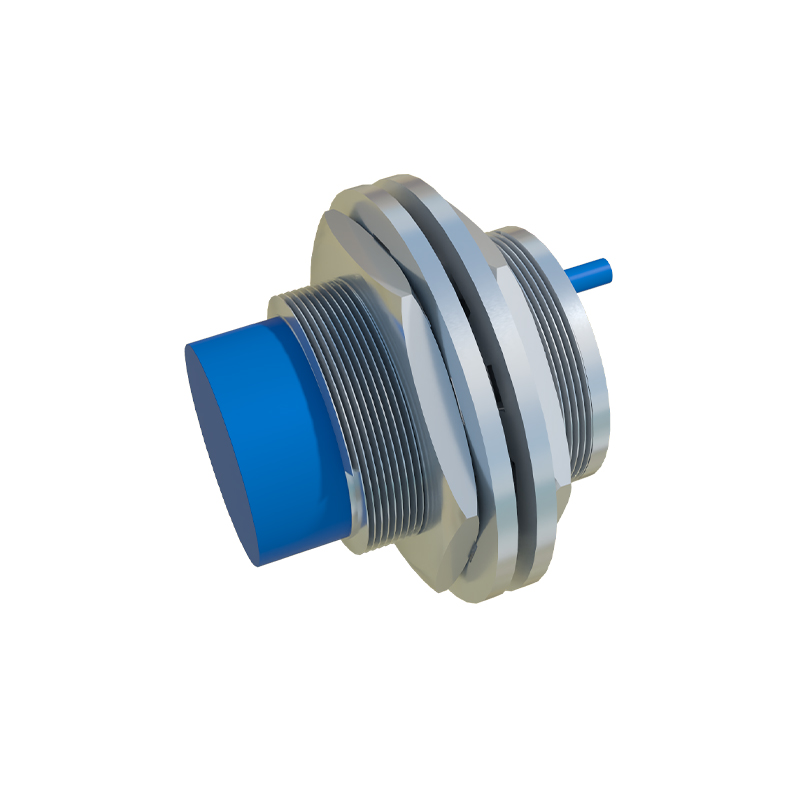
Financial performance among listed companies reflects these dynamics. For example, Omron’s sensor segment reported steady revenue growth, driven by demand in Asia-Pacific markets. Rockwell’s earnings calls highlight sensor sales as a key contributor to their automation portfolio. Investors often evaluate these firms based on innovation pipelines, patent portfolios, and partnerships with tech companies—factors that signal long-term viability.
Challenges persist, including supply chain disruptions, raw material shortages, and intense competition from low-cost manufacturers. However, companies that prioritize sustainability—such as developing energy-efficient sensors or recyclable materials—are gaining traction amid regulatory pressures. The future outlook remains positive, with projections suggesting a compound annual growth rate (CAGR) of 6-8% through 2030, fueled by smart city initiatives and expanding industrial automation.
In summary, proximity sensor listed companies represent a dynamic segment within the broader sensor industry. Their success hinges on technological advancement, adaptability to emerging applications, and strategic global expansion. For stakeholders, understanding these players’ strengths and market trajectories is essential for informed decision-making in an increasingly automated world.