Proximity sensors are indispensable components in modern industrial automation, enabling non-contact detection of objects within a specified range. These devices enhance efficiency, reliability, and safety by eliminating physical contact, thereby reducing wear and tear. This article explores the primary types of proximity sensors and their distinct characteristics, tailored for engineers and professionals in the electrical and automation sectors.
Inductive proximity sensors are widely used for detecting metallic objects. They operate by generating an electromagnetic field. When a metal target enters this field, it induces eddy currents, causing a change in the sensor's oscillation amplitude. This change triggers an output signal. Key characteristics include high switching frequency, robustness in harsh environments, and immunity to non-metallic materials. Typical sensing distances range from a few millimeters to about 60 millimeters, depending on the sensor size and target material. These sensors are ideal for applications like metal detection in conveyor systems, position sensing in machinery, and part counting in manufacturing lines.
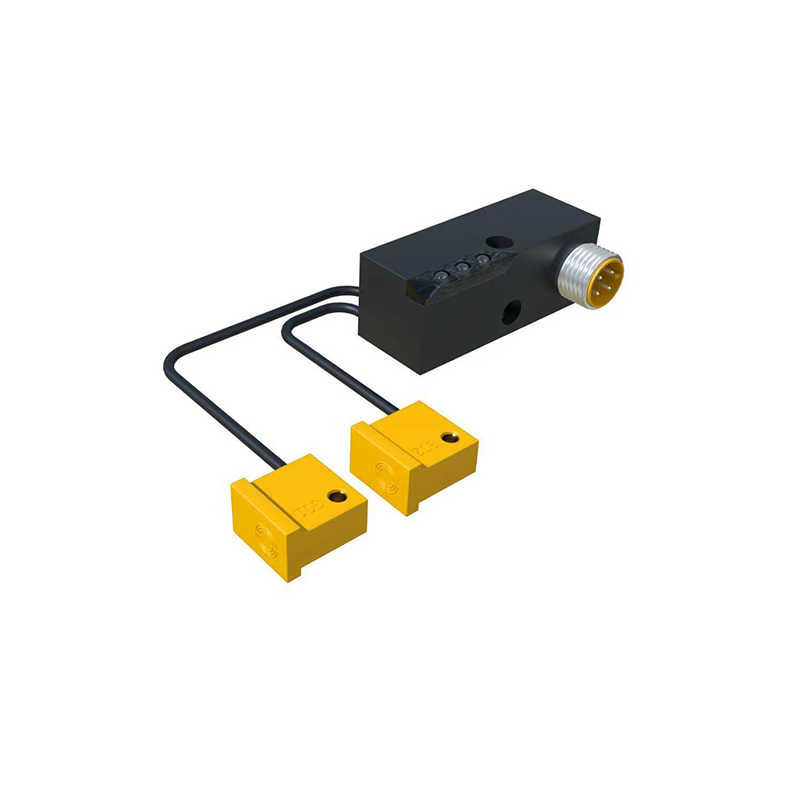
Capacitive proximity sensors can detect both metallic and non-metallic materials, including liquids, plastics, and wood. They function by measuring changes in capacitance between the sensor and the target object. When an object approaches, it alters the dielectric constant, leading to a capacitance shift that activates the output. Characteristics include versatility in material detection, sensitivity adjustment capabilities, and suitability for level sensing of liquids or granular materials. However, they may be influenced by environmental factors like humidity. Common applications involve liquid level control, material handling, and presence detection of non-metallic objects.
Ultrasonic proximity sensors utilize sound waves to detect objects. They emit high-frequency ultrasonic pulses and measure the time taken for the echo to return after hitting a target. The distance is calculated based on the speed of sound. These sensors excel in detecting objects regardless of material composition, color, or transparency. Key features include long sensing ranges (up to several meters), high accuracy in distance measurement, and performance in dusty or dirty conditions. Limitations include potential interference from temperature variations or acoustic noise. They are commonly used in parking assistance systems, tank level monitoring, and robotic navigation.
Photoelectric proximity sensors rely on light beams to detect objects. They consist of an emitter (light source) and a receiver. When an object interrupts or reflects the light beam, the receiver detects the change, triggering an output. Types include through-beam, retro-reflective, and diffuse reflective sensors. Characteristics encompass fast response times, long sensing distances (up to tens of meters for some models), and ability to detect small or transparent objects. They are sensitive to environmental conditions like fog or dirt. Applications include object counting, packaging automation, and safety barriers in industrial settings.
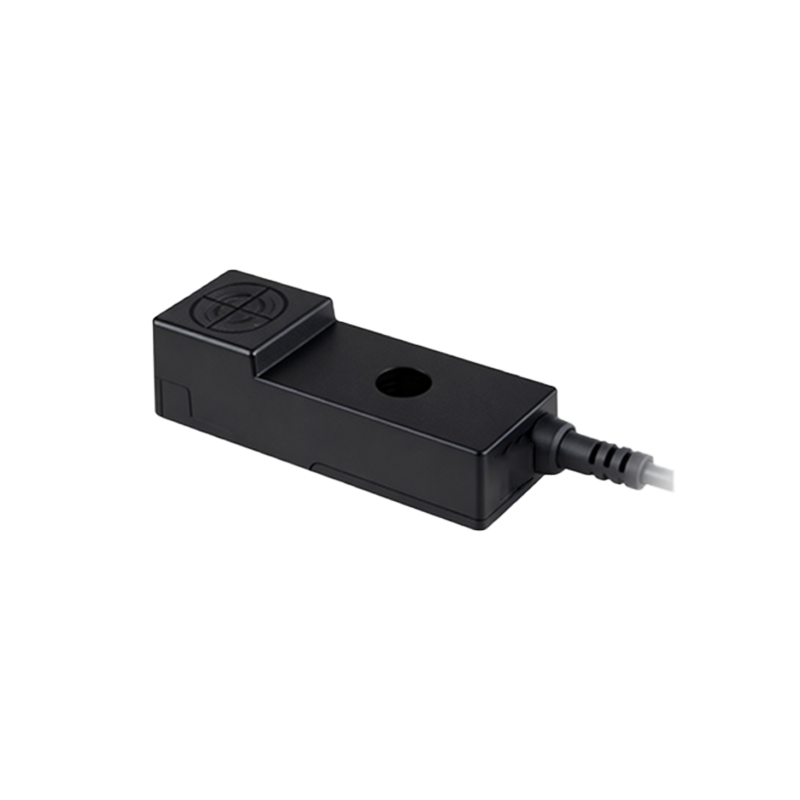
Magnetic proximity sensors detect magnetic fields, typically from permanent magnets. They use reed switches or Hall effect elements to sense the presence of a magnet. These sensors are known for their simplicity, low power consumption, and reliability in extreme temperatures. Sensing distances are generally short, making them suitable for precise position detection, such as in cylinder position sensing, door closure systems, and speed measurement in rotating machinery.
In summary, selecting the appropriate proximity sensor depends on factors like target material, required sensing distance, environmental conditions, and application specifics. Inductive sensors are best for metals, capacitive for diverse materials, ultrasonic for long-range and harsh environments, photoelectric for high-speed detection, and magnetic for simple, durable solutions. Understanding these types and characteristics ensures optimal performance in industrial automation, contributing to enhanced productivity and system integrity. Engineers should consult manufacturer specifications and conduct testing to match sensors with their unique operational needs.