In the evolving landscape of electrical engineering and automation, proximity sensors for door handles have emerged as pivotal components, driving advancements in safety, energy efficiency, and user convenience. These sensors, typically based on inductive, capacitive, or infrared technologies, detect the presence of a hand or object near a door handle without physical contact. This non-invasive operation not only reduces mechanical wear but also enables seamless integration into smart building systems, aligning with the growing demand for automated and responsive environments.
The core principle behind these sensors involves generating an electromagnetic field or using optical methods to sense proximity. Inductive sensors, for instance, are ideal for metal handles, as they detect changes in inductance when a conductive object approaches. Capacitive sensors, on the other hand, respond to the dielectric properties of objects, making them suitable for a wider range of materials, including human skin. Infrared sensors offer another layer of functionality by detecting heat or motion, often used in conjunction with other types for enhanced accuracy. This technological diversity allows engineers to tailor solutions based on specific application requirements, such as in industrial settings, residential complexes, or commercial buildings.
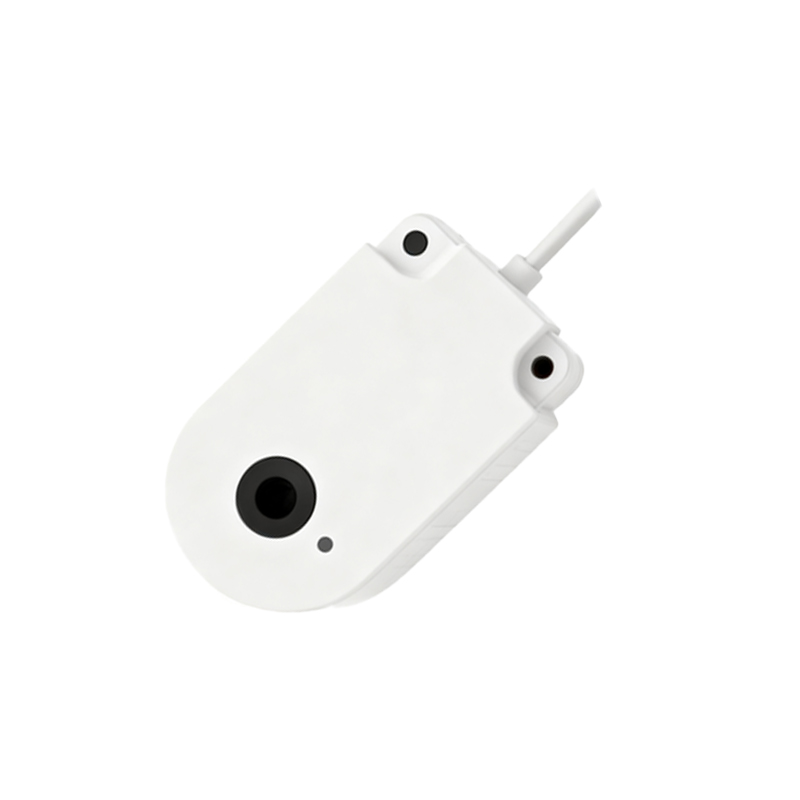
From a safety perspective, proximity sensors on door handles contribute significantly to hygiene and accident prevention. In healthcare facilities or public spaces, touchless operation minimizes the spread of pathogens, a concern that has gained prominence in recent years. Additionally, these sensors can be integrated with alarm systems to detect unauthorized access or tampering, providing an extra layer of security. For example, if a sensor detects prolonged proximity without a corresponding unlock signal, it can trigger alerts or lock mechanisms, deterring potential intrusions. This proactive approach to safety is a key advantage in modern electrical designs, where real-time monitoring and response are paramount.
Energy efficiency is another critical benefit. By automating door operations, proximity sensors help regulate indoor climate control by ensuring doors are only opened when necessary. In smart homes or offices, this can be linked to HVAC systems, reducing energy waste and lowering operational costs. Moreover, the low power consumption of modern sensor designs, often incorporating microcontrollers and wireless communication modules like Zigbee or Bluetooth, supports sustainable practices without compromising performance. Engineers must consider factors such as power supply options, sensor range, and environmental conditions during installation to optimize these efficiencies.
The integration of door handle proximity sensors into the Internet of Things (IoT) ecosystem represents a forward leap in automation. Through connectivity with central management systems, these sensors enable data collection and analysis, such as tracking door usage patterns or predicting maintenance needs. This data-driven approach allows for predictive upkeep, reducing downtime and extending the lifespan of electrical components. In industrial applications, for instance, sensors can be calibrated to withstand harsh conditions like extreme temperatures or moisture, ensuring reliability in diverse environments. The choice of sensor type and placement requires careful engineering analysis to balance sensitivity, cost, and durability.
Despite their advantages, challenges exist in implementing proximity sensors for door handles. False triggers due to environmental interference, such as metal objects or electrical noise, can affect reliability. Engineers address this through shielding techniques, firmware algorithms, and regular calibration. Additionally, the initial installation and maintenance costs may be higher compared to traditional mechanical handles, but the long-term benefits in safety and efficiency often justify the investment. As technology advances, we are seeing trends toward miniaturization and enhanced AI capabilities, allowing sensors to learn from user behavior and adapt dynamically.
In conclusion, proximity sensors for door handles are transforming electrical systems by merging safety, automation, and sustainability. Their role in modern engineering extends beyond mere convenience, contributing to smarter infrastructure and improved user experiences. For professionals in the electrical industry, staying updated on these technologies is essential for designing innovative solutions that meet evolving standards and client expectations. As we move toward more interconnected and automated worlds, the humble door handle sensor stands as a testament to how small components can drive significant change in our built environment.