In the realm of industrial monitoring and predictive maintenance, laser vibration sensors have emerged as a pivotal technology for non-contact, high-precision measurement. Unlike traditional contact sensors like accelerometers, which require physical mounting and can alter the dynamics of lightweight or rotating structures, laser vibrometers utilize the principles of laser Doppler interferometry to measure vibration velocity and displacement remotely. This capability makes them indispensable in applications ranging from aerospace component testing to precision manufacturing and condition monitoring of critical machinery.
The core operating principle of a laser vibration sensor is based on the Doppler effect. The sensor emits a coherent laser beam towards the target surface. The vibration of this surface causes a shift in the frequency of the reflected light. This frequency shift is directly proportional to the velocity of the vibration. An internal interferometer within the sensor compares the frequency of the emitted beam with that of the reflected beam, precisely calculating the velocity. By integrating this velocity signal, displacement data can also be derived. Modern single-point and scanning laser vibrometers can capture data from multiple points, creating detailed operational deflection shapes and modal analysis without any mass loading effect.
The advantages of this technology are substantial. First, it offers exceptional resolution and a wide frequency range, capable of detecting sub-micrometer displacements and frequencies from near DC to several MHz. This is crucial for analyzing high-speed turbomachinery, micro-electromechanical systems (MEMS), and delicate components. Second, the non-contact nature eliminates the risk of sensor damage in harsh environments (extreme temperatures, corrosive atmospheres) and allows measurement on hot, fragile, or rotating parts where physical contact is impossible or hazardous. Third, it enables measurements from a safe distance, enhancing operator safety when inspecting live equipment or hazardous areas.
Industrial applications are diverse and critical. In the power generation sector, laser vibrometers are used for blade vibration analysis in turbines and monitoring stator core conditions. In automotive and aerospace, they are essential for NVH (Noise, Vibration, and Harshness) testing, brake squeal analysis, and characterizing the dynamic behavior of composite materials. In electronics manufacturing, they assess the reliability of circuit boards and micro-components. Furthermore, they play a vital role in predictive maintenance programs, allowing engineers to detect early signs of imbalance, misalignment, bearing defects, or resonance in pumps, motors, and fans before catastrophic failure occurs, thereby minimizing downtime and repair costs.
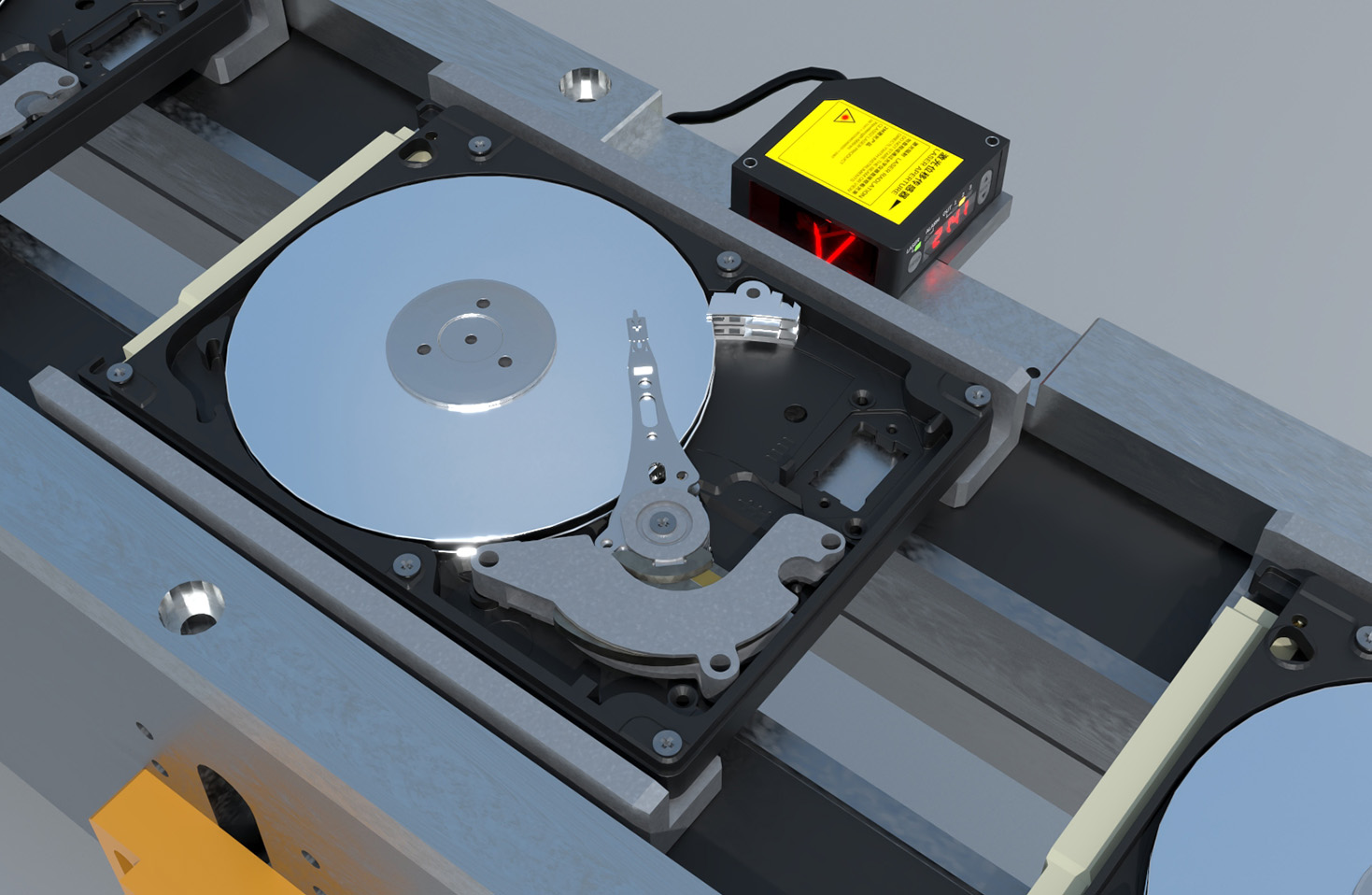
Selecting the appropriate laser vibration sensor requires careful consideration of several key parameters. The required measurement range (displacement or velocity) and frequency bandwidth must match the target's expected vibration characteristics. The stand-off distance (working distance) and laser spot size are critical; longer distances and smaller targets require sensors with appropriate optics. The type of target surface is also important, as rough, dark, or transparent materials may reflect less light, potentially requiring a retro-reflective tape to enhance signal quality. Engineers must also consider whether a single-point sensor suffices or if a scanning system is needed for full-field analysis. Integration with existing data acquisition systems and software for real-time FFT analysis and data visualization is another crucial factor.
Despite their advantages, challenges exist. Measurements can be sensitive to environmental disturbances like air turbulence or strong ambient light. The target must remain within the sensor's line-of-sight, and surface preparation might sometimes be necessary. However, ongoing advancements in laser technology, digital signal processing, and integrated solutions are continuously improving robustness, ease of use, and data interpretation capabilities.
For the practicing engineer, mastering laser vibration measurement is an investment in enhanced diagnostic accuracy and operational efficiency. By providing a clear, quantitative picture of dynamic behavior without intrusion, these sensors empower professionals to design more reliable products, optimize manufacturing processes, and implement truly proactive maintenance strategies, ultimately driving safety, quality, and profitability in modern industrial operations. As Industry 4.0 and smart factory concepts evolve, the integration of laser vibrometry data with IoT platforms and AI-driven analytics will further solidify its role as a cornerstone of advanced industrial condition monitoring.