In the realm of industrial automation and electronic control systems, proximity sensors stand as indispensable components. These devices, designed to detect the presence or absence of an object without physical contact, are fundamental to modern manufacturing, robotics, and safety systems. This guide delves into the principles, types, key specifications, and practical applications of proximity sensors, providing a thorough understanding for engineers and technicians.
The core operating principle of a proximity sensor is based on the disturbance of an electromagnetic field, acoustic wave, or light beam. The most common types utilize electromagnetic induction or capacitance. Inductive proximity sensors generate an oscillating electromagnetic field from a coil. When a metallic object enters this field, eddy currents are induced in the object, causing a change in the oscillation amplitude. This change is detected by the sensor's circuitry, triggering an output signal. Capacitive sensors, on the other hand, can detect both metallic and non-metallic objects by sensing changes in capacitance between the sensor and the target.
Beyond these, several other technologies are prevalent. Photoelectric sensors use a light emitter and receiver to detect objects that interrupt or reflect a light beam. They are excellent for long-range detection and can sense virtually any material. Ultrasonic sensors measure the time-of-flight of high-frequency sound waves to determine distance to an object, making them suitable for challenging environments with dust, smoke, or varying colors. Hall Effect sensors detect magnetic fields and are primarily used for sensing the position of permanent magnets.
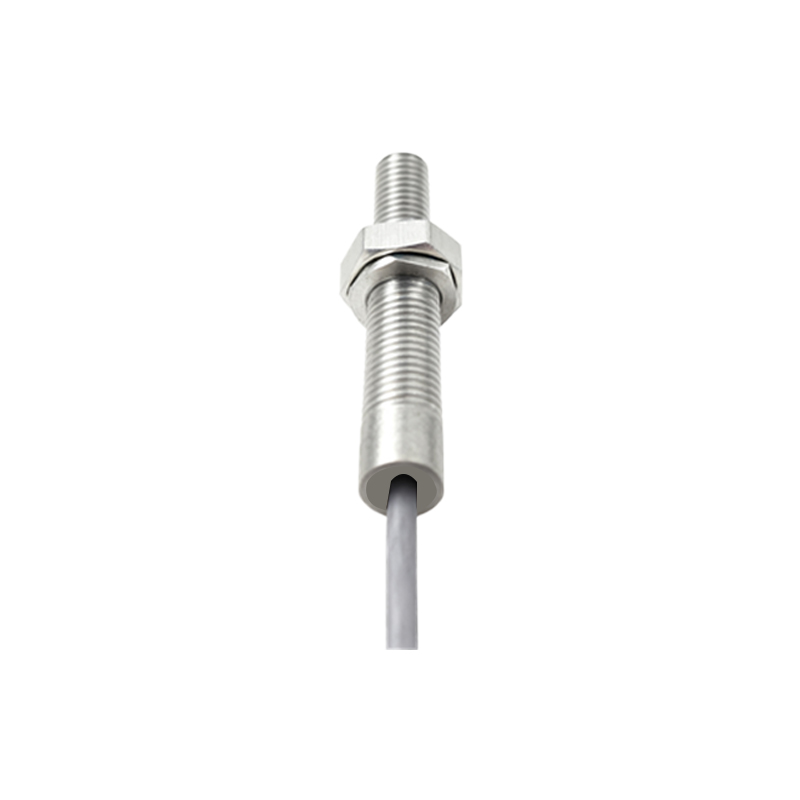
Selecting the appropriate proximity sensor requires careful consideration of several parameters. Sensing range, often called nominal range (Sn), is the maximum distance at which a standard target can be reliably detected. It is crucial to note that the actual sensing distance can vary with target material, size, and shape. The housing material, typically nickel-plated brass, stainless steel, or PBT plastic, must be chosen based on the environmental conditions, including exposure to chemicals, temperature extremes, and physical impact. Output configuration is another critical choice; sensors can provide digital (NPN or PNP transistor) or analog (4-20 mA, 0-10V) outputs. The connection type, such as pre-wired cables or quick-disconnect connectors, also impacts installation and maintenance.
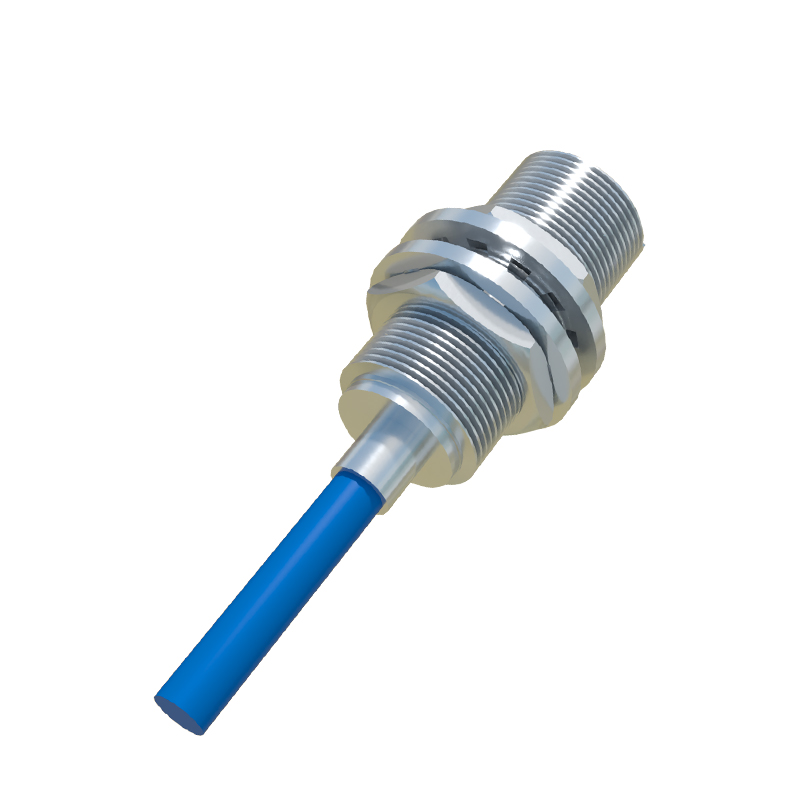
Applications for proximity sensors are vast and varied. In automotive assembly lines, inductive sensors count parts and verify the position of robotic arms. On packaging machinery, photoelectric sensors ensure labels are correctly placed and boxes are properly sealed. Capacitive sensors are used in liquid level control, detecting materials like plastic, glass, or wood. In material handling, ultrasonic sensors guide automated guided vehicles (AGVs) and manage inventory on high-bay racks. Safety is another critical domain, where sensors form part of interlock systems on machine guards, preventing operation when doors are open.
Installation and environmental factors significantly influence sensor performance. Sensors should be mounted securely to avoid vibration-induced errors. It is essential to maintain the recommended clearance from other metal objects to prevent mutual interference, especially with inductive sensors. Temperature fluctuations can affect sensing ranges, and protective housings (IP ratings) are necessary for operation in wet, dusty, or corrosive atmospheres. Regular maintenance, including cleaning the sensing face and checking electrical connections, ensures long-term reliability and accuracy.
In conclusion, proximity sensors are versatile and critical elements in automation. Understanding their underlying technologies, specifications, and application nuances is key to designing efficient, reliable, and safe control systems. From simple object detection to complex positioning tasks, the right sensor choice enhances system performance, reduces downtime, and drives operational efficiency across countless industries.