In modern industrial automation, process control, and precision measurement systems, sensors utilizing laser technology are ubiquitous. From LiDAR in autonomous vehicles to barcode scanners in logistics, and from laser triangulation displacement sensors in manufacturing to spectroscopic analyzers in laboratories, the reliable operation of the laser source is paramount. However, engineers and technicians frequently encounter the frustrating and often costly issue of laser failure or "laser熄灭" (laser extinguishing). This phenomenon, where the laser diode ceases to lase or its output power degrades catastrophically, can halt production lines, compromise data integrity, and lead to significant downtime. Understanding the root causes is not merely an academic exercise but a critical necessity for ensuring system reliability and optimizing maintenance schedules. The failure mechanisms can be broadly categorized into intrinsic factors related to the laser diode itself and extrinsic factors stemming from the operating environment and driving circuitry.
At the heart of most sensor lasers is the semiconductor laser diode. Intrinsic failure modes are often linked to the gradual degradation of the semiconductor materials. One primary cause is Catastrophic Optical Damage (COD). This occurs when the optical power density at the laser diode's facets exceeds a critical threshold, leading to localized melting and irreversible damage. Facet oxidation can accelerate this process. Even in hermetically sealed packages, minute impurities can lead to the formation of non-radiative recombination centers, absorbing light and generating heat that destroys the facet. Another intrinsic mechanism is the growth of Dark Line Defects (DLDs) and Dark Spot Defects (DSDs). These are crystallographic defects that propagate through the active region of the diode, acting as centers for non-radiative recombination. They effectively "steal" carriers that would otherwise contribute to stimulated emission, leading to a gradual decrease in output power and eventual failure. The rate of such defect growth is heavily influenced by operating conditions, particularly temperature and current density.
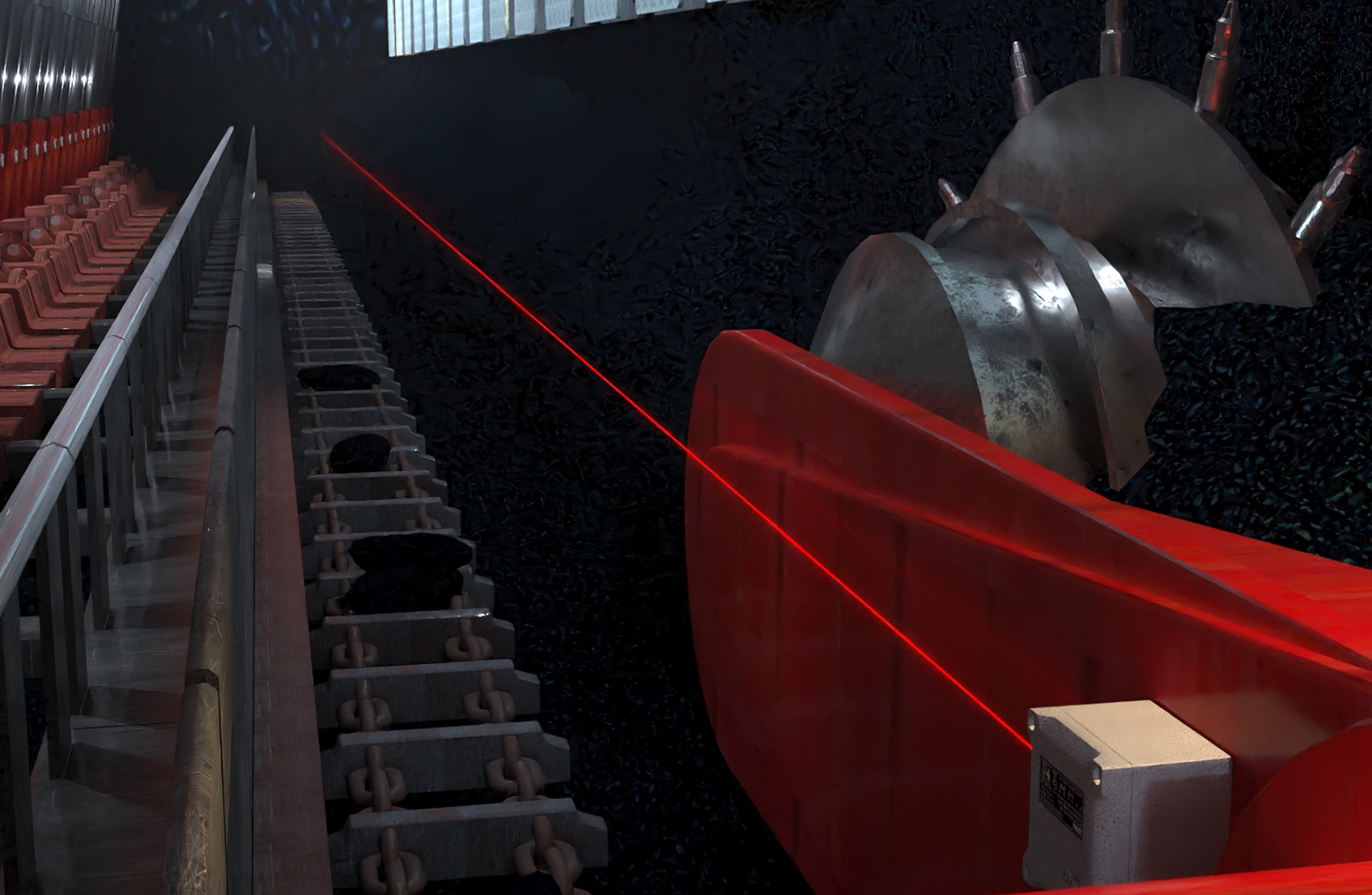
Extrinsic factors, however, account for a significant majority of field failures. Foremost among these is thermal mismanagement. The efficiency of a laser diode is inherently temperature-sensitive. Excessive junction temperature accelerates all degradation processes, shortens lifespan, and can cause immediate thermal runaway. Inadequate heat sinking, poor thermal interface material application, or an increase in ambient temperature beyond design specifications are common culprits. An engineer must always remember that the rated output power is contingent upon maintaining the junction temperature within safe limits, often requiring a thermoelectric cooler (TEC) for high-power or precision applications.
Electrical overstress is another critical extrinsic cause. This encompasses both steady-state and transient events. Driving the laser with a current exceeding its absolute maximum rating, even briefly, can cause immediate COD. More insidious are voltage transients from the power supply or electrostatic discharge (ESD). Laser diodes are exceptionally sensitive to reverse voltage spikes and ESD events, which can puncture the P-N junction instantly. A robust driver circuit with proper current regulation, slow-start features, and protection against transients and back-emf from other system components is non-negotiable. Furthermore, optical feedback can be destructive. Unintended reflections from sensor targets, lenses, or dirty windows can couple back into the laser cavity, destabilizing it and causing power surges that lead to COD. The use of optical isolators is standard practice in sensitive systems.
Contamination is a silent killer. Particulate matter, outgassed hydrocarbons from adhesives, or moisture ingress can deposit on the laser's output window or the diode facet itself. These contaminants absorb laser energy, heat up, and can carbonize, causing local heating and facet damage. In non-hermetic packages, humidity can lead to corrosion of bond wires and contacts. The operating environment must be considered during sensor selection and enclosure design.
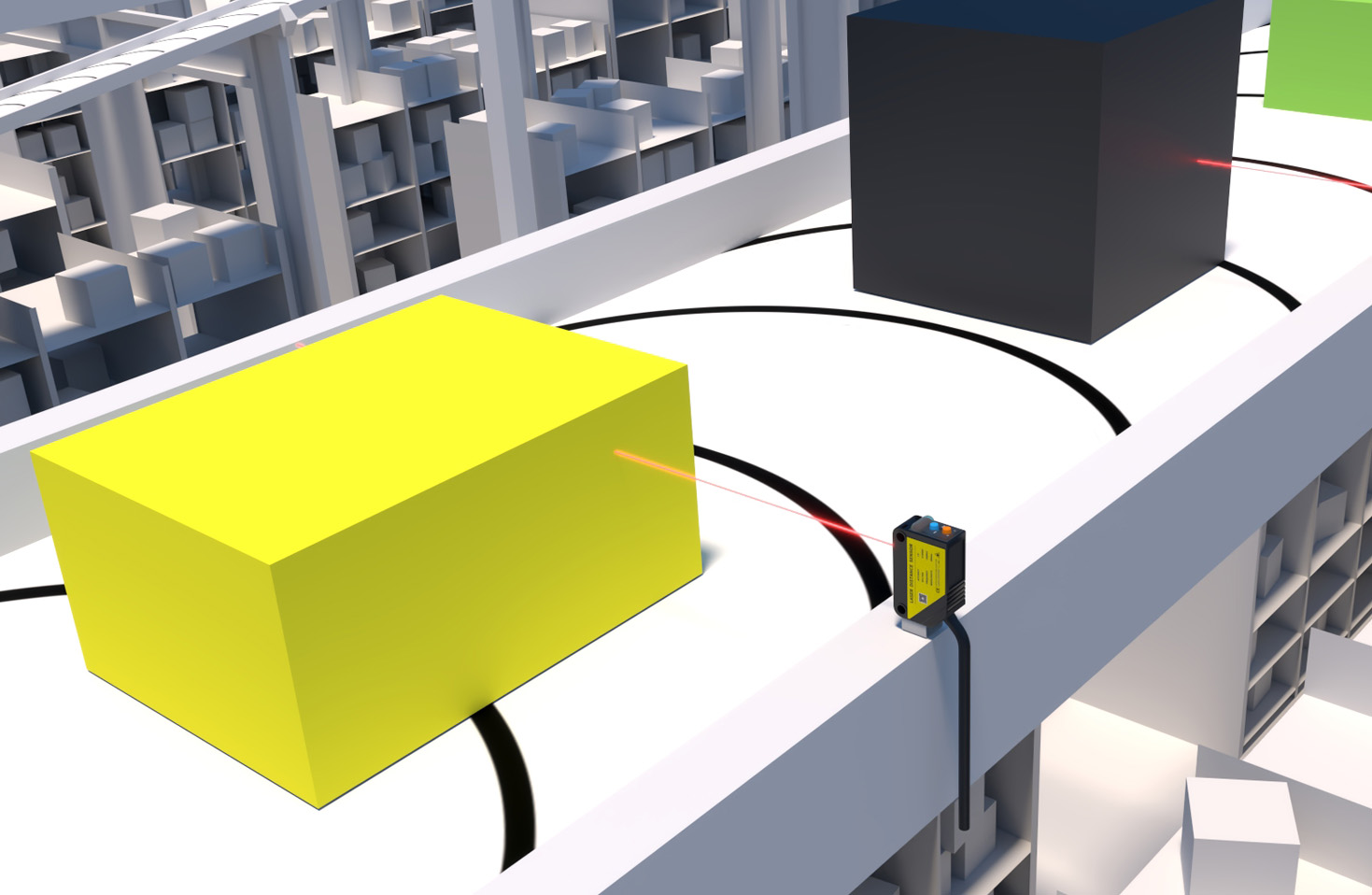
From a systems engineering perspective, failure is often a chain of events. A marginal heat sink compound may dry out over time, increasing thermal resistance. This raises the junction temperature, which increases the laser's threshold current. The driver circuit, set to a constant optical power mode, responds by increasing the drive current, further elevating the temperature—a classic positive feedback loop ending in failure. Therefore, predictive maintenance should monitor not just laser output, but also drive current and heatsink temperature as leading indicators.
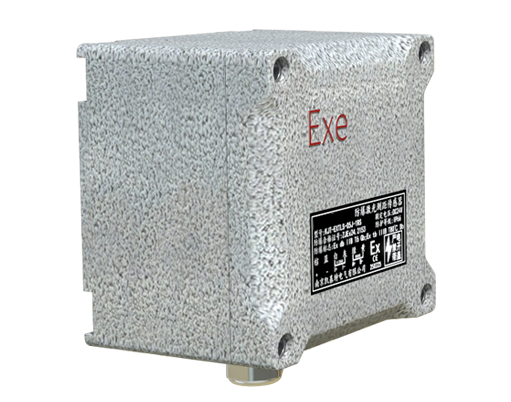
Prevention strategies are multi-layered. Selection begins with choosing a laser diode and package rated for the specific application's environmental and lifetime requirements. Derating—operating the laser at a current and temperature significantly below its maximum ratings—is the most effective way to extend lifespan exponentially. The implementation failsafe driver circuitry with monitoring and feedback loops is crucial. Mechanical design must ensure efficient, stable thermal management and protection from physical shock and vibration. Finally, establishing a regular maintenance schedule to clean optical surfaces and check for environmental changes can prevent unexpected downtime.
In conclusion, laser failure in sensors is rarely a random event. It is typically the result of identifiable and often preventable causes rooted in thermal, electrical, optical, or environmental stress. A deep understanding of these failure mechanisms empowers engineers to design more robust systems, specify components correctly, and implement effective diagnostic and maintenance protocols. By treating the laser not as a simple component but as a delicate electro-optical system with strict operational boundaries, the reliability and longevity of the entire sensor system can be dramatically enhanced.