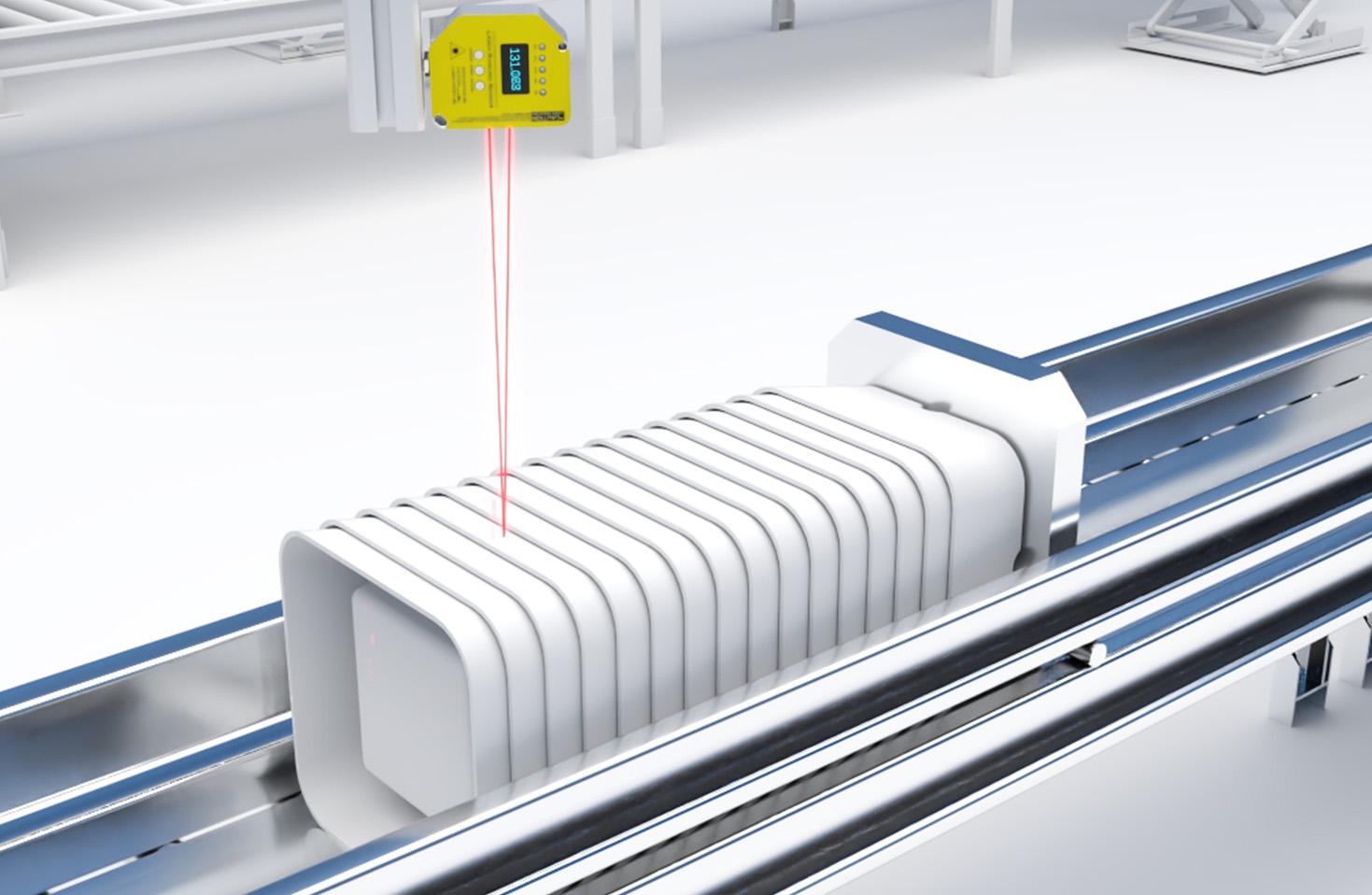
In the realm of industrial automation and quality control, the ability to accurately differentiate colors is paramount. Laser sensors, traditionally celebrated for their precision in distance and displacement measurements, have evolved to become powerful tools for color recognition and sorting. Unlike conventional color sensors that rely on broad-spectrum light sources, laser-based systems utilize monochromatic, coherent light to achieve superior resolution and reliability in challenging environments.
The fundamental principle behind laser color differentiation lies in the interaction between laser light and material surfaces. When a laser beam strikes an object, its wavelength-specific light is reflected, absorbed, or scattered based on the surface's chromatic properties. Advanced laser sensors are equipped with high-sensitivity photodetectors that analyze the reflected spectrum. By employing multiple laser diodes emitting at distinct wavelengths—such as red (650 nm), green (532 nm), and blue (445 nm)—these sensors can capture detailed spectral signatures. Sophisticated algorithms then process this data, comparing it against pre-calibrated references to identify even subtle hue variations. This method proves exceptionally effective for materials where color differences are minimal, such as in pharmaceutical tablet sorting, textile grading, or electronic component verification.
One of the standout advantages of laser sensors in color applications is their immunity to ambient light interference. The coherent nature of laser light allows for precise filtering, ensuring that only the intended wavelength is measured. This makes them ideal for industrial settings with variable lighting conditions, such as manufacturing floors or outdoor logistics hubs. Additionally, laser sensors offer non-contact measurement, preserving the integrity of delicate items like food products or painted surfaces. Their high-speed response—often in the microsecond range—enables real-time sorting on fast-moving production lines, significantly boosting efficiency while reducing waste.
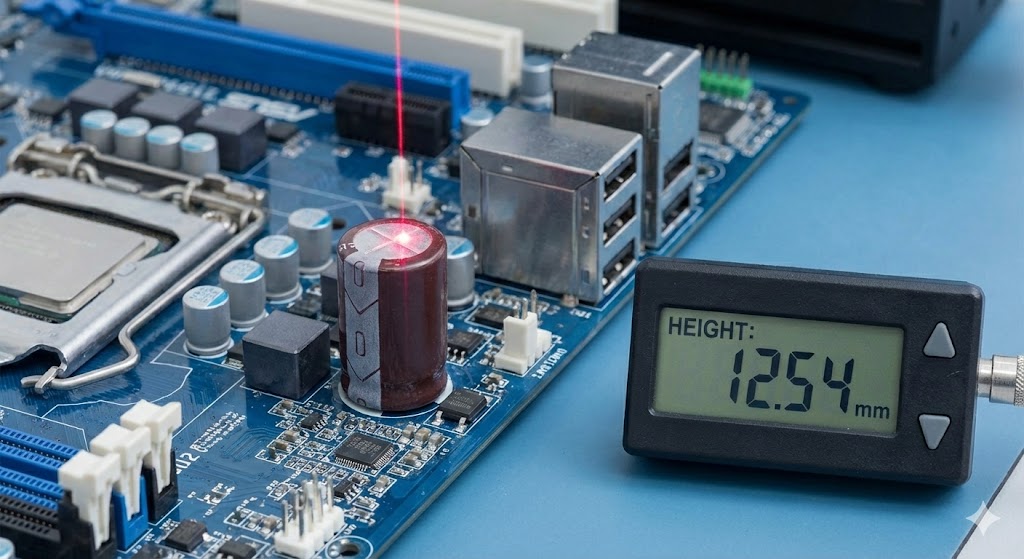
In practice, integrating laser color sensors requires careful consideration of factors like target material, surface texture, and required accuracy. For instance, glossy surfaces may produce specular reflections that need diffusers or angled mounting to mitigate. Modern sensors often include programmable logic controllers (PLCs) or embedded software for adaptive threshold setting, allowing customization for specific hues or shades. Industries such as automotive manufacturing use these systems to verify paint consistency, while recycling plants deploy them to separate plastics by color for material recovery. The integration with IoT platforms further enables predictive maintenance and data analytics, enhancing overall operational intelligence.
Despite their robustness, challenges persist. Highly transparent or deeply colored materials can absorb laser light, reducing signal strength. However, advancements in pulsed laser technology and enhanced detector sensitivity continue to broaden applicability. Future trends point toward miniaturization and multi-spectral laser arrays capable of capturing full-color profiles in a single scan. As industries increasingly prioritize automation and quality assurance, laser-based color differentiation stands as a critical technology driving precision and innovation.
Ultimately, laser sensors transform color recognition from a subjective visual task into an objective, quantifiable process. By delivering unmatched accuracy and speed, they empower industries to achieve higher standards of product consistency and regulatory compliance. Whether in food safety, electronics assembly, or sustainable manufacturing, these systems exemplify how targeted optical engineering can solve complex industrial challenges, paving the way for smarter, more responsive production ecosystems.