In modern industrial automation systems, the integration of proximity switches with speed sensors represents a critical advancement in monitoring and control technologies. Proximity switches, known for their non-contact detection capabilities, are widely used to sense the presence or absence of objects within a specified range. When combined with speed sensors, which measure rotational or linear velocity, these components form a robust solution for real-time data acquisition and process optimization. This article delves into the technical aspects, applications, and benefits of this integration, adhering to industry standards and practices.
Proximity switches operate on principles such as inductive, capacitive, or magnetic sensing, allowing them to detect metallic or non-metallic objects without physical contact. Inductive proximity switches, for instance, generate an electromagnetic field to sense ferrous materials, making them ideal for harsh environments where dust, moisture, or vibrations are present. Speed sensors, on the other hand, typically employ technologies like Hall effect, optical encoders, or tachometers to measure motion parameters. By linking a proximity switch to a speed sensor, engineers can achieve precise triggering and synchronization in machinery. For example, in conveyor belt systems, a proximity switch can detect the passage of an item, while a speed sensor monitors the belt's velocity, enabling adjustments to prevent jams or ensure consistent spacing.
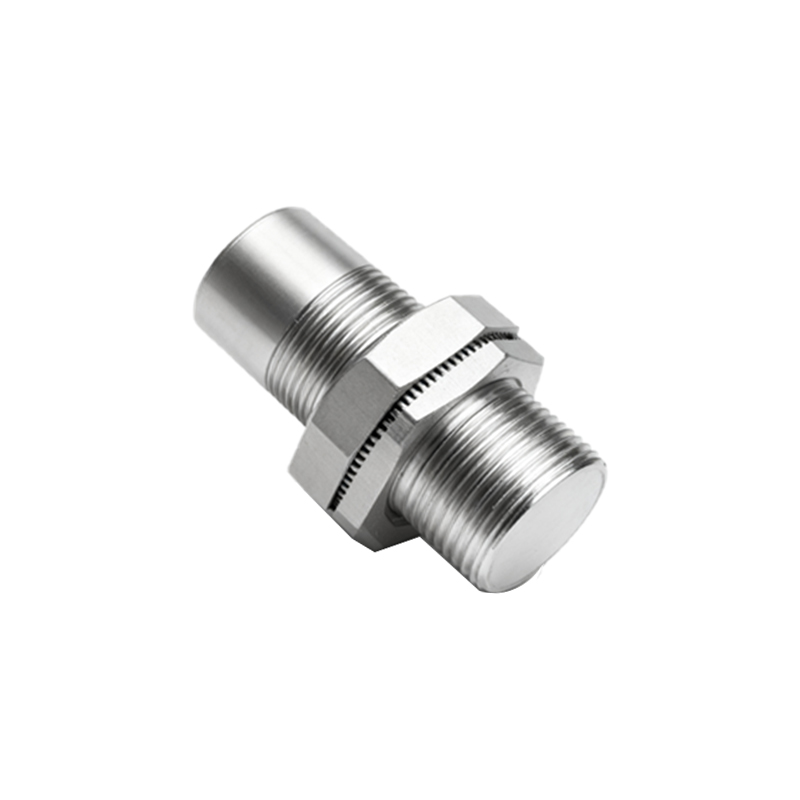
The integration process involves careful selection of compatible components based on factors like sensing distance, response time, and environmental conditions. Proximity switches must be chosen with appropriate output types—such as PNP or NPN configurations—to match the input requirements of speed sensors or programmable logic controllers (PLCs). Wiring and installation should follow industry guidelines, such as those from IEC or ANSI standards, to ensure safety and reliability. Signal conditioning may be necessary to filter noise or amplify weak signals, especially in high-interference settings like manufacturing plants with heavy machinery. Additionally, calibration is crucial; speed sensors often require alignment with rotating shafts or linear tracks, while proximity switches need tuning to avoid false triggers from nearby objects.
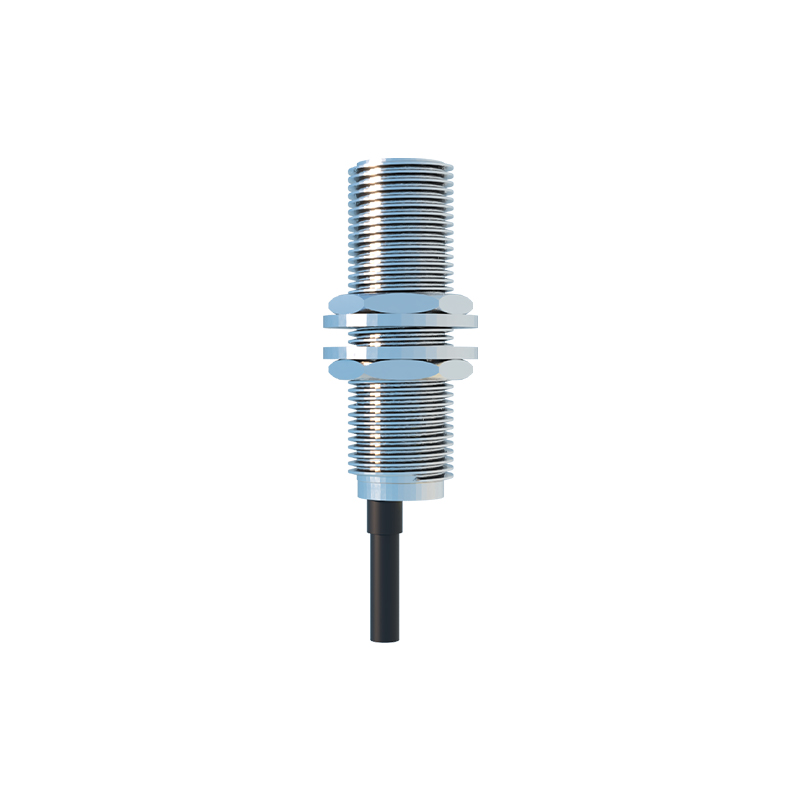
Applications of this integration span various sectors, including automotive manufacturing, packaging, and material handling. In automotive assembly lines, proximity switches combined with speed sensors monitor the position and speed of robotic arms, enhancing precision in welding or painting operations. In packaging machinery, they ensure that products move at optimal speeds through sealing or labeling stations, reducing waste and improving throughput. The benefits are manifold: increased efficiency through automated feedback loops, reduced downtime due to predictive maintenance alerts, and enhanced safety by preventing collisions or overloads. Data from these sensors can be fed into supervisory control and data acquisition (SCADA) systems for analytics, supporting Industry 4.0 initiatives like predictive analytics and digital twins.
Despite its advantages, challenges exist in integrating proximity switches with speed sensors. Electromagnetic interference (EMI) from motors or power lines can disrupt signals, necessitating shielded cables or proper grounding. Temperature fluctuations may affect sensor accuracy, requiring components rated for industrial temperature ranges. Regular maintenance, such as cleaning lens surfaces on optical speed sensors or checking alignment, is essential to sustain performance. Future trends point toward smart sensors with embedded diagnostics and wireless connectivity, simplifying integration and enabling remote monitoring.
In conclusion, the synergy between proximity switches and speed sensors offers a powerful tool for industrial automation, driving productivity and reliability. By understanding their operational principles and implementation strategies, engineers can design systems that meet evolving demands for speed, accuracy, and connectivity in a competitive global market.