PM laser sensors, also known as photoelectric or photometric laser sensors, are fundamental components in modern industrial automation and measurement systems. These devices operate based on the principle of emitting a focused laser beam and detecting changes in the received light to determine the presence, distance, or characteristics of a target object. The core mechanism involves a laser diode that generates coherent, monochromatic light, which is then projected toward the target. When the beam interacts with the object, it may be reflected, absorbed, or scattered, depending on the surface properties. A photodetector, typically a photodiode or phototransistor, captures the returning light and converts it into an electrical signal. This signal is processed by integrated circuitry to provide precise, real-time data.
One of the key advantages of PM laser sensors is their high accuracy and resolution, enabled by the laser's narrow beam and minimal divergence. This allows for reliable detection of small objects or precise measurements over long distances, even in challenging environments with dust, vibration, or variable lighting. Common configurations include through-beam, retro-reflective, and diffuse reflective modes. In through-beam setups, the emitter and receiver are separate units, offering the highest reliability by detecting interruptions in the beam. Retro-reflective sensors use a reflector to bounce light back to the receiver, simplifying alignment. Diffuse reflective models have both emitter and receiver in one housing, detecting light scattered directly from the target, which is useful for versatile applications but can be influenced by surface color or texture.
Advanced PM laser sensors incorporate modulation techniques, such as pulse modulation or amplitude modulation, to enhance immunity to ambient light interference. By emitting coded light pulses and synchronizing detection, these sensors filter out noise, ensuring stable performance in bright or fluctuating conditions. Additionally, time-of-flight (ToF) principles are employed in distance-measuring variants, where the sensor calculates the round-trip time of the laser pulse to determine range with millimeter-level precision. This is particularly valuable in logistics, robotics, and quality control, where non-contact measurement is critical.
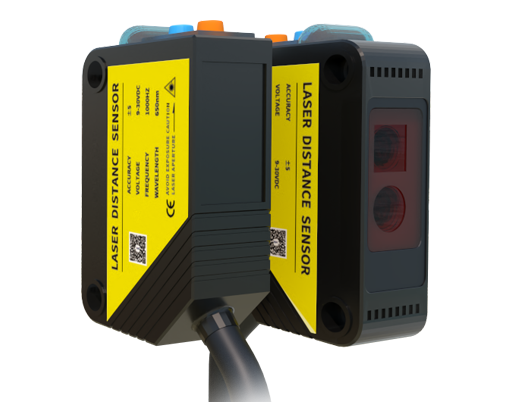
The applications of PM laser sensors span numerous industries. In manufacturing, they are used for object detection on conveyor belts, part positioning in assembly lines, and thickness monitoring in production processes. Automotive systems rely on them for collision avoidance, parking assistance, and automated guidance. In packaging, sensors ensure fill levels, label placement, and seal integrity. Their robustness and low maintenance requirements make them ideal for harsh settings like mining or agriculture, where they monitor material levels or detect equipment obstructions.
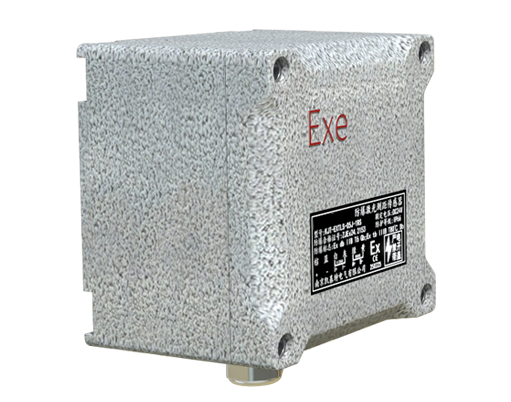
When selecting a PM laser sensor, factors such as sensing range, response time, output type (e.g., analog, digital, or IO-Link), and environmental ratings (IP67 for dust and water resistance) must be considered. Regular calibration and alignment are essential to maintain accuracy, though modern designs often feature self-diagnostic capabilities. As technology evolves, trends include miniaturization, integration with IoT for smart factory networks, and enhanced data analytics via embedded processors. These innovations continue to expand the role of PM laser sensors in driving efficiency and safety across industrial operations.
In summary, PM laser sensors leverage precise optical and electronic principles to deliver reliable, non-contact sensing solutions. Their ability to adapt to diverse conditions and provide high-speed, accurate data makes them indispensable in today's automated world, supporting advancements in productivity and innovation.