Laser sensors are critical components in modern industrial automation, offering high precision for detection, measurement, and positioning tasks. However, like any electronic device, they are susceptible to failures that can disrupt production lines and cause costly downtime. Understanding common failure modes and their solutions is essential for maintenance engineers and system integrators.
One prevalent issue is optical path contamination. Dust, oil mist, or debris accumulating on the sensor's lens or the reflector surface can attenuate the laser beam, leading to unreliable readings or complete signal loss. In environments such as machining workshops or packaging plants, regular cleaning using approved lens cleaners and soft cloths is mandatory. Installing protective housings or air purge systems can significantly reduce contamination rates.
Misalignment is another frequent culprit. Vibration, mechanical shock, or thermal expansion can shift the sensor or target slightly, causing the beam to miss the receiver. Engineers should verify alignment using alignment tools or the sensor's built-in indicators. Securing mounting brackets and using vibration-dampening materials can enhance stability. For long-range applications, ensuring the target remains within the sensor's specified sensing window is crucial.
Electrical problems often stem from power supply issues. Voltage spikes, ripple, or incorrect voltage levels can damage internal circuits. Always use stabilized power sources and check for grounding faults. Wiring errors, such as reversed polarity or loose connections in the cable harness, can also cause intermittent failures. Employing shielded cables and proper cable management minimizes electromagnetic interference (EMI), which is particularly important in facilities with heavy motor drives or welding equipment.
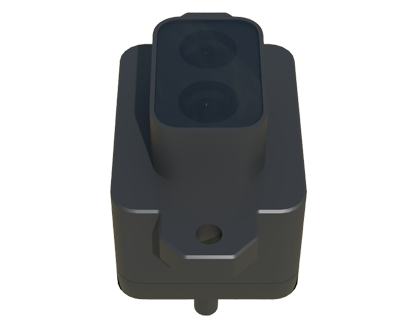
Environmental factors play a significant role. Extreme temperatures beyond the sensor's operating range can affect electronic components and optical elements. For instance, condensation forming on cold lenses in humid conditions scatters the laser beam. Selecting sensors with appropriate IP ratings and temperature specifications for the application environment is key. In outdoor or harsh settings, consider sensors with robust housing and temperature compensation features.
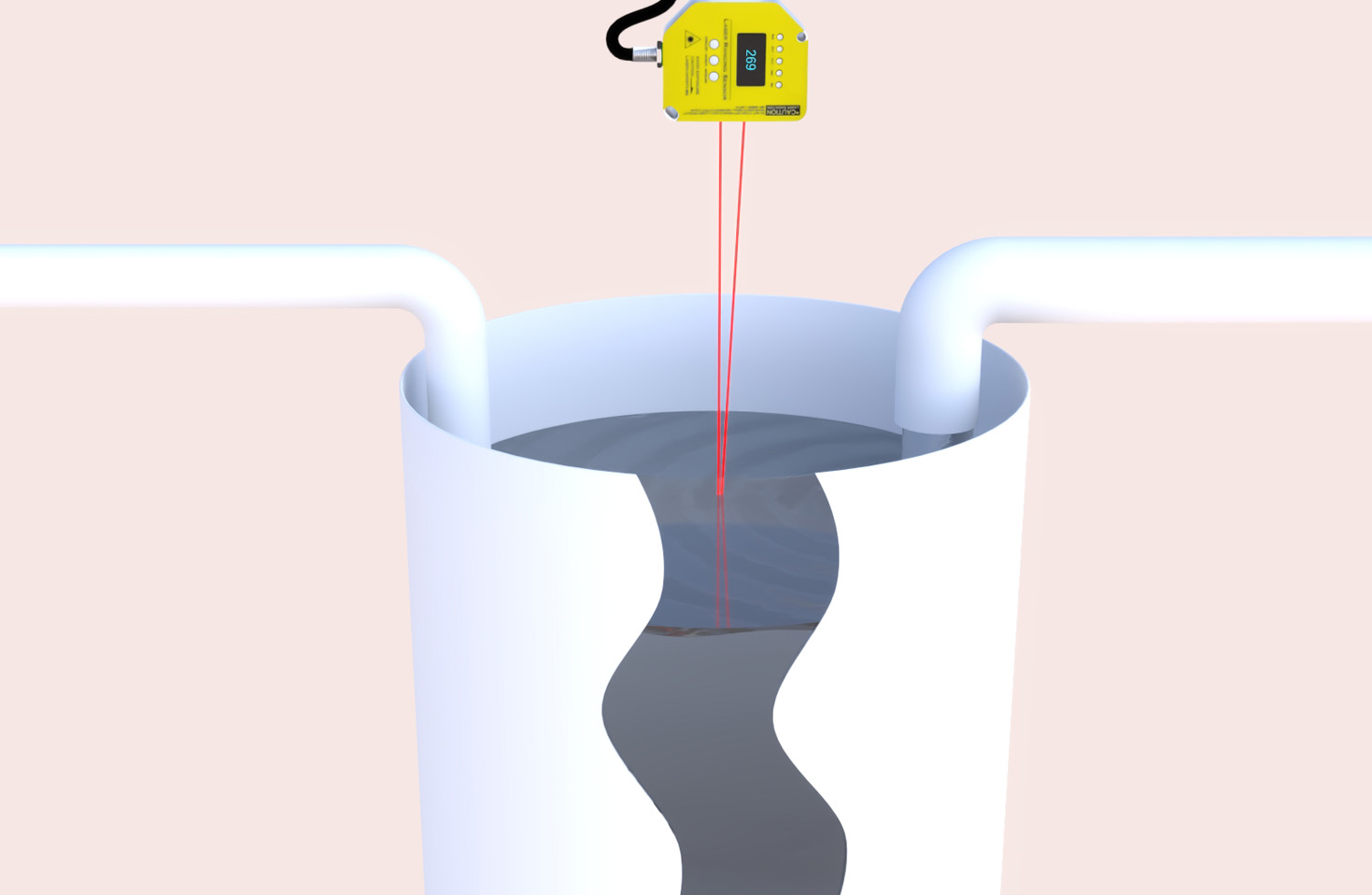
Component degradation over time is inevitable. The laser diode itself may experience output power decay, especially if operated continuously at high intensity. Similarly, the photodetector's sensitivity can diminish. Most sensors have diagnostic LEDs or output signals indicating weak signal strength, prompting preemptive replacement. Adhering to the manufacturer's recommended maintenance schedule and avoiding overdriving the sensor extend its service life.
Software and configuration errors should not be overlooked. Incorrect parameter settings, such as threshold levels or response times, can make a properly functioning sensor appear faulty. Always document configuration settings and use teach-in functions accurately. Firmware updates provided by manufacturers sometimes address known bugs or improve compatibility with control systems.
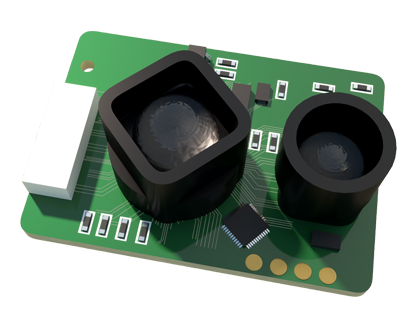
When troubleshooting, follow a systematic approach: First, visually inspect for obvious physical damage or contamination. Next, verify power and wiring integrity. Use an oscilloscope to examine the output signal if possible. Consult the sensor's manual for error codes and diagnostic procedures. Swapping the sensor with a known working unit can quickly isolate the problem. Remember, some issues may originate from the target object itself—changes in color, reflectivity, or surface texture can affect performance.
Preventive maintenance is the best strategy. Establish routine inspection checklists that include cleaning, alignment checks, and electrical tests. Train personnel on proper handling and installation techniques. Investing in high-quality sensors from reputable manufacturers often pays off through higher reliability and better technical support.
In summary, laser sensor failures typically arise from environmental, mechanical, electrical, or human factors. By combining proactive maintenance with methodical troubleshooting, engineers can minimize unplanned stoppages and ensure seamless operation of automated systems. As technology advances, newer sensors with self-diagnostic capabilities and enhanced durability are reducing these challenges, but fundamental engineering principles remain vital for optimal performance.