In industrial automation, robotics, and outdoor applications, proximity sensors are critical components for object detection, positioning, and safety systems. However, when operating in extreme cold environments—such as cold storage facilities, polar research stations, aerospace applications, or winterized outdoor machinery—standard sensors often fail. Low temperature proximity sensors are specifically engineered to overcome these challenges, ensuring reliable performance where conventional units would falter.
The primary challenge in cold environments is the behavior of materials and electronics. Standard sensors typically operate within a commercial temperature range of -25°C to 70°C. Below -25°C, several issues arise. Elastomers and plastics used in housings and seals can become brittle, losing their flexibility and sealing properties, leading to ingress of moisture and eventual failure. Lubricants in moving parts or adjustable components can solidify. Most critically, electronic components, including integrated circuits, capacitors, and especially batteries in wireless models, suffer severely. Semiconductor materials change their conductive properties, and liquid electrolytes in capacitors and batteries can freeze, causing permanent damage or temporary incapacitation.
Low temperature proximity sensors are designed from the ground up to address these points. The design philosophy encompasses material science, electronic engineering, and robust packaging.
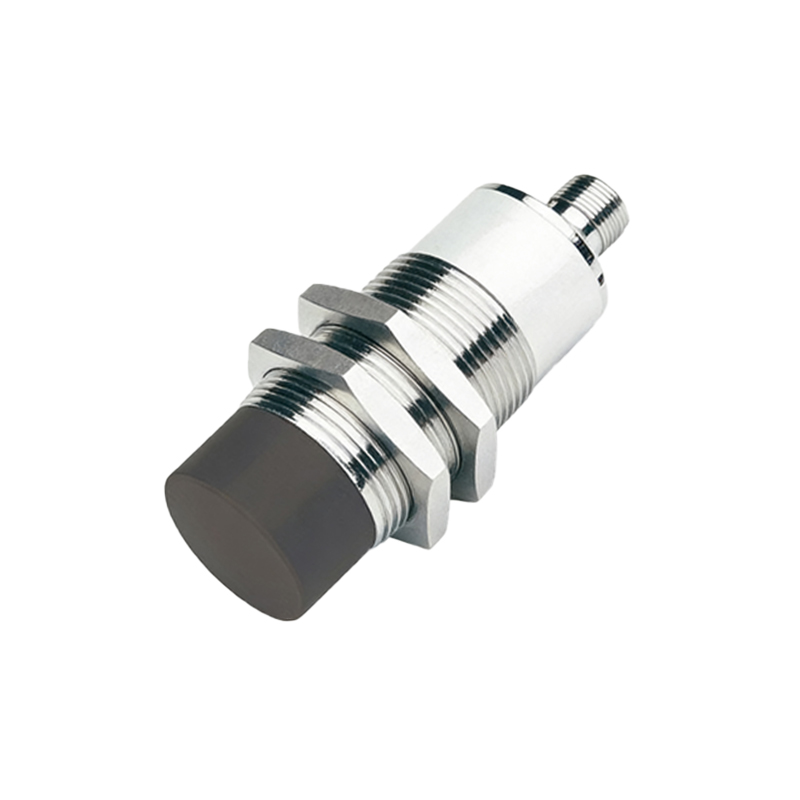
Material Selection: Housings are constructed from metals like stainless steel or specialized engineering polymers such as polyether ether ketone (PEEK) or certain polyamides that retain ductility and impact resistance at temperatures down to -40°C or even -60°C. Seals utilize silicone compounds formulated for low-temperature flexibility or fluorocarbon elastomers (FKM) known for their wide temperature tolerance.
Electronic Design: The heart of the sensor is its circuitry. Designers employ several strategies. First, component selection is paramount. Industrial-grade or military-specification (Mil-Spec) components rated for extended temperature ranges (e.g., -40°C to 125°C) are used. Second, thermal management is considered. While sensors in cold environments rarely overheat, the design must ensure a stable internal temperature during operation. This can involve minimal, strategic use of heating elements or passive insulation to keep critical components like oscillators and microprocessors within their functional window during power-up and operation. Third, firmware is optimized. Algorithms can compensate for minor signal drift caused by temperature-induced changes in coil inductance (in inductive sensors) or crystal oscillator frequency.
Sensing Technology Adaptation: The core sensing principle—whether inductive, capacitive, ultrasonic, or photoelectric—must be stable. For inductive sensors (common for metal detection), the coil design and ferrite core material are chosen for minimal permeability shift with temperature. Capacitive sensors require dielectrics that are stable across the range. Photoelectric sensors face the challenge of LED output variation and lens fogging; thus, they use LEDs with characterized low-temperature performance and hermetically sealed, anti-fogging optical chambers.
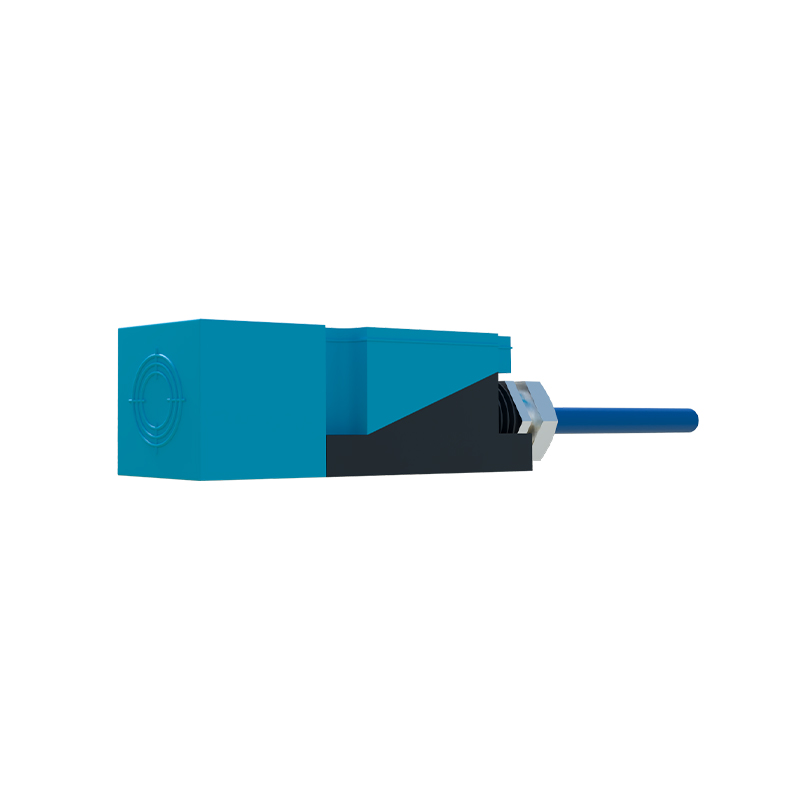
Testing and Validation: A sensor marketed as "low-temperature" is not credible without rigorous testing. Reputable manufacturers subject prototypes and production samples to prolonged soak and operational tests in environmental chambers. Testing verifies not just switching functionality, but also parameters like response time, sensing distance consistency, and current consumption across the specified range. Standards such as IEC 60068-2-1 govern low-temperature testing procedures.
Application-Specific Considerations: Selection goes beyond just a temperature rating. Engineers must consider the entire application context. Will the sensor experience thermal cycling, moving from cold to warmer areas? This can cause condensation inside the housing if not properly sealed. What is the required sensing distance? It may slightly decrease in extreme cold. Is the installation static, or will it be subject to vibration? Cold embrittlement of mounting brackets is a risk. Power supply stability is another factor, as voltage regulators behave differently at low temperatures.
Leading manufacturers offer product lines dedicated to cold operation, with standard ratings of -40°C and options reaching -60°C. These sensors are indispensable in freezer warehouses for pallet detection and door control, in chemical processing plants with cryogenic stages, on snowplows and forestry equipment, and in satellite deployment mechanisms.
In conclusion, low temperature proximity sensors represent a specialized fusion of advanced materials, careful electronic design, and rigorous validation. They are not merely modified standard sensors but are purpose-built systems that guarantee the continuity of automated processes in some of the planet's most demanding thermal environments. For engineers designing systems for cold climates, specifying these robust components is a critical step in ensuring overall system reliability and longevity.