Laser displacement sensors are critical components in modern industrial automation, providing high-precision, non-contact measurement for applications ranging from quality control to robotic guidance. However, the occurrence of an alarm signal from these sophisticated devices can halt production lines and cause significant downtime. Understanding the common causes behind these alarms, effective troubleshooting steps, and proactive maintenance strategies is essential for engineers and technicians to ensure operational continuity and measurement integrity.
A laser displacement sensor alarm typically indicates that the device has encountered a condition preventing it from performing its measurement function correctly. These alarms are not mere errors but crucial diagnostic tools. The most frequent triggers can be categorized into several key areas. First, target-related issues are paramount. The sensor may alarm if the target is outside its defined measurement range, either too close or too far. Similarly, if the target surface has poor reflectivity—being too dark, transparent, or glossy—the reflected laser beam may be too weak for the receiver to detect reliably. Unexpected target movements, vibrations, or the presence of obstructions like dust, smoke, or oil mist in the optical path can also disrupt the laser beam, leading to an alarm state.
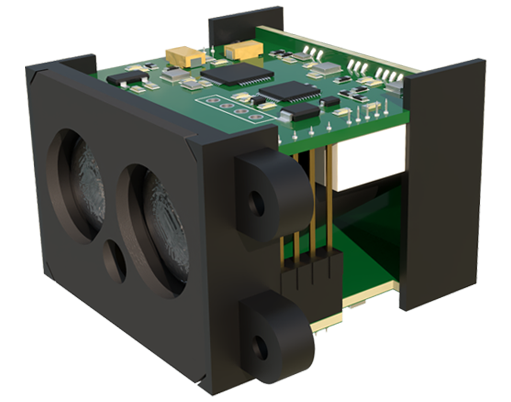
Second, environmental factors play a significant role. Excessive ambient light, particularly from other lasers or strong industrial lighting, can saturate the sensor's receiver. Extreme temperatures beyond the sensor's specified operating range can affect its electronic and optical components. Electrical noise from nearby high-power equipment, such as motors or welders, can interfere with signal integrity, while voltage fluctuations or incorrect power supply wiring can cause instability.
Third, sensor configuration and health must be considered. Incorrect parameter settings in the controller, such as an inappropriate response speed, filter setting, or output configuration, can lead to false alarms. Physical damage to the lens from impact or contamination by dirt, oil, or debris will directly impair performance. Furthermore, internal component degradation over time or from harsh conditions can lead to drift or failure.
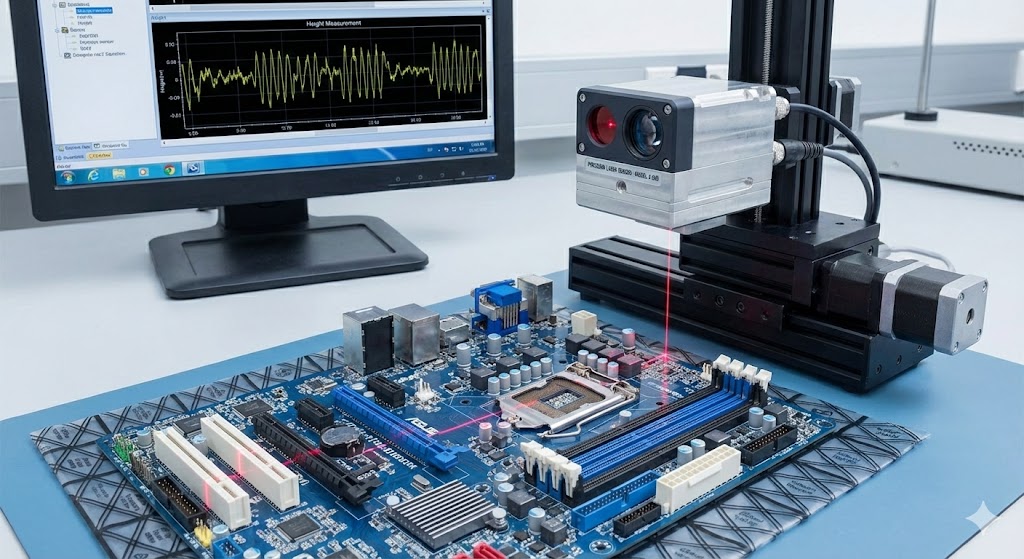
When an alarm is activated, a systematic troubleshooting approach is required. The initial step should always be to consult the sensor's manual to decode the specific alarm pattern (e.g., blinking LED sequences) or error code, as this provides direct insight into the problem. Visually inspect the sensor and its environment. Check for obvious physical damage, lens contamination, and ensure the sensor is securely mounted and aligned. Verify the target's position, surface condition, and stability within the specified parameters.
Next, assess the electrical and environmental setup. Use a multimeter to confirm stable power supply voltage. Inspect all cables and connectors for damage, looseness, or corrosion, paying special attention to grounding. Temporarily shield the sensor from strong ambient light or electrical noise sources to see if the alarm clears. If possible, perform a basic functional test with a standard, highly reflective target at a known distance in a controlled environment to isolate the issue.
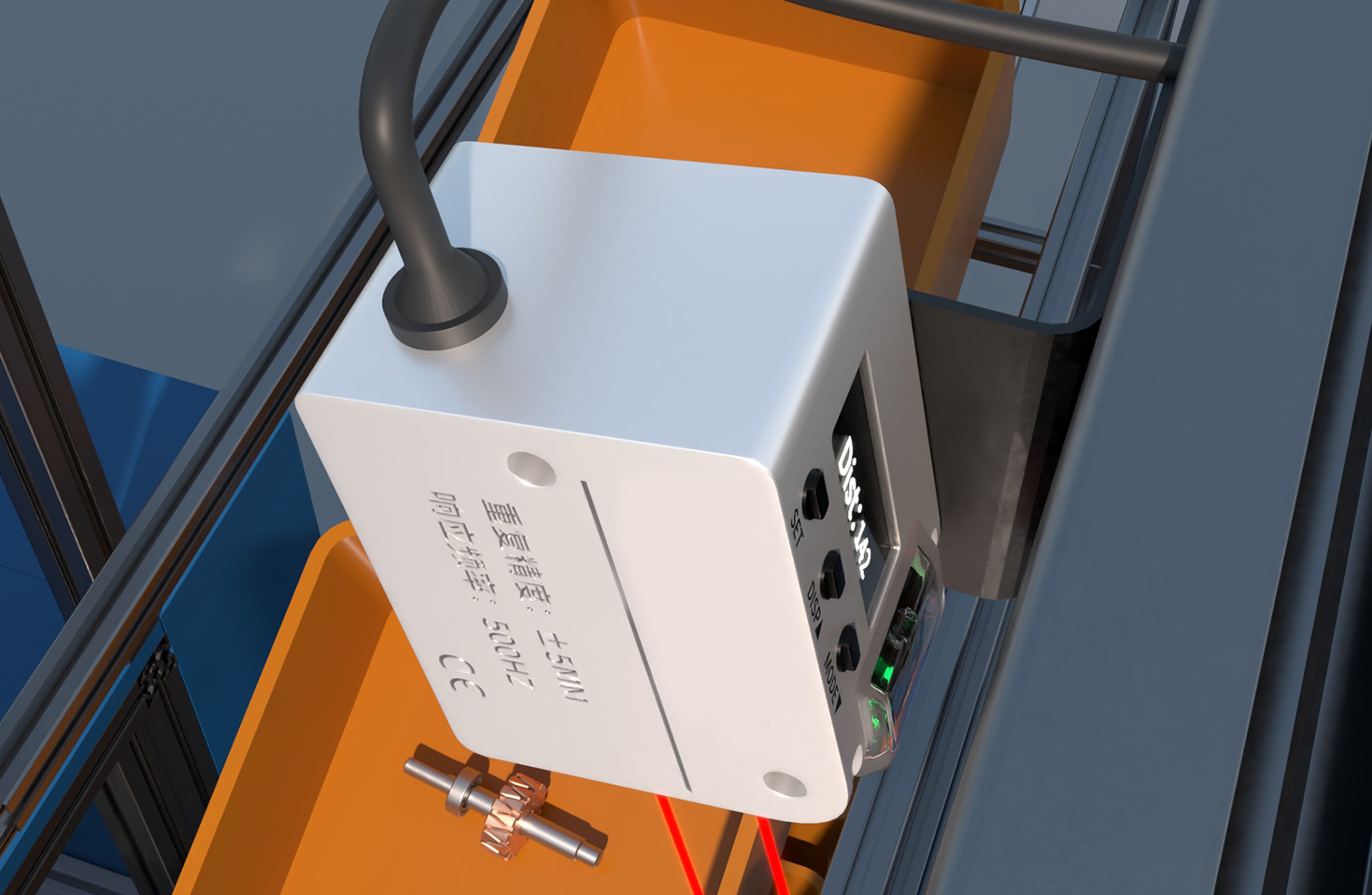
For configuration issues, resetting the sensor to its default parameters and re-teaching the measurement points can often resolve software-related glitches. Ensure the output mode (analog, digital, serial) matches the connected controller's expectations.
Prevention is always superior to reaction. Implementing best practices can drastically reduce alarm frequency. Establish a regular maintenance schedule that includes cleaning the lens with appropriate materials, checking mounting stability, and verifying calibration against a master standard. Design the installation to minimize environmental challenges: use protective housings, install light shrouds, ensure proper cable routing away from noise sources, and maintain stable temperature and humidity where possible. Operator training is also crucial; personnel should understand the sensor's limitations, correct setup procedures, and basic alarm response protocols.
In conclusion, a laser displacement sensor alarm is a call for diagnostic attention, not a sign of catastrophic failure. By methodically investigating target conditions, environmental factors, and sensor health, most issues can be resolved efficiently. Adopting a proactive maintenance and installation philosophy enhances sensor reliability, maximizes uptime, and protects the valuable data integrity required for precision manufacturing and automation processes. The key lies in treating the sensor as part of a holistic system where stability, cleanliness, and correct configuration are continuously maintained.