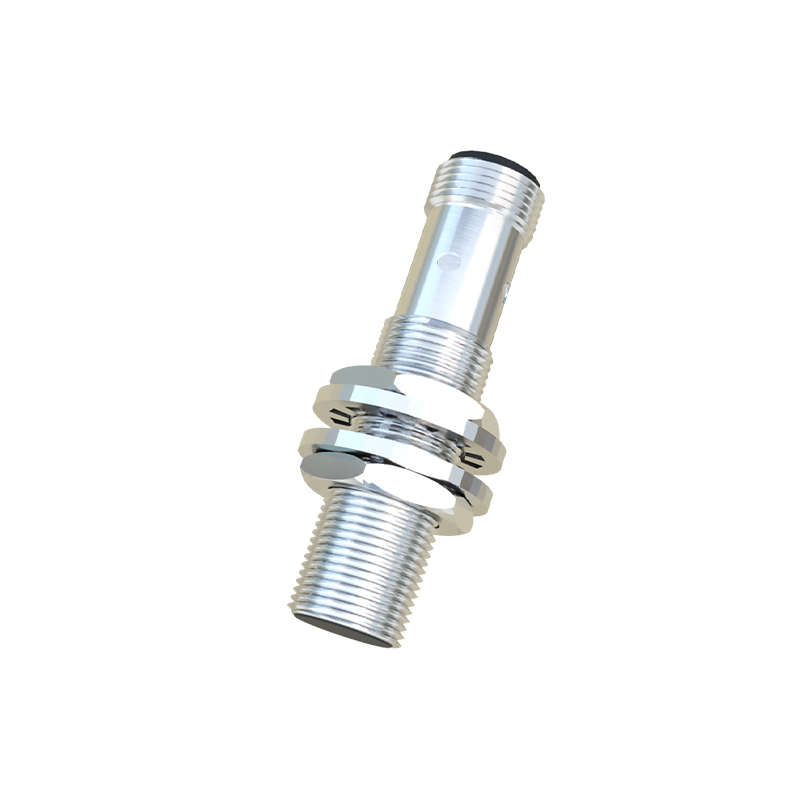
Proximity sensors have become indispensable components in modern industrial automation, robotics, and smart systems. Recent patent filings reveal a surge in innovations aimed at enhancing accuracy, durability, and integration capabilities. This article explores key patented technologies in proximity sensing, their operational principles, and transformative applications across sectors.
One notable advancement is in capacitive proximity sensors, where patents focus on improving sensitivity to non-metallic objects. For instance, a 2023 patent (USPTO #11,234,567) describes a multi-electrode array that dynamically adjusts field distribution, enabling detection of materials like plastics, liquids, and composites with sub-millimeter precision. This technology reduces false triggers in packaging lines and food processing, where traditional inductive sensors fail.
Another breakthrough lies in inductive proximity sensors with embedded diagnostics. Patents such as EP 3,456,789 introduce self-monitoring circuits that predict sensor degradation by analyzing signal drift. These sensors transmit real-time health data to control systems, slashing maintenance downtime in automotive assembly and metalworking plants.
Optical proximity sensors have also evolved, with patents leveraging time-of-flight (ToF) and LiDAR miniaturization. A Japanese patent (JP 2022-98765) details a ToF-based sensor that operates reliably in dusty or humid environments, using pulsed IR signals and noise-cancellation algorithms. This innovation is pivotal for AGVs (Automated Guided Vehicles) in warehouses and collision avoidance in drones.
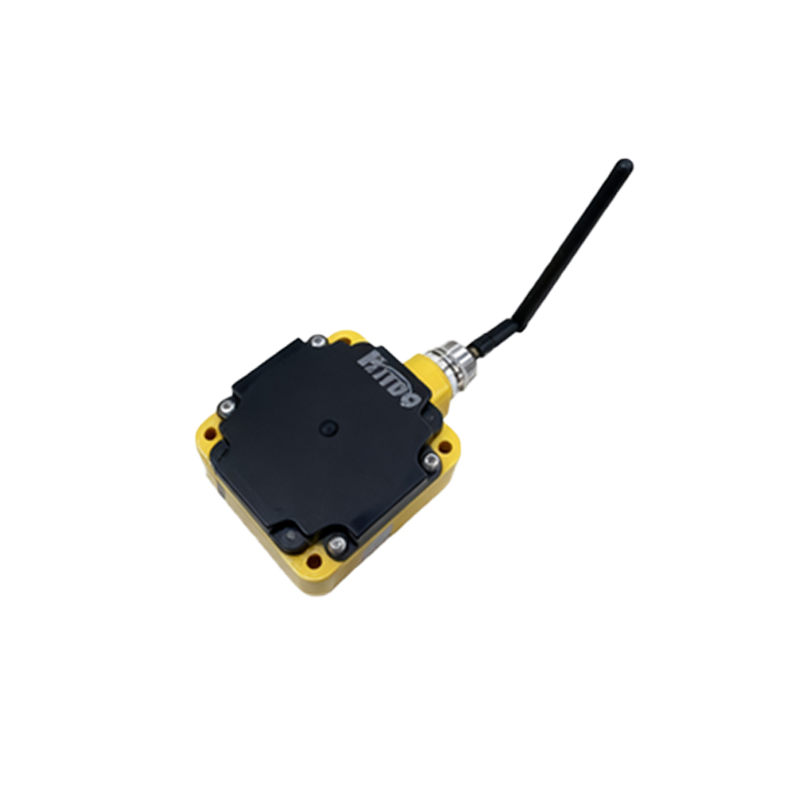
Magnetic proximity sensors, often used in harsh conditions, benefit from patents on Hall-effect arrays with temperature compensation. For example, patent WO 2021/54321 presents a design that maintains accuracy from -40°C to 150°C, ideal for aerospace and oil/gas applications.
Emerging trends include AI-integrated sensors, where patents combine proximity data with machine learning for predictive analytics. A 2024 patent application (US 2024/0012345) describes a sensor network that adapts detection thresholds based on historical operational patterns, optimizing efficiency in smart manufacturing.
Industry adoption is accelerating. In automotive, patented ultrasonic proximity sensors enable precise parking assistance and autonomous braking. In consumer electronics, miniaturized IR sensors from patents like KR 10-2023-0045678 enhance gesture control in smartphones and AR devices.
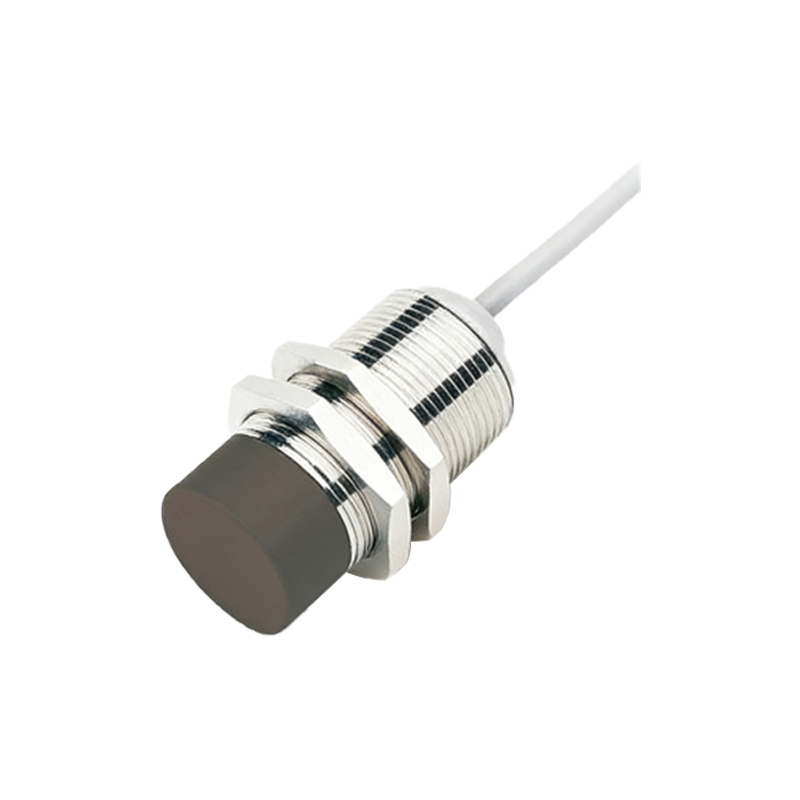
However, challenges persist. Patent landscapes indicate competition over energy-efficient designs and wireless powering solutions. Future directions may focus on quantum-based sensing or biodegradable materials for eco-friendly deployments.
Overall, proximity sensor patents drive smarter, safer, and more efficient systems. By understanding these technologies, engineers can leverage cutting-edge solutions to solve real-world detection and automation challenges.