In the realm of industrial automation and control systems, proximity sensors play a pivotal role in enabling non-contact detection of objects. Among the diverse range of sensors available, the B1 series of proximity sensors has established itself as a reliable and versatile solution for numerous applications. This article delves into the technical specifications, operational principles, and practical considerations for integrating the B1 proximity sensor into modern industrial environments.
The B1 proximity sensor is typically an inductive type sensor, designed to detect metallic objects without physical contact. It operates on the principle of electromagnetic induction. The sensor generates an oscillating electromagnetic field from its active face. When a metallic object enters this field, eddy currents are induced within the object, causing a change in the oscillation amplitude or frequency within the sensor's coil. This change is detected by the sensor's internal circuitry, which subsequently triggers a switching signal—either normally open (NO) or normally closed (NC)—to the connected control system, such as a programmable logic controller (PLC).
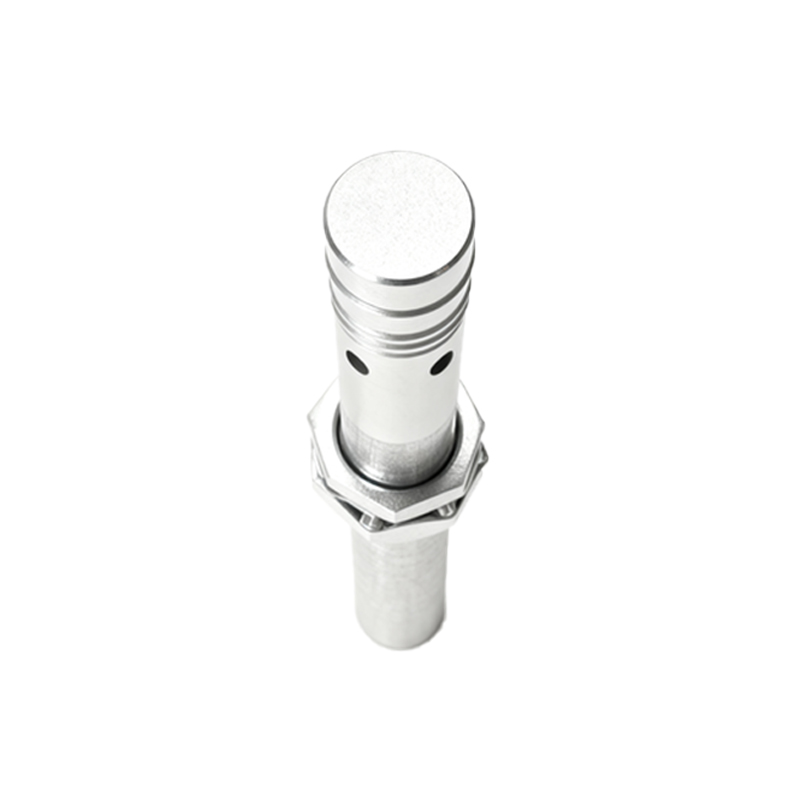
Key specifications define the performance envelope of the B1 sensor. The sensing distance, often denoted as Sn, is a critical parameter. For a standard B1 model, this typically ranges from 1mm to 15mm, depending on the specific variant and target material. It is crucial to note that the rated operating distance is calibrated for mild steel (Fe360). For other metals like stainless steel, aluminum, or copper, a correction factor must be applied, as the sensing distance can be reduced. The sensor housing is commonly constructed from nickel-plated brass or stainless steel (e.g., V2A/AISI 304), offering robust resistance to mechanical impacts and harsh industrial conditions, including coolants and oils. Most B1 sensors feature protection ratings of IP67 or IP68, ensuring reliable operation in dusty or wet environments.
Electrical characteristics are equally important. B1 sensors are available in various output configurations, including DC 3-wire (PNP or NPN transistor outputs), DC 2-wire, and sometimes AC/DC versions. The operating voltage range for DC models is typically 10-30V DC. The output current rating, often 200mA, determines the load it can drive directly. Many models incorporate protection against short-circuits, reverse polarity, and overload, enhancing system durability. An LED status indicator is a standard feature, providing visual confirmation of power supply and switching state, which is invaluable for troubleshooting.
Installation and application of the B1 sensor require careful planning. The sensor must be mounted securely, with attention paid to its flush-mounting or non-flush-mounting capability. Non-flush (shielded) models can be installed flush with metal surfaces without affecting their sensing range, while flush (unshielded) models require a clearance zone around the sensing face. Environmental factors such as ambient temperature, which usually spans from -25°C to +70°C, and the presence of strong electromagnetic fields from nearby welding equipment or motors must be considered to prevent false triggering or damage.
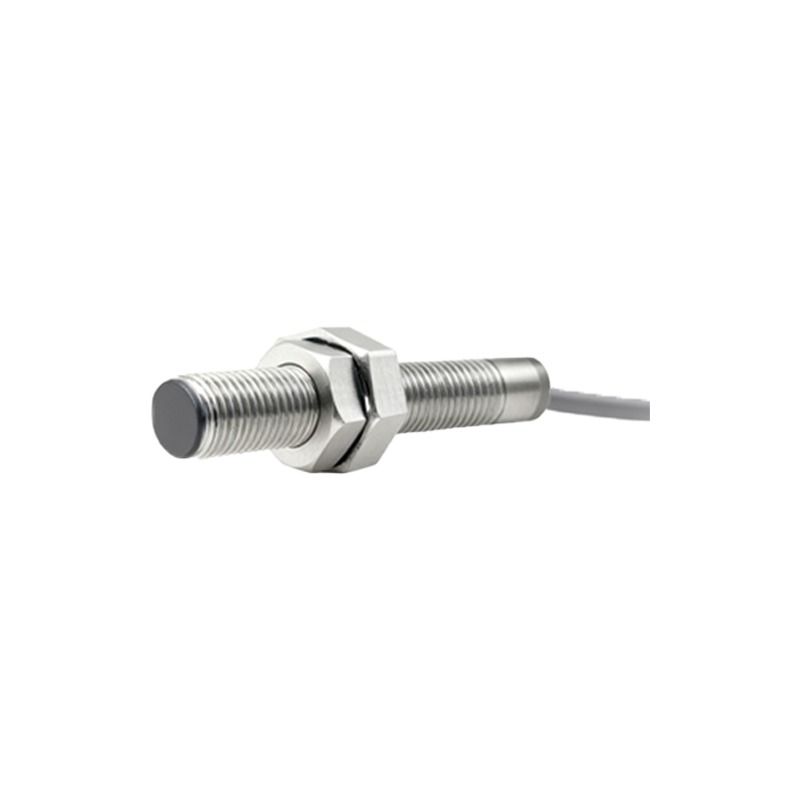
Typical applications for the B1 proximity sensor are extensive across manufacturing and processing industries. They are indispensable for position detection—verifying if a robotic gripper has picked up a part, if a cylinder has reached its end position, or if a metal workpiece is present on a conveyor. They are used for counting metallic objects, monitoring rotational speed by detecting gear teeth, and in safety interlocks on machine guards. Their non-contact nature eliminates mechanical wear, ensuring long service life and minimal maintenance.
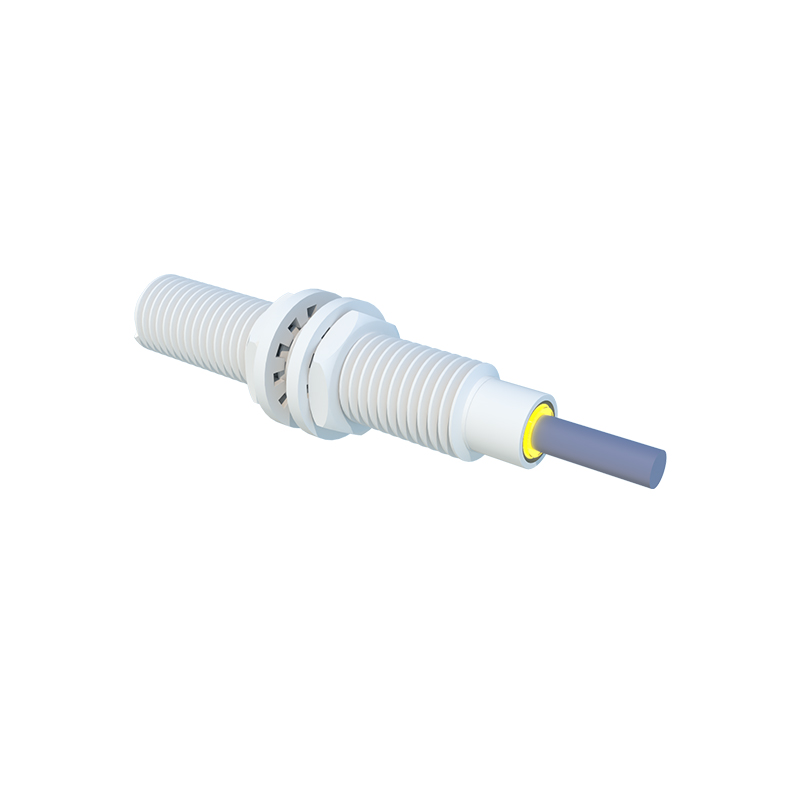
When selecting a B1 sensor for a specific task, engineers must evaluate the target material, required sensing distance, environmental conditions, electrical interface compatibility, and housing size (e.g., M8, M12, M18, or M30 threaded barrels). Consulting the manufacturer's datasheet is paramount for confirming all technical details. Regular maintenance, though minimal, involves keeping the sensing face clean from debris and metallic swarf that could interfere with detection.
In conclusion, the B1 proximity sensor represents a fundamental component in industrial automation. Its robustness, reliability, and adaptability make it a go-to choice for engineers seeking to implement precise, non-contact object detection. By understanding its operating principles and application guidelines, professionals can effectively leverage this technology to enhance system efficiency, safety, and productivity on the factory floor.