Proximity sensors have become indispensable in the realm of industrial automation, offering non-contact detection of objects with high precision and reliability. These devices are engineered to detect the presence or absence of an object within a specified range without any physical contact, thereby minimizing wear and tear and ensuring longevity in demanding environments. The core principle behind their operation varies based on the type, including inductive, capacitive, ultrasonic, and magnetic sensors, each tailored for specific applications and materials.
Inductive proximity sensors are widely utilized in metal detection scenarios. They generate an electromagnetic field and react to changes caused by metallic objects entering this field. This makes them ideal for use in manufacturing lines, such as in automotive assembly, where they monitor the position of metal components, count parts, or control robotic arms. Their robustness against dust, oil, and other contaminants ensures consistent performance in harsh industrial settings.
Capacitive proximity sensors, on the other hand, can detect both metallic and non-metallic materials, including liquids, plastics, and wood. By measuring changes in capacitance, they are effective in level sensing applications, such as monitoring fluid levels in tanks or detecting packaging materials in food processing industries. Their versatility allows for integration into diverse systems, enhancing automation efficiency.
Ultrasonic sensors employ sound waves to detect objects, making them suitable for distance measurement and presence detection in environments where other sensors might fail, such as in transparent or irregularly shaped object detection. They are commonly used in material handling, parking assistance systems, and conveyor belt monitoring. Magnetic proximity sensors, often used in conjunction with magnets, are preferred for safety applications like door position sensing in elevators or machinery guards, providing reliable switching in compact spaces.
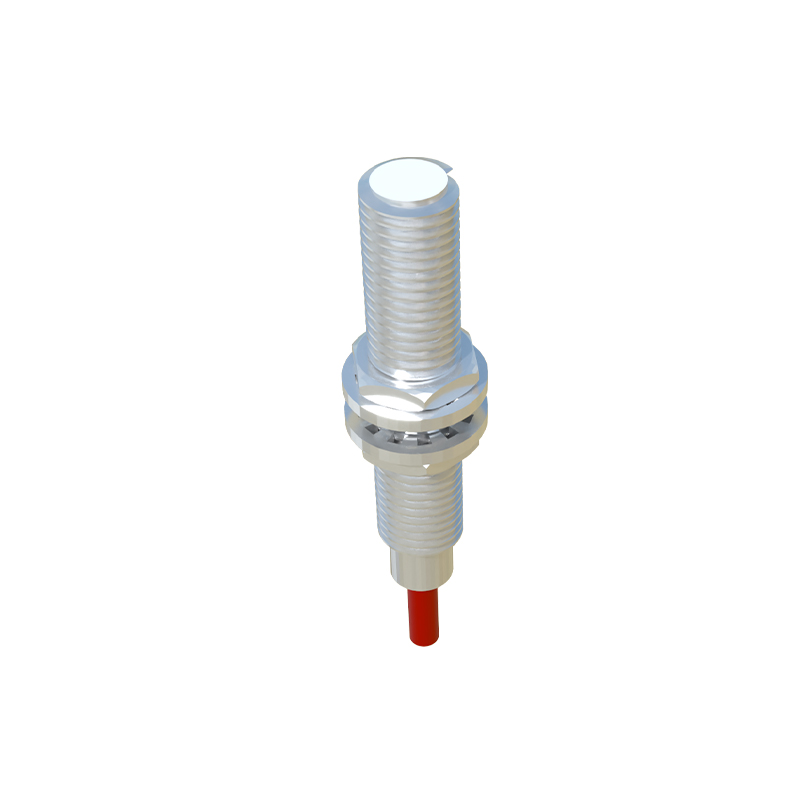
The advantages of proximity sensors extend beyond mere detection. They contribute significantly to improving operational safety by enabling emergency stop functions and preventing collisions in automated guided vehicles (AGVs). In quality control, sensors ensure precise positioning, reducing errors and enhancing product consistency. Moreover, their fast response times and low maintenance requirements lead to reduced downtime and increased productivity, which are critical factors in competitive industrial landscapes.
Integration with Industry 4.0 and the Internet of Things (IoT) has further expanded the capabilities of proximity sensors. By connecting to networked systems, they facilitate real-time data collection and analysis, allowing for predictive maintenance and optimized process control. This connectivity supports smart manufacturing initiatives, where sensors act as key data points for autonomous decision-making and resource management.
In summary, proximity sensors are vital components that drive efficiency, safety, and innovation across various sectors, from automotive and aerospace to packaging and pharmaceuticals. Their ability to operate without contact, coupled with adaptability to different materials and conditions, makes them a cornerstone of modern industrial automation. As technology advances, these sensors will continue to evolve, offering even greater precision and integration possibilities for future automated systems.