In the realm of industrial automation, proximity sensors stand as critical components for enabling precise, non-contact detection and measurement of objects. These devices, which include inductive, capacitive, ultrasonic, and photoelectric types, operate by emitting a field or signal and detecting changes caused by nearby targets. The accuracy of proximity sensors is paramount in applications ranging from assembly line positioning to robotic guidance, where even minor deviations can lead to significant operational inefficiencies or product defects.
Achieving high precision with proximity sensors involves several key factors. First, sensor selection must align with the target material and environmental conditions. Inductive sensors, for instance, excel in detecting metallic objects but may falter with non-metallic materials, whereas capacitive sensors can handle a broader range of substances, including liquids and plastics. The sensing distance, typically specified by manufacturers, must be carefully calibrated to avoid false triggers or missed detections. For example, in a packaging machine, an ultrasonic proximity sensor might be tuned to detect cardboard boxes within a 50mm range, with a tolerance of ±1mm to ensure consistent sealing operations.
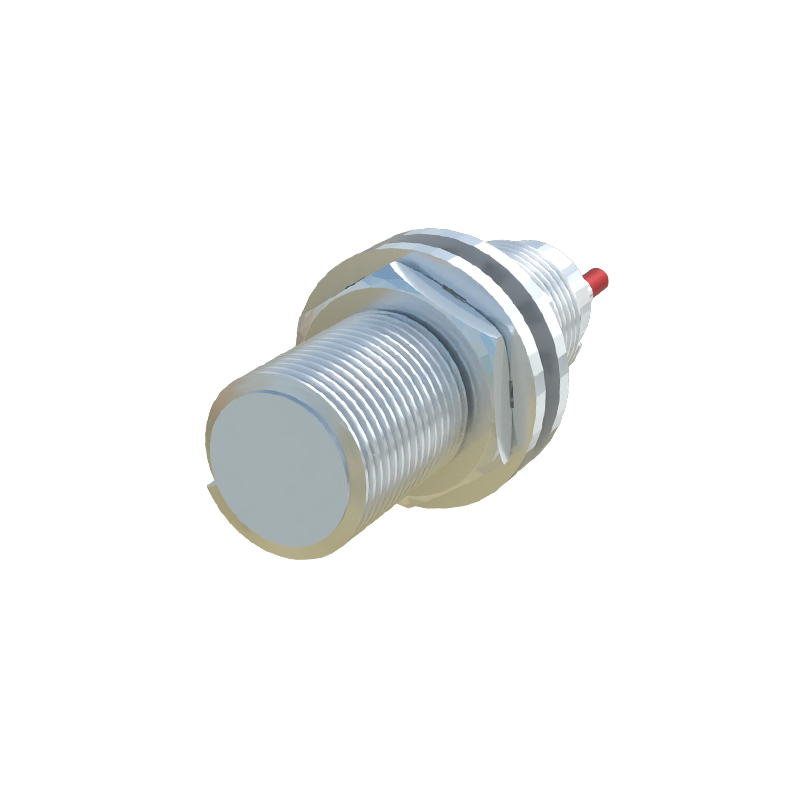
Environmental influences such as temperature fluctuations, humidity, and electromagnetic interference can also impact measurement accuracy. Industrial settings often employ shielded sensors or implement compensation algorithms to mitigate these effects. In automotive manufacturing, where proximity sensors monitor the placement of engine components, temperature-resistant models are used to maintain reliability in high-heat zones. Additionally, regular maintenance and calibration are essential; dust accumulation or mechanical wear can degrade performance over time, leading to drift in measurements.
Advanced techniques like analog output sensing and multi-point calibration further enhance precision. Analog sensors provide continuous distance data rather than simple on/off signals, allowing for finer control in applications like conveyor belt speed regulation or thickness monitoring. For instance, in steel production, analog inductive sensors measure the exact position of rolling sheets, enabling real-time adjustments to maintain uniform thickness. Data fusion, where inputs from multiple sensors are combined, can also improve reliability—a common approach in automated guided vehicles (AGVs) that use arrays of photoelectric sensors for obstacle avoidance and navigation.
The integration of proximity sensors with IoT and Industry 4.0 systems has opened new avenues for precision measurement. By connecting sensors to networked platforms, operators can collect real-time data, perform predictive analytics, and automate calibration processes. In smart warehouses, photoelectric proximity sensors track inventory movement with millimeter-level accuracy, feeding data into central systems to optimize storage layouts and retrieval times. This connectivity not only boosts measurement consistency but also reduces downtime through proactive maintenance alerts.
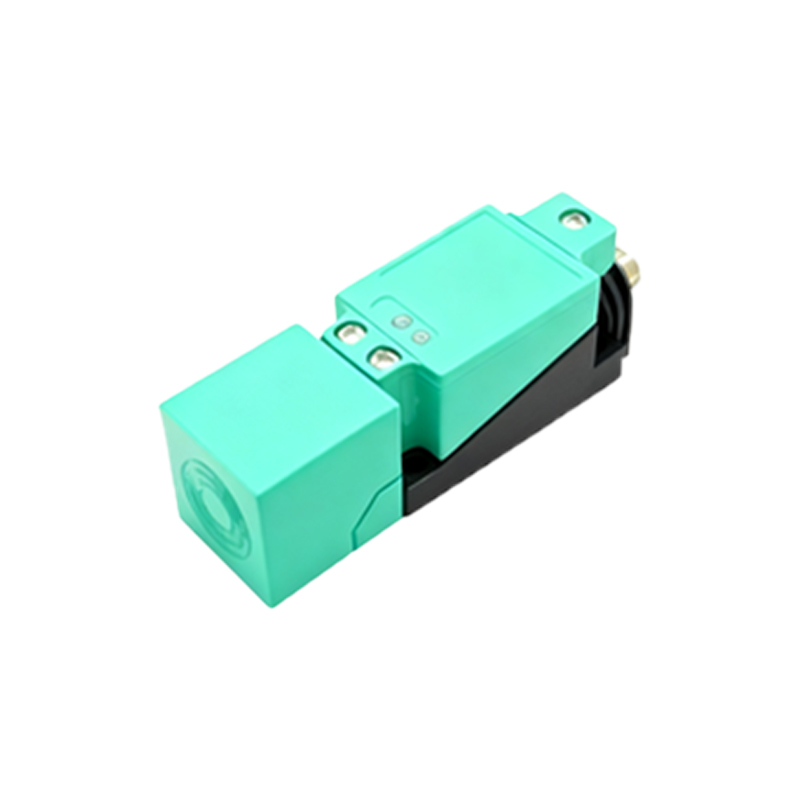
Despite technological advancements, challenges persist. Factors like target surface reflectivity, color, or orientation can affect photoelectric sensors, while inductive sensors may struggle with heterogeneous metal alloys. To address this, engineers often conduct thorough testing under simulated operating conditions, adjusting parameters like frequency or sensitivity thresholds. In food processing, for example, capacitive sensors are fine-tuned to ignore background noise from conveyor vibrations while detecting plastic containers filled with varying product levels.
Ultimately, the precision of proximity sensors hinges on a holistic approach—combining appropriate hardware selection, environmental adaptations, and smart data utilization. As industries push toward higher automation standards, the demand for sub-millimeter accuracy and robust performance continues to drive innovation in sensor technology. From precision machining to pharmaceutical packaging, these devices form the backbone of efficient, error-free operations, underscoring their vital role in modern manufacturing ecosystems. By adhering to best practices in installation and upkeep, businesses can leverage proximity sensors to achieve reliable, long-term measurement solutions that enhance productivity and quality control.