In the rapidly evolving landscape of industrial automation and precision measurement, laser sensors have emerged as indispensable tools across a multitude of sectors. Their unparalleled accuracy, speed, and non-contact operation make them the preferred choice for tasks where reliability and precision are paramount. This guide delves into the primary applications and optimal placement of laser sensors in various industries.
The manufacturing sector is arguably the most significant domain for laser sensor deployment. On production lines, they are extensively used for precise positioning and alignment of components. For instance, in automotive assembly, laser sensors ensure that robotic arms place parts like windshields or body panels with micron-level accuracy. They are also crucial for dimensional gauging, measuring the thickness, width, or diameter of products in real-time without physical contact, preventing wear and tear and maintaining product consistency. In electronics manufacturing, laser sensors perform critical tasks such as wafer inspection, solder paste inspection, and component placement verification on printed circuit boards (PCBs), where even a minute deviation can lead to failure.
Quality control and inspection represent another major application area. Laser profilometers and displacement sensors scan surfaces to detect defects like scratches, dents, or warping that are invisible to the human eye. In the pharmaceutical industry, they verify the fill level in vials and blister packs, ensuring compliance with stringent health and safety regulations. The food and beverage industry utilizes them to check packaging integrity, label placement, and even the color consistency of products.
In logistics and material handling, laser sensors streamline operations. They are mounted on automated guided vehicles (AGVs) and autonomous mobile robots (AMRs) for navigation and obstacle detection, creating a safe and efficient working environment. Within warehouses, laser scanners read barcodes and QR codes on packages from a distance and at high speeds, far surpassing the capabilities of traditional optical scanners. They also assist in palletizing and depalletizing by precisely identifying the position and height of boxes.
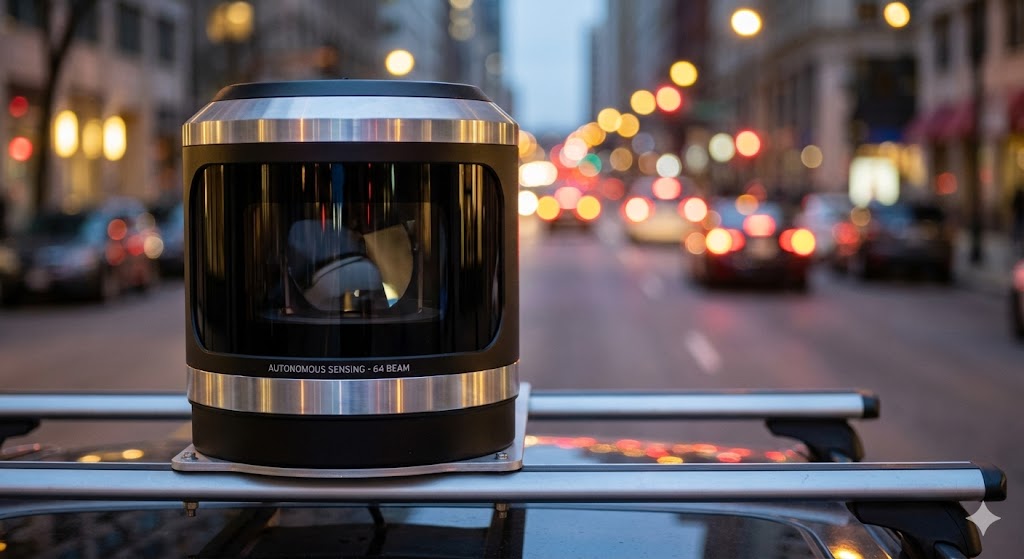
The field of robotics heavily relies on laser sensors for guidance and environmental perception. In collaborative robotics (cobots), laser scanners create safety fields around the robot, immediately halting operation if a human enters a predefined zone. For more complex tasks like bin picking, 3D laser vision systems identify and locate randomly oriented parts, guiding the robotic gripper to the exact pick-up point.
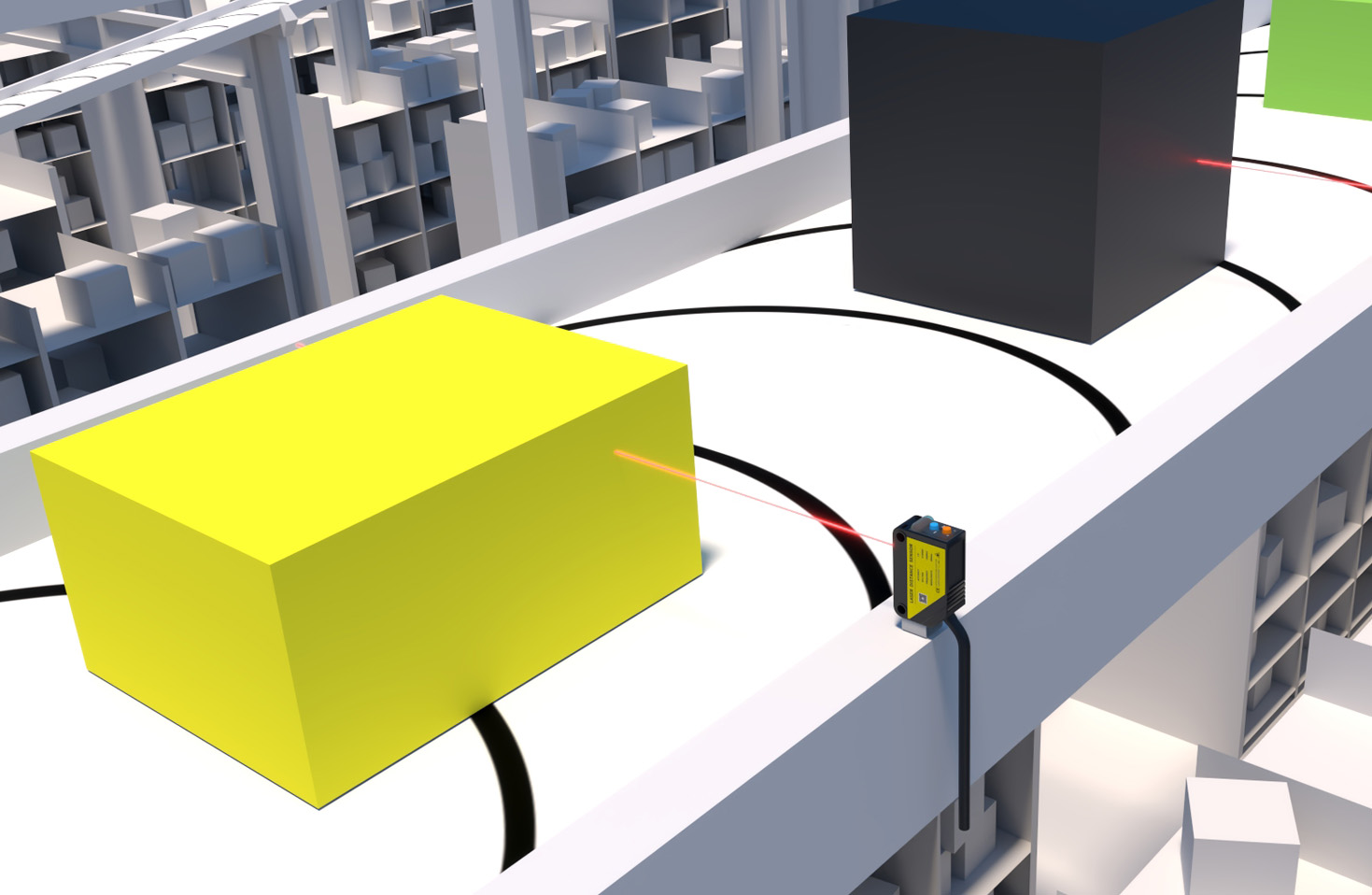
Research and development laboratories use laser sensors for high-precision experimental setups. Applications include vibration analysis, micro-displacement measurement in material science experiments, and alignment in optical systems. Furthermore, in the aerospace industry, laser sensors are employed for aircraft component inspection, wing deflection testing, and even in runway monitoring systems.
When determining *where* to install a laser sensor, several factors must be considered. The sensing environment is critical; for dusty or humid conditions, sensors with higher ingress protection (IP) ratings are necessary. The required measurement range, spot size, and response speed dictate the choice of sensor model. Proper mounting is essential to minimize vibration interference and ensure a stable measurement path. Regular calibration against known standards is also vital to maintain long-term accuracy.
In conclusion, the question of "where to use laser sensors" finds its answer in virtually any setting demanding high precision, reliability, and non-contact measurement. From the factory floor to the research lab, from packaging lines to robotic cells, laser sensors provide the critical data that drives efficiency, ensures quality, and enables advanced automation. As technology advances, their applications will only continue to expand, solidifying their role as a cornerstone of modern industrial innovation.