Inductive proximity sensors are non-contact electronic devices that detect the presence of metallic objects without physical contact. Operating on the principle of electromagnetic induction, these sensors generate an oscillating electromagnetic field from a coil. When a metallic target enters this field, eddy currents are induced in the target, causing a change in the oscillation amplitude. This change is detected by the sensor's circuitry, which then triggers an output signal. This fundamental working principle makes them exceptionally reliable, durable, and suitable for harsh industrial environments where dust, oil, and vibration are prevalent.
One of the most critical applications of inductive proximity sensors is in automated manufacturing and assembly lines. They are indispensable for precise object detection, positioning, and counting. For instance, on a conveyor system, these sensors can detect the passage of metal components, ensuring proper spacing and triggering subsequent robotic actions like picking, placing, or welding. Their high switching frequency allows for the detection of very fast-moving parts, which is crucial in high-speed packaging and bottling plants. In metal machining centers such as CNC lathes or milling machines, inductive sensors are used for tool presence verification and workpiece positioning, preventing costly collisions and ensuring machining accuracy.
In the realm of safety and machine guarding, inductive proximity sensors play a vital role. They are integrated into safety interlock systems on machine doors or movable guards. When a guard is opened, the sensor detects the removal of a metal latch or flag, immediately sending a signal to halt the machine, thereby protecting personnel from hazardous motion. This application is paramount in compliance with international safety standards like ISO 13849.
Another significant application is in the automotive industry, throughout both the manufacturing process and within the vehicles themselves. On production lines, they monitor the position of engine blocks, chassis components, and ensure correct assembly. Within vehicles, they are used in systems like anti-lock braking systems (ABS) to detect the speed of the wheel bearing, which is typically a metallic tone ring. This provides critical data for the vehicle's control units.
Material handling and logistics also heavily rely on these sensors. In automated storage and retrieval systems (AS/RS), inductive sensors detect the position of shuttle carts, cranes, and confirm the presence of metal pallets or totes. They provide end-of-travel detection for actuators and cylinders, ensuring smooth and controlled linear motion. In heavy industries like steel mills or mining, ruggedized versions of these sensors monitor the position of large metal slabs, crane hooks, and conveyor belt systems, enduring extreme temperatures and mechanical shocks.
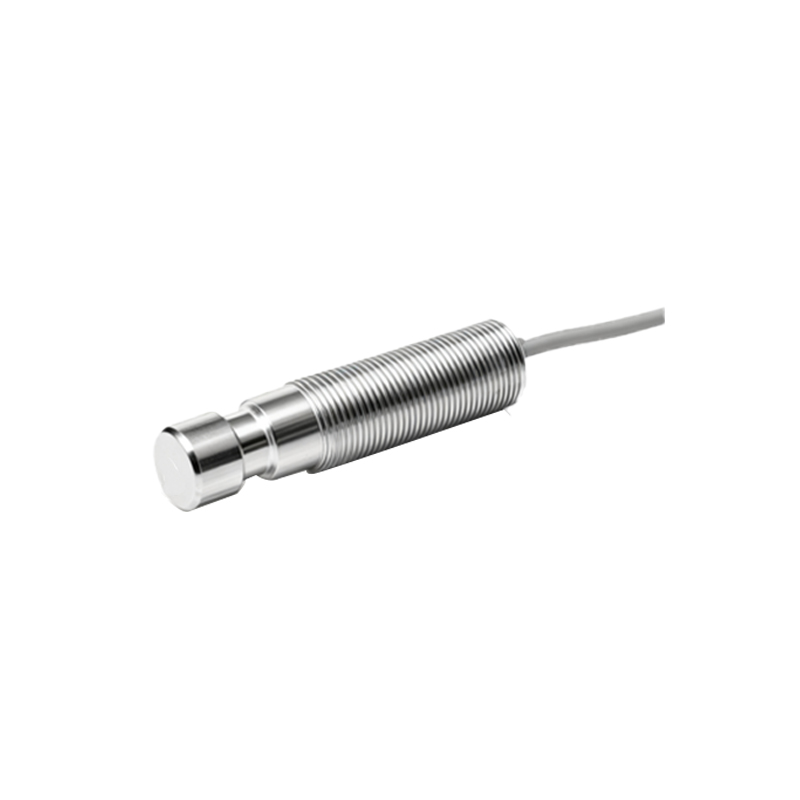
The advantages of using inductive proximity sensors are numerous. Their solid-state design with no moving parts leads to virtually infinite mechanical life and exceptional reliability. They are immune to ambient light, dust, and most non-metallic contaminants. Modern variants offer diverse housing materials (e.g., stainless steel, PBT plastic), shapes (cylindrical, rectangular, ring-shaped), and output types (PNP/NPN, NO/NC, analog, IO-Link). The integration of IO-Link communication transforms a simple sensor into a smart device, enabling parameter setting, condition monitoring, and diagnostic data exchange, which is a cornerstone of Industry 4.0 predictive maintenance strategies.
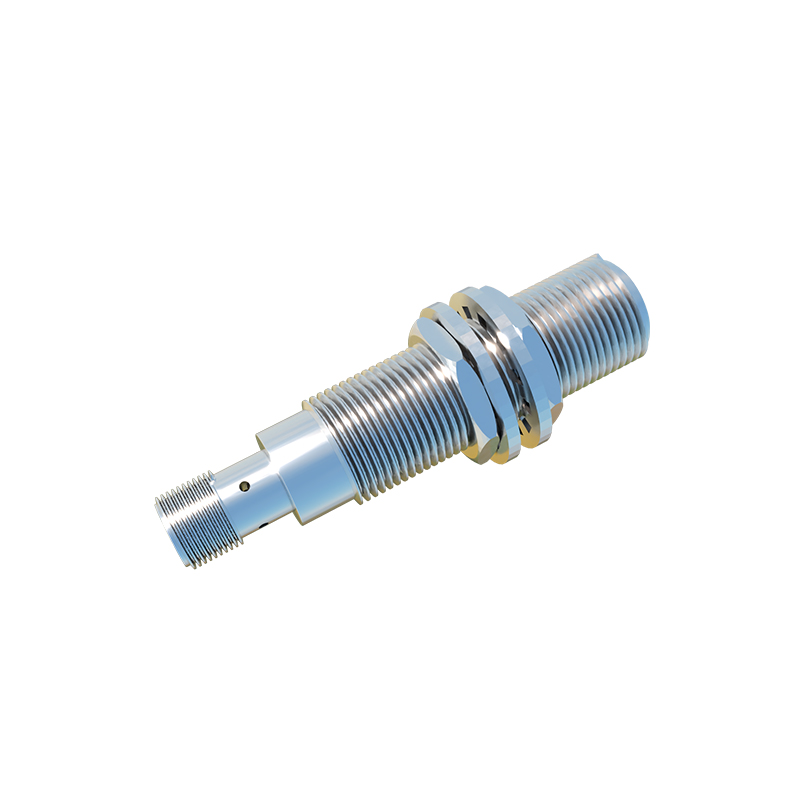
When selecting an inductive proximity sensor, engineers must consider several parameters: the sensing distance (which is typically shorter than other sensor types and is standardized as the "rated operating distance"), the target material (ferrous metals like steel are detected at the full range, while non-ferrous metals like aluminum or copper have a reduced sensing distance), the target size and shape, environmental conditions (temperature, pressure, chemical exposure), and the required electrical output. Proper shielding ("flush-mounted" sensors) allows installation in metal without false triggering, while unshielded ("non-flush") versions offer a longer sensing range.
In conclusion, inductive proximity sensors are foundational components in industrial automation. Their robustness, precision, and versatility make them the go-to solution for detecting metallic objects across a vast spectrum of industries—from delicate electronics assembly to heavy-duty primary metal production. As automation evolves towards greater intelligence and connectivity, these sensors continue to adapt, solidifying their role as essential enablers of efficiency, safety, and productivity in the modern industrial landscape.